

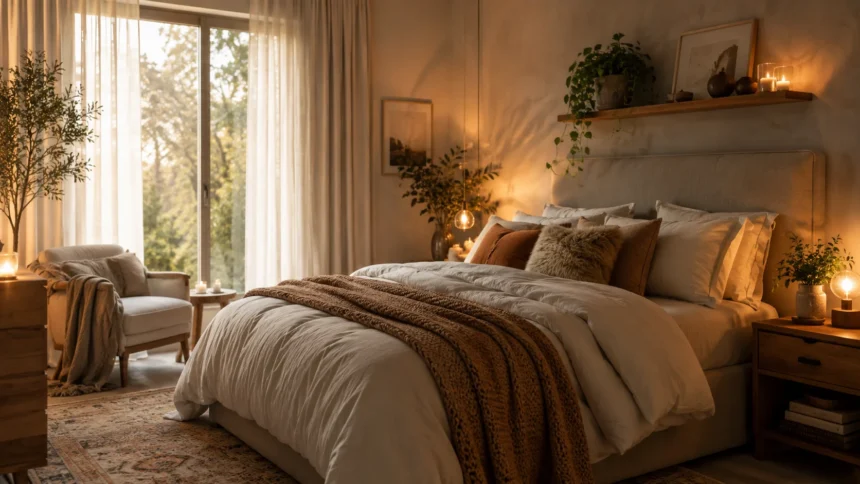
Aesthetic Bedroom Ideas for a Cozy Atmosphere
Your bedroom should be more than a place where you sleep. It can be a comfortable retreat where you relax after a busy day, recharge your energy, and surround yourself with things that make you feel at ease. The best aesthetic bedroom ideas combine visual beauty with comfort rather than focusing only on what looks attractive in photographs.
Creating a cozy bedroom atmosphere does not necessarily require expensive furniture or a complete room renovation. Small changes such as adding soft bedding, introducing warm lighting, rearranging furniture, or choosing a calming color palette can completely transform how the room feels. Even simple aesthetic room decor can make a bedroom appear more intentional and inviting.
Modern bedroom aesthetics have also become increasingly personal. Instead of following one rigid decorating style, people are combining minimalist bedroom decor, natural materials, vintage accessories, soft colors, cozy textures, and meaningful objects. This makes the room feel visually balanced while still reflecting the personality of the person who lives there.
Whether you have a spacious master bedroom, a compact apartment room, or a small bedroom with limited storage, the same principles can help. Focus on warmth, texture, comfortable lighting, useful furniture, and personal details. The following cozy bedroom ideas can help you create an aesthetic space that feels peaceful, stylish, comfortable, and uniquely yours.
Start With a Calming Bedroom Color Palette
Color is one of the strongest elements influencing the mood of a bedroom. Soft neutral colors such as warm white, beige, cream, taupe, light gray, and muted brown can create a calm foundation. These shades reflect light gently and make it easier to introduce different textures, bedding colors, furniture finishes, and bedroom accessories without making the room feel visually crowded.
You do not have to limit yourself to neutral bedroom colors, however. Soft sage green, dusty blue, blush pink, muted terracotta, lavender, and earthy olive can also create a relaxing atmosphere. Choosing slightly muted colors instead of extremely bright tones usually makes the bedroom feel softer, especially when combined with warm lighting and natural wood furniture.
A useful approach is to choose one dominant color and two or three supporting shades. For example, you might combine cream walls with warm brown furniture, beige bedding, and muted green accents. Repeating these colors throughout your aesthetic bedroom decor creates visual consistency while preventing the room from looking overly coordinated or artificial.
If repainting your bedroom is not practical, introduce your preferred color palette through smaller elements. Curtains, throw pillows, rugs, blankets, artwork, lampshades, and bedding can significantly change the visual mood of the room. This approach is particularly useful for renters who want aesthetic bedroom ideas without making permanent changes to walls or fixtures.
Layer Your Bedding for an Instantly Cozy Look
The bed naturally becomes the visual centerpiece of most bedrooms, so bedding plays an important role in creating a cozy aesthetic. Instead of using only a fitted sheet, pillows, and one comforter, consider building several soft layers. A duvet, lightweight quilt, textured throw blanket, and decorative cushions can immediately make the bed appear warmer and more comfortable.
Start with breathable bedding that feels good against your skin. Cotton, linen, bamboo-based fabrics, and other comfortable materials can work well depending on your climate and personal preference. Choosing bedding that is pleasant to actually sleep in is more important than selecting something simply because it matches a particular bedroom aesthetic.
Next, introduce subtle contrast through textures rather than using too many competing patterns. For example, smooth cotton sheets can be paired with a linen duvet, knitted blanket, or lightly textured cushions. Layered bedding adds visual depth while helping neutral bedroom ideas feel richer and less plain, especially when most of the room uses similar colors.
Avoid filling the bed with so many decorative pillows that making the bed becomes frustrating every morning. Two or three accent cushions combined with your regular sleeping pillows are often enough. The goal of a cozy aesthetic bedroom should be creating genuine comfort, not turning the bed into a display that becomes inconvenient to use.
Use Warm Lighting Instead of One Harsh Ceiling Light
Lighting can completely change how a bedroom feels once the sun goes down. A bright overhead fixture may be useful when cleaning or organizing, but relying on it exclusively can make the room feel flat and clinical. Using several smaller light sources creates softer shadows and helps establish the warm, relaxed atmosphere associated with cozy bedrooms.
Bedside lamps are one of the easiest additions. Place a lamp on each nightstand when space allows, or consider wall-mounted sconces when surfaces are limited. Table lamps with fabric, paper, frosted glass, or similar shades diffuse the light and can create a gentler glow than exposed bright bulbs.
String lights and subtle decorative lighting can also work when used thoughtfully. Instead of surrounding every wall with lights, consider placing them around a headboard, shelf, mirror, or reading corner. Warm lighting works particularly well with aesthetic room decor because it highlights textures, wood finishes, artwork, fabrics, and small decorative details without overwhelming them.
Think about practical activities as well as atmosphere when planning bedroom lighting. A reading lamp near the bed, soft ambient light near a dresser, and brighter task lighting around a vanity can each serve different purposes. Layering several types of bedroom lighting gives you more control over the mood and makes the room functional throughout the day.
Introduce Soft Textures Throughout the Room
Texture is one of the easiest ways to make an aesthetic bedroom feel cozy without adding excessive decoration. Rooms containing only smooth walls, flat furniture, and simple bedding can sometimes feel unfinished. Introducing materials with different surfaces creates visual depth while adding the sense of softness people often associate with comfortable bedroom interiors.
Start with textiles because they are easy to change. A plush rug beside the bed, linen curtains, knitted throw, velvet cushion, boucle chair, or woven blanket can introduce texture immediately. You do not need every material in one room; two or three complementary textures are usually enough to make the bedroom feel layered.
Natural materials can add another dimension. Wood, rattan, wicker, jute, cotton, linen, and ceramic accessories often fit beautifully into cozy bedroom decor. Natural finishes also work with several popular bedroom styles, including minimalist, Scandinavian, boho, rustic, modern organic, farmhouse, and neutral contemporary interiors.
The key is balancing texture with visual simplicity. If your bedding contains bold patterns, keep the rug or curtains more understated. If the bedroom has a mostly monochromatic color scheme, you can experiment more freely with knitted, woven, ribbed, tufted, or boucle surfaces. Texture should create warmth without making the room appear cluttered.
Make Bedroom Wall Decor Feel Personal
Blank walls can make even a beautifully furnished bedroom feel incomplete, but wall decor does not need to cover every available surface. A few thoughtfully selected pieces can create a stronger aesthetic than dozens of unrelated decorations. Consider what you genuinely enjoy looking at rather than choosing artwork only because it currently appears in interior design trends.
Framed prints, photography, paintings, woven hangings, mirrors, floating shelves, or personal photographs can all work as bedroom wall decor. A gallery wall can also become an attractive focal point when the frames share similar colors, materials, or spacing. Keeping some visual connection between pieces prevents the arrangement from looking random.
The area above the headboard is often an ideal location for a statement piece. One oversized artwork, a pair of coordinated prints, or a decorative textile can visually anchor the bed. If you already have an interesting headboard, however, leaving additional empty wall space can prevent the area from becoming too busy.
Remember that negative space is part of good bedroom design. Every wall does not require decoration. Leaving certain areas uncluttered gives the eye somewhere to rest and makes your chosen artwork more noticeable. This balance is particularly important when creating minimalist aesthetic bedroom ideas where simplicity contributes directly to the calming atmosphere.
Choose Furniture That Supports Comfort and Function
A beautiful bedroom becomes less enjoyable when the furniture makes everyday life difficult. Before choosing pieces based entirely on appearance, consider how you move through the room. The bed, dresser, nightstand, wardrobe, desk, and seating should create comfortable pathways rather than making the bedroom feel cramped or complicated.
Start with the largest piece: the bed. Positioning it against the most suitable wall often creates a natural focal point and leaves enough space for movement. When possible, maintain accessible space around both sides of the bed. In smaller bedrooms, placing the bed strategically can free up valuable floor area for storage or other necessary furniture.
Nightstands contribute both function and symmetry, but they do not have to match perfectly. A small wooden stool, floating shelf, compact cabinet, or narrow side table can work when space is limited. Prioritize enough surface area for items you regularly use, such as a lamp, book, phone, glasses, or water.
Avoid adding furniture simply to fill empty areas. A cozy bedroom does not require a bench, armchair, desk, and multiple tables if you will rarely use them. Selecting fewer pieces that genuinely support your routine keeps the room functional and allows soft furnishings, lighting, artwork, and decorative details to stand out more clearly.
Bring Natural Elements Into Your Bedroom
Nature-inspired decorating can soften a bedroom and help the interior feel more relaxed. Indoor plants are an obvious option, but natural bedroom decor can include much more than greenery. Wood furniture, stone accessories, woven baskets, dried branches, botanical prints, linen fabrics, and earthy colors can all contribute to an organic atmosphere.
If you enjoy houseplants, select varieties that suit the actual conditions in your room. Consider how much daylight enters the space and whether you realistically want to maintain several plants. One healthy plant on a dresser or beside a window can look more attractive than numerous struggling plants chosen only for decoration.
Wood tones are particularly effective for creating warmth. A wooden nightstand, headboard, picture frame, bench, or shelving unit can add subtle natural character to a neutral bedroom. Light wood creates a softer Scandinavian bedroom aesthetic, while medium or darker wood can introduce depth and make the room feel more grounded.
You can also draw inspiration from nature through color. Sage green, warm sand, terracotta, soft brown, clay, stone gray, and muted blue work beautifully in cozy bedroom color schemes. Combining these shades with warm neutrals creates an aesthetic that feels calm and timeless rather than overly dependent on short-lived decorating trends.
Create a Cozy Reading or Relaxation Corner
If your bedroom has an unused corner, transforming it into a small relaxation area can make the space feel more complete. You do not need a large room to create one. A comfortable chair, small side table, lamp, cushion, and throw can establish a cozy reading nook without requiring significant floor space.
Choose seating based on how you actually relax. Some people prefer a traditional armchair, while others may enjoy a floor cushion, compact lounge chair, upholstered bench, or window seat. Adding a soft blanket nearby makes the area visually warmer and gives the corner a practical purpose during cooler evenings.
Good lighting is essential for a reading area. Position the chair close to natural daylight when possible and add a floor or table lamp for evening use. Keeping a small shelf or basket nearby for books can make the corner functional while also contributing to the overall aesthetic bedroom design.
If your room is too small for additional seating, create the same feeling around the bed. A supportive pillow arrangement, reading light, bedside table, and small basket for books can turn one side of the bed into a comfortable relaxation zone. Cozy bedroom ideas should adapt to your available space rather than requiring unnecessary furniture.
Make a Small Bedroom Feel Cozy Without Clutter
Small bedrooms can feel especially cozy when they are decorated carefully, but excess furniture and accessories can quickly make them overwhelming. Begin by identifying what you genuinely need inside the room. Removing unused items often creates a stronger aesthetic transformation than purchasing additional decor.
Use vertical space to reduce pressure on the floor. Floating shelves, wall-mounted lamps, taller storage units, hooks, and over-door organizers can provide useful storage without taking up valuable walking space. This strategy helps maintain the clean, open feeling associated with aesthetic small bedroom ideas.
Furniture with hidden storage is another practical option. Beds with drawers, storage ottomans, benches with compartments, and nightstands with cabinets can hide everyday belongings while keeping them accessible. Concealed storage is particularly useful because excessive visible objects can make a small bedroom appear busier than it actually is.
Keep your color palette relatively consistent as well. Using several related shades makes walls, bedding, curtains, and furniture feel visually connected rather than fragmented. You can still add personality through artwork, cushions, plants, and decorative accessories, but limiting the number of competing colors makes compact rooms feel calmer and more spacious.
Try a Minimalist Aesthetic Bedroom Style
Minimalist bedroom design focuses on intentional choices rather than leaving the room completely empty. Start with the items you use most and remove objects that no longer serve a practical or emotional purpose. This creates visual breathing room and allows important furniture or decorative pieces to receive more attention.
A minimalist aesthetic often works well with neutral bedroom colors such as white, cream, beige, gray, warm brown, and muted green. However, minimalism does not require an entirely colorless space. One accent color used thoughtfully in bedding, artwork, or accessories can create personality while maintaining visual simplicity.
Choose furniture with relatively simple silhouettes and avoid filling every corner. A comfortable bed, functional nightstand, appropriate storage, good lighting, and one or two decorative features may be enough. The reduction in visual clutter can make the bedroom feel calmer, particularly for people who prefer peaceful surroundings before sleeping.
Texture becomes especially important when using minimalist bedroom decor. Linen bedding, wooden furniture, woven baskets, wool blankets, ceramic lamps, and soft rugs prevent a simple room from feeling cold. Combining simplicity with tactile materials creates the warm minimalism aesthetic that works particularly well in cozy bedrooms.
Add Boho Details for a Relaxed Bedroom Aesthetic
A boho bedroom aesthetic is ideal for people who enjoy relaxed interiors with texture, natural materials, and slightly eclectic decorative elements. Instead of making every piece match, focus on building a collection that feels connected through color, material, or personality. The result should feel comfortable and expressive rather than heavily staged.
Layering is central to boho bedroom decor. Consider combining textured blankets, patterned cushions, woven rugs, rattan furniture, baskets, and wall hangings. Keep a few colors repeated throughout the space so the room feels cohesive even when several materials and patterns are present.
Plants can complement this aesthetic particularly well because they introduce organic shapes and natural color. Pair greenery with terracotta pots, wooden furniture, linen bedding, or woven planters. If maintaining plants does not fit your routine, dried botanical arrangements or nature-inspired artwork can create a similar visual effect.
Modern boho bedrooms often use a more restrained approach than heavily decorated versions of the style. A neutral backdrop with a patterned rug, textured bedding, natural wood, warm lighting, and several meaningful accessories can deliver the same relaxed atmosphere while making the space easier to maintain.
Use Curtains and Rugs to Soften the Room
Windows can significantly influence how polished a bedroom appears. Curtains add softness around hard architectural edges and can make the room feel more private and comfortable. Choosing fabric with some visual texture also contributes to the layered aesthetic that makes cozy bedroom interiors feel inviting.
Floor-length curtains often create an elegant appearance because they visually extend the height of the wall. Hanging the curtain rod slightly above the window can reinforce this effect. Lightweight curtains allow filtered daylight into the bedroom, while blackout curtains may be useful when better light control is important for sleep.
A bedroom rug can provide similar softness at floor level. In larger spaces, placing a rug partially beneath the bed can visually anchor the sleeping area. In smaller rooms, a runner beside the bed or compact rug near a chair can provide comfort without occupying unnecessary space.
Choose rug and curtain colors that support your existing bedroom palette rather than competing with it. If the bedding contains strong patterns, simpler window treatments may create better balance. When most of your furniture and fabrics are plain, a subtly patterned rug can become an effective decorative focal point.
Keep Nightstands Simple and Aesthetic
Nightstands often become gathering places for chargers, receipts, cups, skincare products, books, and other everyday objects. Because they sit directly beside the bed, excessive clutter can affect the entire appearance of the bedroom. Keeping these surfaces relatively organized can create an immediate sense of calm.
Focus on a few useful items. A bedside lamp, small tray, book, alarm clock, or decorative object may be enough. A tray can be especially helpful because it visually groups smaller belongings such as jewelry, hand cream, glasses, or earbuds instead of allowing them to spread across the surface.
If you need additional storage, choose a nightstand with drawers or shelves. Keeping practical items behind a drawer front allows the bedroom to maintain its aesthetic appearance without forcing you to remove things you genuinely use. Attractive storage should support everyday life rather than simply hide everything for photographs.
You can also personalize your bedside area with one meaningful object. A framed photograph, small ceramic piece, favorite book, plant, or souvenir adds character without overwhelming the space. These subtle details often make aesthetic bedroom decor feel more authentic because the room begins to tell something about the person living there.
Create Ambience With Candles and Decorative Lighting
Small sources of warm light can make bedrooms feel especially inviting during the evening. Decorative lamps, battery-powered candles, lantern-style fixtures, or subtle accent lighting can complement your main bedroom lighting and help create a slower, more relaxed atmosphere before bedtime.
Real candles can create beautiful ambience, but they require careful supervision and should never be left burning while you sleep. Flameless LED candles provide a practical alternative when you primarily want the visual effect. Some modern versions create a convincing flickering glow without an open flame.
Decorative lighting works best when it supports rather than dominates the bedroom aesthetic. Instead of adding several bright light strips or competing fixtures, identify one or two areas worth highlighting. A warm lamp beside the bed or subtle lighting around shelving may be all the room needs.
Dimmer controls or smart lighting can provide additional flexibility. Brighter illumination may be useful while dressing or organizing, while softer light works better during the final hours before bed. Being able to adjust bedroom lighting helps the same space feel practical during the day and noticeably cozier at night.
Decorate With Personal Items That Tell Your Story
An aesthetic room should still feel like your bedroom rather than a showroom. Personal objects prevent highly coordinated interiors from appearing generic. Photographs, books, artwork, travel souvenirs, handmade objects, collections, or gifts from people you care about can give the bedroom emotional character.
The key is displaying personal items intentionally instead of scattering everything throughout the room. Create small groups on a dresser, bookshelf, or floating shelf. Leaving some empty space around each arrangement makes individual objects easier to appreciate and prevents the area from becoming visually overwhelming.
Rotating decor throughout the year can also keep your room feeling fresh without encouraging unnecessary purchases. You might display different photographs, books, cushions, blankets, or decorative objects depending on the season. This simple approach changes the atmosphere while allowing you to reuse things you already own.
Your bedroom does not need to resemble a particular social media aesthetic perfectly. The most successful bedroom ideas combine inspiration with individual preferences. A room becomes genuinely cozy when the colors, furniture, lighting, textures, and decorative details support both your practical routine and your sense of comfort.
Use Mirrors to Add Light and Depth
Mirrors are useful decorative features because they combine function with visual impact. A well-positioned bedroom mirror can reflect daylight, brighten darker corners, and create the impression of additional depth. This makes mirrors particularly valuable when decorating small bedrooms or rooms with limited natural light.
Large floor mirrors can become statement pieces while remaining practical for getting dressed. If floor space is limited, consider a wall-mounted mirror above a dresser or vanity. Smaller decorative mirrors can also work as part of a gallery wall when they complement the surrounding frames and artwork.
Position matters. Placing a mirror where it reflects a window can distribute natural light more effectively during the day. You might also position it to reflect artwork, greenery, or another visually attractive area rather than directing attention toward storage clutter or an unfinished corner.
The frame should support your chosen bedroom aesthetic. Wood frames suit warm minimalist and rustic interiors, while curved or decorative frames can work beautifully with vintage, romantic, or eclectic bedroom ideas. Simple frameless designs fit contemporary spaces where clean lines are preferred.
Hide Everyday Clutter With Attractive Storage
Aesthetic bedroom ideas work best when storage is included in the design from the beginning. Everyday clutter can quickly interrupt an otherwise relaxing atmosphere, particularly when clothes, chargers, paperwork, cosmetics, and accessories accumulate on visible surfaces. Giving frequently used objects a specific home makes organization easier.
Woven baskets are useful because they provide accessible storage while introducing texture. They can hold extra blankets, pillows, laundry, books, or accessories depending on their size. Decorative boxes can serve a similar purpose on shelving units and help keep smaller items visually contained.
Use the space underneath your bed when appropriate. Low storage containers, drawers, or purpose-built under-bed compartments can hold seasonal clothing, spare bedding, shoes, or rarely used belongings. Keeping these items out of sight frees wardrobes and cabinets for things you reach for more frequently.
Organization does not mean your bedroom has to remain perfectly tidy every moment. Instead, design storage around your habits so resetting the room takes only a few minutes. A practical organization system is more valuable than a complicated one that looks attractive but becomes difficult to maintain.
Make Your Bedroom Smell as Cozy as It Looks
Atmosphere is not only visual. Scent can influence how welcoming a bedroom feels and may become part of the experience you associate with relaxation. Fresh bedding, good ventilation, and regular cleaning should provide the foundation before additional fragrances are introduced.
If you enjoy fragrance, consider subtle options such as reed diffusers, linen sprays, wax warmers, or scented candles used safely while awake. Popular cozy bedroom scents often include lavender, vanilla, cedarwood, sandalwood, cotton, or gentle botanical notes, although personal preference should always guide your choice.
Avoid making the fragrance too strong, especially in smaller bedrooms. A subtle scent is usually more comfortable than one that dominates the room. People who experience fragrance sensitivity, allergies, headaches, or respiratory irritation may prefer an unscented environment instead.
Simple habits also matter. Opening windows when weather and air quality allow, washing bedding regularly, cleaning fabrics, and preventing dampness can keep the bedroom naturally fresh. A room that looks beautiful but feels stuffy will rarely create the peaceful, cozy atmosphere you are trying to achieve.
Create a Bedroom Aesthetic That Works in Every Season
You do not need to completely redecorate your bedroom whenever the season changes. Starting with a flexible neutral foundation allows small decorative adjustments to create a noticeable difference. Bedding, blankets, cushions, fragrances, plants, and accessories can provide seasonal character without changing major furniture.
During warmer months, lighter fabrics and breathable bedding can make the space feel fresher. Linen, cotton, pale colors, lightweight throws, and natural textures suit spring and summer particularly well. Reducing unnecessary layers can also create a cleaner visual atmosphere when temperatures rise.
During autumn and winter, introduce additional warmth through heavier blankets, knitted textures, deeper earth tones, warm lighting, and soft rugs. Rust, olive, chocolate brown, burgundy, caramel, and warm cream can create seasonal depth without requiring a complete change in the bedroom color palette.
Keeping a small collection of interchangeable textiles makes seasonal decorating easier. Instead of buying completely new decor each year, rotate pieces you already enjoy. This approach keeps your aesthetic bedroom feeling fresh while making the decorating process more affordable, practical, and environmentally conscious.
Final Thoughts on Creating an Aesthetic Cozy Bedroom
The best aesthetic bedroom ideas are not necessarily the most complicated. A thoughtfully chosen color palette, comfortable bedding, warm bedroom lighting, soft textures, practical furniture, and meaningful decorative details can transform even a simple room into a welcoming personal retreat.
Begin with the changes that influence comfort most. Improve the bed, adjust the lighting, remove unnecessary clutter, and organize belongings before purchasing decorative accessories. Once those foundations are working well, artwork, plants, rugs, cushions, mirrors, and small decor can help develop your preferred bedroom aesthetic.
Remember that trends can provide inspiration without becoming strict rules. Minimalist bedrooms, boho interiors, warm neutral rooms, Scandinavian spaces, vintage-inspired bedrooms, and modern organic designs can all feel cozy when they reflect the needs and personality of the person using the space.
Ultimately, your bedroom should make you want to spend time there. Choose colors that calm you, textures that feel comfortable, lighting that creates warmth, and objects that have meaning. When beauty and everyday usefulness work together, an aesthetic bedroom naturally becomes a cozy atmosphere rather than simply a stylish-looking room.
Frequently Asked Questions
How can I make my bedroom look more aesthetic?
Choose a consistent color palette, layer comfortable bedding, introduce warm lighting, reduce visible clutter, and decorate with artwork, plants, mirrors, or personal items. Focus on creating visual harmony rather than buying large amounts of decor.
What colors make a bedroom feel cozy?
Warm neutrals such as cream, beige, taupe, soft brown, and warm white are popular choices. Muted sage green, dusty blue, terracotta, blush, and other earthy shades can also create a comfortable and relaxing bedroom atmosphere.
How can I make a small bedroom aesthetic and cozy?
Use light or coordinated colors, vertical storage, multifunctional furniture, soft lighting, and minimal decor. Keeping surfaces organized and choosing furniture that fits the room properly can make a small bedroom feel comfortable without becoming cluttered.
What lighting is best for an aesthetic bedroom?
Layered warm lighting usually creates the coziest effect. Combine bedside lamps, task lighting, decorative accent lights, and an overhead fixture so you can adjust the brightness depending on your activity and the time of day.
How can I decorate my bedroom aesthetically on a budget?
Start by rearranging furniture, decluttering, changing bedding, adding inexpensive cushions, displaying personal photographs, and improving lighting. Thrifted decor, secondhand furniture, DIY artwork, and repurposed accessories can also create an attractive bedroom without a large budget.