

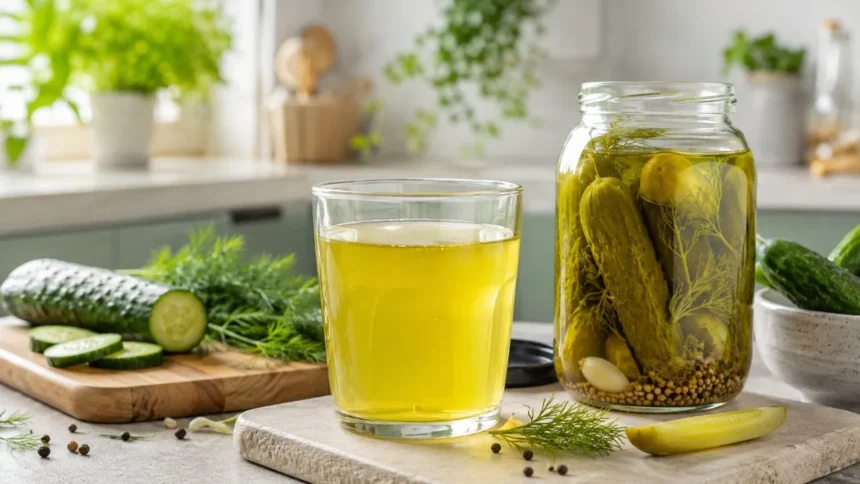
Pickle juice has moved beyond the bottom of the pickle jar. Athletes drink it for muscle cramps, wellness enthusiasts use it as an electrolyte drink, and some people believe it supports digestion or blood sugar control. These claims make pickle brine sound like a simple, inexpensive health tonic.
So, is pickle juice good for you? It can offer certain benefits when consumed in small amounts, particularly after prolonged exercise or when a muscle cramp begins. However, it is not a miracle drink, and its high sodium content means that drinking large quantities may cause more harm than good.
The nutritional value of pickle juice also depends on how the pickles were produced. Naturally fermented pickle juice may contain beneficial bacteria, while most shelf-stable supermarket varieties are made with vinegar and may contain no live probiotics. Sweet pickle brine may also contain a noticeable amount of added sugar.
For most healthy adults, an occasional small serving can fit into a balanced diet. People with high blood pressure, kidney disease, heart conditions, acid reflux, or sodium restrictions should be more cautious. Understanding its potential benefits and limitations can help you decide whether pickle juice deserves a place in your routine.
What Is Pickle Juice Made From?
Pickle juice is the liquid used to preserve or ferment cucumbers and other vegetables. A typical brine contains water, salt, vinegar, herbs, garlic, and spices such as dill or mustard seed. Some recipes also include sugar, preservatives, calcium chloride, or artificial flavouring.
Vinegar-based pickle juice gets its sharp flavour mainly from acetic acid. This type of brine is commonly used in commercially produced pickles because it creates a consistent taste and helps preserve the cucumbers. It does not automatically contain the beneficial bacteria associated with naturally fermented foods.
Fermented pickle juice is produced when beneficial microorganisms convert natural sugars into lactic acid. This process creates the tangy flavour while allowing certain live cultures to develop. However, heating, pasteurisation, and long-term shelf storage can destroy these microorganisms before the product reaches your kitchen.
The nutrition facts can vary significantly between brands and recipes. Dill pickle juice is usually low in calories and sugar but high in sodium, while sweet pickle juice may contain added sugar. Reading the nutrition label is therefore more reliable than assuming every type of pickle brine offers the same benefits.
Potential Health Benefits of Pickle Juice
One potential benefit of pickle juice is its sodium content, which may help replace some of the salt lost through heavy sweating. This can be useful during lengthy or intense exercise, especially in hot and humid conditions. However, most everyday workouts do not create enough electrolyte loss to require pickle juice.
Pickle brine may also help relieve certain exercise-associated muscle cramps. Research suggests that the strong, acidic taste may activate nerves in the mouth and throat that help interrupt the cramping signal. This effect appears to occur too quickly to result from sodium entering the bloodstream.
Naturally fermented pickle juice may contain live microorganisms and fermentation compounds that support a varied diet. These substances may contribute to digestive and gut health when consumed as part of a broader range of fermented foods. Not every pickle product provides these benefits, so processing methods matter.
Some people also use pickle juice because it is low in calories and has a strong flavour. A small amount may satisfy cravings for salty or sour foods without adding many calories. Nevertheless, low calorie content does not make unlimited consumption healthy because the sodium level can still be substantial.
Does Pickle Juice Help With Muscle Cramps?
Pickle juice is best known as a home remedy for painful muscle cramps. Some athletes take a small sip when a cramp begins, particularly during football, running, cycling, or other demanding activities. Limited research suggests it may shorten the duration of experimentally induced or exercise-related cramps.
The speed of relief is an important clue about how the remedy may work. The digestive system cannot absorb enough sodium and distribute it to the affected muscle within a few seconds. Researchers believe the sour taste may instead trigger a nerve reflex that reduces the activity causing the muscle contraction.
This does not mean pickle juice prevents every type of cramp. Muscle cramps can be connected to fatigue, overexertion, medications, pregnancy, nerve problems, circulation issues, or underlying health conditions. Regular or unexplained cramps should not automatically be treated as a simple electrolyte problem.
Pickle juice should also not replace water, rest, stretching, and a suitable recovery plan. A small amount may be useful as an occasional cramp remedy, but repeatedly drinking large servings is unnecessary. Persistent, severe, or unusual cramping should be discussed with a qualified healthcare professional.
Is Pickle Juice Good for Hydration?
Pickle juice contains sodium, which is one of the electrolytes lost in sweat. Sodium helps the body maintain fluid balance and supports normal nerve and muscle function. After prolonged sweating, replacing both fluid and electrolytes can be more effective than drinking plain water alone.
However, pickle juice is not a complete hydration drink. It may provide sodium, but it usually contains less potassium, magnesium, and carbohydrate than a properly formulated sports drink or balanced recovery meal. It should therefore be viewed as a concentrated source of salt rather than an all-purpose hydration solution.
The drink may be most relevant after extended activity in hot conditions or for athletes who lose a large amount of salt through sweat. Someone completing a light walk, short gym session, or ordinary daily activity is unlikely to need extra sodium from pickle brine. Water is usually sufficient for routine hydration.
Drinking pickle juice without enough water may also leave you feeling thirsty because of its saltiness. Large servings can increase total sodium intake without correcting dehydration. When using pickle juice after exercise, a small portion should be combined with water and a balanced meal or snack.
Can Pickle Juice Improve Gut Health?
Fermented foods can introduce useful microorganisms and fermentation by-products into the diet. Naturally fermented pickle juice may contain lactic acid bacteria when it has not been pasteurised or filtered. These products are usually found in the refrigerated section rather than on shelves at room temperature.
Standard vinegar pickles are different from naturally fermented pickles. Vinegar creates acidity quickly, but the process does not necessarily involve live bacterial cultures. A sour taste is therefore not proof that the juice is probiotic or that it will provide meaningful gut health benefits.
Even fermented pickle juice should not be treated as a cure for digestive problems. Gut health depends on many factors, including fibre intake, food variety, sleep, physical activity, stress management, and overall eating patterns. Whole fermented vegetables may provide more nutritional value than drinking their liquid alone.
People with sensitive stomachs may find that acidic or salty brine causes bloating, nausea, indigestion, or diarrhoea. Starting with a very small amount can help you judge your tolerance. Stop using it if it repeatedly worsens digestive symptoms rather than making you feel better.
Does Pickle Juice Lower Blood Sugar?
Some claims about pickle juice and blood sugar come from research involving vinegar. The acetic acid in vinegar may modestly affect the way the body responds to a carbohydrate-rich meal. However, evidence about vinegar cannot automatically be applied to every jar of pickle juice.
Pickle brine varies in its vinegar concentration, serving size, sodium level, and added ingredients. Sweet varieties may contain sugar, which changes their nutritional effect. Drinking an unknown amount is not a reliable or medically approved way to manage high blood sugar or diabetes.
People taking insulin or blood-glucose-lowering medication should be particularly careful with online remedies. Dietary changes can interact with medication needs and may create unexpected blood sugar changes. Pickle juice should never replace prescribed treatment, glucose monitoring, balanced meals, or professional medical advice.
A more dependable approach is to focus on fibre-rich foods, suitable portions, regular activity, adequate sleep, and an individualised diabetes care plan. Vinegar-based pickle juice may occasionally be part of a meal, but it should be treated as a condiment. It is not a proven treatment for diabetes.
Can Pickle Juice Support Weight Loss?
Pickle juice is generally low in calories, especially when it comes from unsweetened dill pickles. Replacing a high-calorie drink with a small serving of unsweetened brine could reduce calorie intake. Its strong flavour may also temporarily satisfy a craving for something salty or savoury.
These qualities do not mean that pickle juice directly burns fat. Sustainable weight loss occurs when long-term eating and activity habits create an appropriate energy balance. No single drink can compensate for frequent overeating, limited movement, poor sleep, or an unbalanced diet.
The high sodium content may also cause temporary water retention in some people. This can make body weight rise on the scale even though body fat has not increased. The effect may be confusing for anyone monitoring daily weight changes as part of a weight management programme.
Sweet pickle juice is another consideration because it may include added sugar. Regularly consuming sugary brine can add calories without providing fibre or lasting fullness. Water, unsweetened tea, balanced meals, and whole foods are more useful foundations for managing weight over time.
Possible Side Effects of Drinking Pickle Juice
The main concern with pickle juice is its high sodium concentration. Excess sodium can contribute to fluid retention and may increase blood pressure in salt-sensitive individuals. Drinking several servings can use up a large portion of the recommended daily sodium limit before other foods are considered.
Pickle brine can also irritate the digestive system. Its salt, vinegar, and spices may cause nausea, stomach discomfort, bloating, or loose stools, particularly when consumed on an empty stomach. People who are not accustomed to acidic foods may notice these effects after only a small amount.
The acidity may worsen heartburn or acid reflux in people who are sensitive to vinegar. Frequent contact with acidic drinks may also contribute to tooth enamel erosion over time. Drinking it quickly rather than sipping continuously and rinsing the mouth with water can reduce contact with the teeth.
Large amounts are unnecessary and may create an imbalance rather than improving hydration. Symptoms such as unusual swelling, persistent thirst, severe headache, vomiting, confusion, weakness, or an irregular heartbeat require medical attention. Pickle juice should be used as food, not as a substitute for medical care.
Who Should Avoid Pickle Juice?
People with high blood pressure should be careful because sodium can make blood pressure management more difficult. Even when medication is controlling the condition, regularly drinking salty brine may work against a lower-sodium eating plan. A doctor or registered dietitian can provide personalised advice.
Individuals with kidney disease may also need to limit sodium, fluid, potassium, or other minerals depending on their condition. The kidneys play an important role in balancing fluids and electrolytes. A concentrated brine may not be suitable when kidney function is reduced.
People living with heart failure, significant fluid retention, or certain liver conditions may have specific sodium and fluid restrictions. Pickle juice can contribute to swelling and thirst when consumed in large amounts. It should only be used with approval from the healthcare team managing the condition.
Those with frequent acid reflux, stomach ulcers, sensitive teeth, or chronic digestive symptoms may find the acidity uncomfortable. Pregnant individuals with high blood pressure or swelling should also seek guidance before using it regularly. Children generally do not need concentrated pickle brine as a health drink.
How Much Pickle Juice Should You Drink?
There is no official daily requirement for pickle juice. For a healthy adult trying it for an exercise-related cramp, a small serving of roughly 30 to 60 millilitres may be enough. More is not necessarily better, especially when the product contains a large amount of sodium.
Check the label before drinking directly from the jar. Compare the serving size with the sodium amount and consider the other salty foods eaten that day. Restaurant meals, sauces, processed meats, snacks, bread, and packaged foods can already contribute significant sodium.
Pickle juice should not become your main source of fluids. Drink water throughout the day and use electrolyte products only when activity, heat, illness, or medical guidance creates a genuine need. A balanced meal can also replace sodium, potassium, carbohydrate, and protein more effectively.
New users should begin with a small sip to assess their tolerance. Avoid drinking it immediately before lying down if acidic foods trigger reflux. When it causes stomach pain, excessive thirst, swelling, or other unpleasant symptoms, discontinue it rather than trying to build tolerance.
How to Choose a Healthier Pickle Juice
Start by checking the sodium level per serving. Products marketed as sports shots or wellness drinks can still contain concentrated salt. Choosing a lower-sodium option may make it easier to include pickle juice without exceeding your personal daily limit.
Look at the sugar content as well, especially when buying sweet, bread-and-butter, or flavoured pickle products. Added sugar is not necessary for cramp relief or electrolyte replacement. Unsweetened dill pickle juice is usually a more appropriate choice for someone watching calorie or sugar intake.
For potential live cultures, look for wording such as “naturally fermented,” “unpasteurised,” or “contains live cultures.” These products normally require refrigeration. Keep in mind that a fermented label does not cancel out the sodium, so portion control remains important.
A short ingredient list can make the product easier to understand. Water, salt, cucumbers, vinegar or natural fermentation, and familiar spices are generally straightforward ingredients. People with allergies or sensitivities should check for preservatives, artificial colours, sweeteners, garlic, chilli, and other flavourings.
The Final Verdict: Is Pickle Juice Good for You?
Pickle juice can be good for you in certain situations, but its usefulness is limited and highly individual. A small amount may help relieve an exercise-related muscle cramp or replace some sodium after prolonged sweating. These benefits do not make it necessary for everyone.
Its biggest drawback is the sodium content. Many people already consume more salt than they need, so adding concentrated brine every day may not improve health. The risks become more important for people with blood pressure, heart, kidney, digestive, or fluid-balance concerns.
Naturally fermented pickle juice may offer live cultures, but most commercial pickle brines should not be assumed to contain probiotics. Claims about weight loss, detoxification, and diabetes control are often exaggerated. Pickle juice is better viewed as an occasional food or workout tool than a medical treatment.
For a healthy adult, a small serving used occasionally is generally more sensible than drinking an entire glass. Pay attention to the nutrition label and your body’s response. When you have a medical condition or take medication, ask a healthcare professional before making it a regular habit.
Frequently Asked Questions
Is it healthy to drink pickle juice every day?
Daily pickle juice is not necessary for most people and may add too much sodium to the diet. Small occasional servings are more suitable unless a healthcare professional recommends otherwise.
Is pickle juice good for your kidneys?
Pickle juice is not a kidney cleanser or treatment. Its high sodium level may be unsuitable for people with kidney disease, so they should consult their doctor or renal dietitian.
Does pickle juice help with dehydration?
It can replace some sodium lost through heavy sweating, but it does not provide complete hydration by itself. Water and a balanced source of electrolytes are usually more appropriate.
When is the best time to drink pickle juice?
A small serving may be used when an exercise-related cramp begins or after prolonged, sweaty activity. It should not be consumed routinely before every workout when no extra sodium is needed.
Can pickle juice help you lose belly fat?
Pickle juice does not directly burn belly fat. Unsweetened varieties are low in calories, but lasting fat loss depends on overall diet, physical activity, sleep, and consistent habits.