

Lip Filler Aftercare: How to Heal Safely and Protect Your Results
Lip fillers can enhance lip volume, improve symmetry and create a more defined lip shape. However, the appearance immediately after treatment is not the final result. Swelling, tenderness, redness and minor bruising are common during the early stages of lip filler recovery, particularly around the small injection points.
Following appropriate lip filler aftercare can make the healing period more comfortable and help you avoid activities that may worsen swelling or bruising. Simple measures such as using a wrapped cold compress, staying hydrated and temporarily avoiding strenuous exercise may support a smoother recovery.
Most people can return to normal daily activities shortly after receiving lip injections. However, the lips may look larger, uneven or more pronounced than expected during the first few days. These temporary changes usually become less noticeable as the swelling settles and the filler integrates into the surrounding tissue.
Your injector’s instructions should always take priority over general online advice. The correct aftercare may depend on the filler product, injection technique, amount used and your medical history. Contact your provider whenever symptoms feel unusual, severe or different from what they told you to expect.
What Is Lip Filler Aftercare?
Lip filler aftercare refers to the steps you take following a lip augmentation procedure. These steps are designed to manage common side effects, protect the injection sites and help you recognise complications early. Good aftercare does not involve complicated products or aggressive treatments.
The lips are highly vascular, meaning they contain many blood vessels. This is one reason bruising and swelling can develop after multiple injections. Mild redness, tenderness and temporary irregularity may also occur while the tissues respond to the procedure and the filler begins settling.
Most modern lip fillers contain hyaluronic acid, a substance that attracts and holds water. Temporary swelling can therefore make the lips appear fuller than the intended result. Judging the treatment immediately may lead to unnecessary concern because the initial appearance can change considerably during recovery.
Aftercare cannot guarantee a perfect cosmetic outcome or eliminate every risk. The injector’s qualifications, product quality, sterile technique and knowledge of facial anatomy remain essential. Dermal filler complications can include infection, tissue damage, nerve injury and, rarely, vision problems.
What to Expect Immediately After Lip Filler
Immediately after your appointment, your lips may feel numb because of topical numbing cream or local anaesthetic. Take care when eating or drinking until normal sensation returns, particularly with hot foods and drinks. Numbness can make it easier to bite or burn your lips accidentally.
Your lips may appear significantly larger than you expected during the first few hours. This does not necessarily mean too much filler was used. The early appearance includes both the volume created by the filler and the swelling caused by the injections.
Small red marks, minor bleeding spots, tenderness and bruising can develop around the injection sites. The lips may also feel firmer or slightly uneven when you press them together. These early effects often improve as inflammation decreases and the product settles.
Mild swelling, redness, tenderness and occasional bruising are recognised temporary side effects of dermal fillers. Depending on the person and treatment, these effects may improve within several days, although some can remain visible for one to two weeks.
Lip Filler Swelling Stages and Healing Timeline
During the first 24 hours, swelling may increase rather than immediately decrease. One side can appear larger than the other because inflammation does not always develop evenly. This temporary asymmetry should not be mistaken for the final shape of the lips.
During days two and three, the lips may still feel tender, firm or unusually full. Bruising may also become more visible before it begins fading. Continue following your injector’s instructions and avoid repeatedly pressing the lips to check the filler.
By the end of the first week, much of the obvious swelling commonly improves. However, a small amount of puffiness, firmness or uneven texture may remain. Recovery time differs between people, so comparing your lips with someone else’s healing timeline may not be helpful.
Pain often improves within 12 to 24 hours, while swelling commonly decreases over 24 to 48 hours but can last up to a week. It may take approximately two to four weeks for residual swelling to resolve and for the filler to fully integrate into the lip tissue.
Essential Lip Filler Aftercare for the First 24 Hours
Keep the lip area clean and avoid touching it unnecessarily with unwashed hands. Each injection creates a tiny opening in the skin, so basic hygiene matters during the early healing period. Do not pick at small scabs or repeatedly stretch the lips to inspect them.
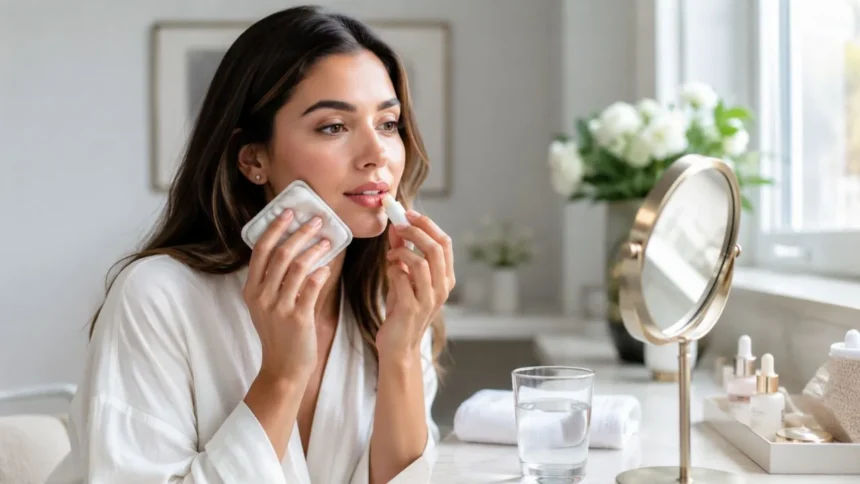
A clean cold pack may help reduce discomfort and swelling. Wrap it in a soft cloth and apply it gently for a few minutes at a time. Never place ice directly against the skin, as extreme cold can cause irritation or injury.
Drink enough water throughout the day and choose meals that are comfortable to eat. Take small bites while any numbness remains and allow hot drinks to cool. There is no need to follow a liquid-only diet unless your injector gives you a specific medical reason.
Avoid rubbing, squeezing or aggressively massaging the treated area unless your injector has shown you exactly how and when to do it. Some providers may recommend targeted massage for a particular product or lump, but unsupervised manipulation may irritate the tissue or worsen swelling.
How to Reduce Lip Filler Swelling and Bruising
Swelling is a normal response to the injections and cannot always be prevented completely. A wrapped cold compress can provide temporary relief during the first day. Apply it gently rather than pressing firmly against the freshly treated lips.
Keep your head slightly elevated when resting during the first night. Sleeping on your back may reduce direct pressure on the lips and make you more comfortable. Try to avoid sleeping face-down or with your mouth pressed firmly into the pillow.
Alcohol may increase bruising in some people, so it is often sensible to avoid it around the treatment period. Excessive heat and strenuous activity may also increase blood flow and make temporary swelling or bruising more noticeable.
Do not stop prescribed blood thinners, aspirin or other medication without medical guidance. Although certain medicines can increase bruising, stopping them independently may create a more serious health risk. Discuss pain relief and regular medication with your injector or prescribing clinician.
Can You Take Painkillers After Lip Fillers?
Mild soreness or tenderness can occur after lip injections, particularly once the numbing medicine wears off. The discomfort should generally remain manageable and begin improving rather than becoming progressively more intense. Severe or increasing pain requires prompt assessment.
Paracetamol may be suitable for temporary discomfort when you can normally take it safely. Follow the dosage instructions on the label and ask your healthcare provider when you have liver disease, take other medicines or are uncertain about its suitability.
Some anti-inflammatory medicines, including ibuprofen and aspirin, can affect bleeding and bruising. However, individual circumstances differ, and these medicines may be medically necessary. Never stop or change prescribed treatment solely to reduce cosmetic bruising.
Your provider should explain which pain relief options are appropriate for you. More medication is not a substitute for evaluation when pain is severe, one-sided, burning or associated with pale, grey, blue or purple skin around the treated area.
What to Eat After Lip Filler
You can generally eat after lip filler once the numbness begins wearing off. Start with foods that are easy to chew and unlikely to require excessive stretching of the mouth. Yoghurt, eggs, soft rice, soup at a safe temperature and small pieces of fruit may feel comfortable.
Very hot foods and beverages can be difficult to judge while your lips are numb. Allow them to cool before eating or drinking. This protects the lips from an accidental burn and may prevent additional irritation around the injection sites.
Salty or highly processed foods may leave some people feeling more puffy because sodium can contribute to temporary fluid retention. You do not need an extremely restrictive diet, but balanced meals and sensible salt intake may help you feel more comfortable.
Spicy, acidic or very crunchy foods are not automatically dangerous, but they may sting or irritate tender injection points. Choose foods according to your comfort level and return to your usual diet as the tenderness improves.
Can You Drink Through a Straw After Lip Filler?
Using a straw is not universally prohibited after lip injections. Drinking through one is unlikely to destroy the filler or completely change your results. However, puckering may feel uncomfortable while the lips are swollen or tender.
During the first day, drinking directly from a clean cup may be more comfortable. Avoid placing excessive pressure on the lips or repeatedly testing how far you can pucker. Normal gentle movement is different from forceful manipulation.
Some injectors provide stricter instructions based on the placement, technique or amount of product used. Follow their recommendations even when they differ from general advice. They know how your specific treatment was performed.
Medical guidance indicates that activities such as drinking through a straw do not normally affect the treatment outcome, although temporary discomfort may make people choose to avoid them. Resume the activity when it feels comfortable and your provider has not advised otherwise.
Can You Kiss After Lip Filler?
There is no universal medical rule that kissing will automatically move or damage lip filler. However, the pressure and movement may feel uncomfortable while the lips are swollen. Kissing can also expose the recently treated area to saliva and additional contact.
Many people prefer to wait until tenderness and visible injection points have improved. Waiting approximately 24 to 48 hours may provide additional comfort and reduce unnecessary pressure during the earliest stage of healing.
When you resume kissing, start gently and stop when the lips feel painful or unusually sensitive. Avoid aggressive pressure, biting or prolonged manipulation until the swelling has settled. Your comfort should guide the timing.
Some medical guidance states that kissing does not normally affect the filler outcome, although people may temporarily modify the activity because of soreness. Follow any personalised restrictions provided by your injector.
Can You Wear Lipstick or Makeup After Lip Fillers?
The skin around fresh injection sites may be sensitive, so use caution with lipstick, lip liner, gloss and other products. Cosmetics can contain fragrance, pigments or ingredients that irritate the treated skin, especially when products are old or shared.
Your injector may advise waiting until the small puncture sites have closed, often until later that day or the following day. Use clean products and clean hands when applying anything to the lips. Avoid rubbing vigorously during application or removal.
A gentle, fragrance-free lip balm may help if the lips feel dry, provided your clinician allows it. Do not use strong exfoliating scrubs, plumping glosses, chemical peels or irritating active ingredients around the mouth during early recovery.
Recommendations about makeup vary because injection techniques and patient factors differ. Ask your provider when you can restart your complete skincare and makeup routine, particularly if your skin is reactive or the injection sites remain open.
Exercise After Lip Filler
Light daily movement is usually acceptable after treatment. Walking around your home, completing normal tasks and taking a gentle walk are unlikely to interfere with the filler. Stop when an activity causes throbbing, increased swelling or discomfort.
Strenuous workouts increase body temperature, heart rate and blood flow. These changes may make swelling and bruising more noticeable. Heavy lifting, intense cardio, hot yoga and high-impact exercise are therefore commonly delayed during early recovery.
Many providers recommend avoiding vigorous exercise for at least 24 hours, while others advise waiting 24 to 48 hours or several days. The appropriate timing depends on the level of swelling, the treatment performed and your injector’s instructions.
Professional plastic surgery guidance recommends avoiding intense physical activity for approximately 24 to 48 hours to minimise bruising and swelling. Return gradually and pause again if exercise makes the lips feel more swollen or painful.
Sleeping After Lip Filler
Try to sleep on your back during the first night, particularly when the lips are noticeably swollen. This position reduces the chance of pressing your face into the pillow. An extra pillow can also keep your head slightly elevated.
Use a clean pillowcase and avoid sleeping with makeup on your face. Keeping the surrounding area clean is a simple way to reduce contact between the injection sites and dirt, oil or old cosmetic residue.
Do not panic if you accidentally roll onto your side during sleep. A brief change in sleeping position is unlikely to ruin the entire treatment. Return to a comfortable back position when you wake and avoid repeatedly pressing the lips to check them.
Some plastic surgery guidance recommends avoiding side or stomach sleeping during the first day to reduce unnecessary pressure on treated areas. Your injector may give you different instructions based on how and where the product was placed.
Alcohol, Smoking and Vaping After Lip Filler
Alcohol can increase the likelihood or visibility of bruising, particularly when consumed near the time of treatment. It may also contribute to dehydration. Many providers recommend avoiding alcoholic drinks for approximately 24 to 48 hours.
Smoking and vaping involve repeated puckering and can expose tender lips to heat, chemicals and irritation. Nicotine also affects blood vessels and normal healing. Taking a break during early recovery may help prevent unnecessary irritation.
People who cannot comfortably avoid nicotine should speak honestly with their healthcare provider. Do not hide smoking or vaping habits during the consultation, because this information can help the injector assess risks and provide realistic guidance.
Avoiding alcohol, smoking and excessive heat around the procedure is commonly recommended to limit swelling and support healing. The exact restriction may vary, so follow the instructions given by your qualified practitioner.
Heat, Saunas and Sun Exposure After Lip Filler
Excessive heat can increase circulation and may temporarily worsen swelling. Avoid saunas, steam rooms, hot tubs and very hot showers during the first 24 to 48 hours, especially when your lips remain noticeably swollen.
Hot yoga and intense outdoor exercise combine physical exertion with heat, making swelling more likely to become uncomfortable. Postpone these activities until the initial tenderness has improved and your provider has cleared you to restart them.
Protect your lips and surrounding skin from strong sunlight. Use shade and a clean, gentle sun-protective product once your provider says topical products are appropriate. Avoid applying irritating skincare directly over fresh injection points.
Professional guidance commonly recommends avoiding excessive heat for 24 to 48 hours because it may contribute to swelling. Longer restrictions may be appropriate when you have significant bruising, sensitive skin or another procedure performed at the same appointment.
Dental Work After Lip Filler
Dental treatment involves pressure around the mouth, prolonged stretching of the lips and exposure to bacteria from the oral cavity. For these reasons, routine dental appointments should ideally be planned separately from filler treatment.
Cleveland Clinic guidance recommends avoiding dental work for two weeks before and after filler injections to reduce infection risk. This includes routine cleaning and elective procedures, although urgent dental problems still require professional attention.
Tell both your dentist and filler provider about recent procedures. They can help you decide whether treatment should proceed, be postponed or require additional precautions. Do not delay urgent dental care without speaking to a qualified clinician.
Scheduling filler immediately before major dental treatment, braces adjustments or oral surgery may create unnecessary discomfort. Planning ahead gives the lips time to heal and makes it easier to identify the cause of any swelling or pain.
Are Lumps Normal After Lip Filler?
Small areas of firmness or a slightly bumpy texture can occur during the first few days. Swelling around individual injection points may make the lips feel uneven even when the filler has been placed correctly.
Avoid constantly squeezing the lips or attempting to push a lump into a different position. Excessive manipulation can irritate the tissue and make it more difficult to judge whether the area is naturally settling.
Do not massage a lump unless your injector has assessed it or specifically taught you how to do so. Some early irregularities may benefit from professional massage, while others may require observation, adjustment or medical treatment.
Contact your provider when a lump is large, visible, hard, increasingly painful or still present after the expected settling period. Painful lumps, colour changes or worsening swelling should be assessed sooner rather than waiting several weeks.
When Should You Contact Your Lip Filler Provider?
Contact your provider when swelling continues to worsen after the early recovery period, returns after improving or is accompanied by increasing redness and warmth. Discharge, fever, spreading redness and worsening tenderness may indicate infection.
You should also arrange an assessment when the lips remain significantly uneven after the swelling has settled. Minor asymmetry during the first few days is common, but persistent asymmetry may require a follow-up examination.
Large, hard, visible or painful lumps should not be aggressively massaged at home. Your injector needs to determine whether the issue is swelling, product placement, inflammation or another complication before recommending treatment.
Keep your provider’s telephone number and emergency instructions available after the procedure. A responsible clinic should explain expected side effects, provide follow-up support and tell you who to contact outside normal opening hours.
Lip Filler Warning Signs That Need Urgent Attention
Severe pain is not a normal part of routine lip filler healing. Seek immediate medical assessment when pain becomes intense, continues increasing or feels out of proportion to the visible swelling, especially when it affects one specific area.
Pale, white, grey, blue or mottled purple skin around the lips may indicate reduced blood flow. The skin may also feel cool, develop a net-like pattern or change colour away from the injection point. Contact the injector immediately rather than waiting for a routine appointment.
Sudden blurred vision, loss of vision, severe headache, weakness, difficulty speaking, confusion or facial drooping requires emergency medical care. Although these complications are rare, filler entering a blood vessel can cause tissue death, blindness or stroke.
The FDA identifies accidental injection into a blood vessel as the most serious filler risk. Rapid recognition and treatment are essential, so do not rely on ice, massage or internet remedies when severe pain, skin colour changes, neurological symptoms or visual problems occur.
When Will You See the Final Lip Filler Results?
The lips usually look fuller immediately, but the early appearance includes swelling. It is normal to feel uncertain about the size or shape during the first few days, particularly when bruising or temporary asymmetry is present.
Much of the visible swelling commonly improves within the first week. However, subtle swelling and firmness may last longer. Avoid arranging immediate correction based only on how the lips look during the earliest recovery stage.
The filler can take approximately two to four weeks to integrate fully with the lip tissue. A follow-up appointment after this settling period allows your provider to evaluate symmetry, shape, volume and any areas that concern you.
Plan treatment well before weddings, holidays, photographs or important events. Leaving at least two weeks provides time for common bruising and swelling to improve, although some people may need longer to see their settled result.
How to Protect Lip Filler Results Long Term
Once the lips have healed, return to a consistent and gentle skincare routine. Keep the lips moisturised, protect the surrounding skin from excessive sun exposure and avoid repeatedly picking or biting dry skin.
Stay generally hydrated, but do not expect drinking excessive water to dramatically increase filler volume or make it last forever. Hydration supports normal health and comfort, while filler longevity mainly depends on the product, placement, metabolism and amount used.
Avoid booking unnecessary top-ups before the filler has settled. Adding more product too quickly can make it difficult to assess the original treatment and may contribute to an overfilled appearance. Discuss your goals during a proper follow-up appointment.
Lip filler is temporary and gradually breaks down over time. Results commonly last several months, but longevity varies between people. Choose future appointments based on your individual appearance and provider’s advice rather than following a fixed schedule promoted on social media.
Choosing a Qualified Lip Filler Provider
Lip filler is a medical procedure rather than an ordinary beauty service. Choose a properly trained and experienced healthcare professional who understands facial anatomy, filler products, sterile injection practices and the management of complications.
Ask for the full name of the product, where it was obtained and whether it is approved for the intended use in your country. The provider should explain benefits, limitations, costs, expected recovery and possible complications before treatment.
Ask how the clinic handles vascular occlusion, infection and other emergencies. When hyaluronic acid filler is used, the provider should have an appropriate complication-management plan and rapid access to the necessary medical resources.
The NHS warns that filler complications can include infection, nerve damage and blindness, particularly when procedures are not performed correctly. Selecting an experienced practitioner and confirming what aftercare support is available are essential safety steps.
Conclusion
Effective lip filler aftercare is mostly about allowing the lips to heal without unnecessary pressure, irritation or heat. Mild swelling, tenderness, redness and bruising are expected, particularly during the first few days after treatment.
Use a wrapped cold compress, stay hydrated and avoid strenuous exercise during early recovery. Keep the injection sites clean, delay excessive heat and do not massage the lips unless your injector specifically instructs you to do so.
Be patient before judging your results. Swelling may improve within several days, while the final appearance can take two to four weeks to become clear. Contact your provider when lumps, asymmetry or discomfort continue beyond the expected recovery period.
Seek urgent help for severe pain, pale or purple skin, rapidly worsening symptoms, visual changes or neurological problems. Proper aftercare is helpful, but choosing a qualified medical provider and recognising complications early are the most important steps for protecting your health.
Frequently Asked Questions
How long does swelling last after lip filler?
Most swelling improves within 24 to 48 hours, although it can remain visible for a week. Subtle swelling may take two to four weeks to settle completely.
What should you avoid after lip filler?
Avoid strenuous exercise, excessive heat, alcohol and unnecessary pressure during early recovery. Do not rub or massage the lips unless your injector recommends it.
Can I eat immediately after lip fillers?
You can usually eat once the numbness begins wearing off. Choose soft, comfortably warm foods and take care not to bite or burn your lips accidentally.
Can I sleep on my side after lip filler?
Sleeping on your back is generally more comfortable during the first night and reduces pressure on the lips. Accidentally turning onto your side is unlikely to ruin the treatment.
How do I know whether lip filler swelling is abnormal?
Seek immediate help for severe or increasing pain, pale skin, purple discolouration, cool skin, vision changes or neurological symptoms. These may indicate a serious complication.