

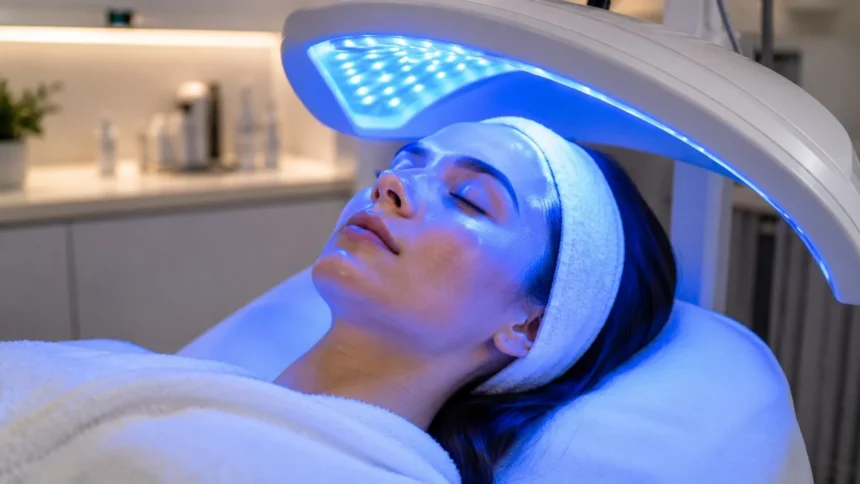
Blue Light Therapy: Benefits, Uses, Risks and Results
Blue light therapy has become a popular option for people looking for a non-invasive way to manage acne and certain skin conditions. It uses a controlled source of visible blue light rather than medication applied directly to the skin. Depending on the condition, treatment may take place in a dermatologist’s office or through an at-home LED device designed for regular use.
Interest in blue LED light therapy has grown because it normally does not involve needles, incisions or lengthy recovery. Many people are also attracted to treatments that can fit alongside an existing skincare routine. However, blue light is not a universal solution, and the quality of results depends on the skin concern, device strength, treatment schedule and individual response.
The term can also create confusion because several treatments use blue or blue-enriched light. A home acne mask, dermatologist-administered photodynamic therapy and a bright light box for seasonal depression are different treatments. They use different intensities, procedures and safety precautions, even though people may casually refer to all of them as light therapy.
Understanding these differences helps you set realistic expectations and avoid using the wrong device for your needs. This guide explains how blue light therapy works, what it may treat, how long results can take and what risks to consider. It also covers how to compare at-home products and when professional medical advice is important.
What Is Blue Light Therapy?
Blue light therapy is a treatment that exposes the skin to a specific range of visible blue light. Many acne devices operate near the violet-blue portion of the visible spectrum, commonly around 405 to 420 nanometers. The light reaches the upper layers of the skin, where it can interact with naturally occurring compounds found in acne-related bacteria.
Unlike ultraviolet light, visible blue light does not work by tanning or intentionally damaging the skin. Properly designed medical and cosmetic devices are expected to produce controlled visible-light exposure. However, people should still follow the manufacturer’s instructions because wavelength, intensity, treatment distance and exposure time can differ significantly between devices.
Blue light may be used alone for mild inflammatory acne or combined with red light in an LED treatment. Blue light is generally selected for its effect on acne-related bacteria, while red light is often included to help calm inflammation. This combination may be useful when breakouts are accompanied by visible redness and irritation.
A stronger clinical version may be used during photodynamic therapy. In this procedure, a healthcare professional applies a photosensitizing medicine before exposing the area to a controlled light source. The medicine and light work together to damage targeted abnormal cells, making the procedure different from ordinary blue LED skincare.
How Does Blue Light Therapy Work?
Acne develops when hair follicles become blocked by oil and dead skin cells. Bacteria can multiply inside the blocked follicle, contributing to inflammation, redness and pus-filled pimples. Blue light targets compounds produced by acne-related bacteria, creating a reaction that may reduce the number of bacteria present within the treated area.
This antibacterial effect is one reason blue light therapy is most closely associated with inflammatory acne. It may help reduce red pimples and small pustules, but it does not physically remove hardened plugs from clogged pores. Therefore, it is less likely to improve blackheads and whiteheads when used as the only treatment.
Blue light does not address every factor that causes acne. It does not directly regulate hormones, permanently reduce oil production or prevent dead skin from collecting inside pores. A dermatologist may therefore recommend combining light therapy with a retinoid, benzoyl peroxide, azelaic acid or another evidence-based acne treatment.
During photodynamic therapy, the process is more intensive. A light-sensitive medicine is absorbed more strongly by targeted or damaged cells. When the treatment area is exposed to blue or another suitable light, the medicine becomes active and creates a reaction that destroys those cells while limiting damage to surrounding healthy tissue.
What Is Blue Light Therapy Used For?
The most familiar use is blue light therapy for acne, particularly mild to moderate inflammatory acne. This includes red bumps and pus-filled pimples that appear on the face or other suitable treatment areas. Visible-light devices generally do not work as effectively for deep cysts, large nodules, whiteheads or blackheads.
Dermatologists may also use blue light as part of photodynamic therapy for actinic keratosis. Actinic keratoses are rough, sun-damaged areas that can sometimes develop into skin cancer. A prescription photosensitizing solution is applied to the damaged area before it is activated by a controlled light source in a medical setting.
Photodynamic treatment may be considered for certain superficial skin cancers or other abnormal tissue, depending on the diagnosis and treatment plan. It should never be attempted with a consumer LED mask. Suspicious, changing, bleeding or non-healing skin lesions need to be examined before any light-based skincare treatment is started.
Blue-enriched light is also studied in connection with sleep timing, alertness and seasonal mood changes. However, a dermatology device is not a replacement for a medical bright light box. Light therapy for seasonal affective disorder uses a specific brightness, schedule and positioning that should be discussed with a qualified healthcare professional.
Blue Light Therapy for Acne
Blue light acne treatment is most suitable for inflammatory pimples close to the skin’s surface. People with occasional red breakouts may notice fewer active spots after using a suitable device consistently. However, individual responses vary, and it is not possible to guarantee how much improvement a particular person will experience.
One treatment is rarely enough to create a noticeable difference. Professional treatments are usually provided as a series of sessions, while at-home LED masks may require use several times per week. Improvements may continue to appear after the final session because inflammation needs time to settle and existing blemishes need time to heal.
Blue light is rarely the complete answer for persistent acne. A skincare routine may also need a gentle cleanser, non-comedogenic moisturizer, sunscreen and an ingredient that keeps pores clear. Using several aggressive products at the same time can damage the skin barrier, so new treatments should be introduced gradually rather than all at once.
People with painful cysts, acne scars or breakouts that are affecting their emotional wellbeing should consult a dermatologist. Deep acne has a greater risk of leaving permanent scars and often requires prescription treatment. Relying only on an LED face mask may delay more effective care and allow the condition to worsen.
Blue Light Photodynamic Therapy for Sun-Damaged Skin
Photodynamic therapy, commonly called PDT, is a two-part medical treatment. First, a healthcare professional prepares the skin and applies a photosensitizing medicine to the treatment area. The medicine is allowed to remain on the skin for a specific period so that it can be absorbed by abnormal or sun-damaged cells.
The area is then exposed to a controlled light source, which may be blue or red depending on the medicine and condition being treated. The light activates the photosensitizer and produces a local reaction within the targeted tissue. This can destroy abnormal cells and allow healthier-looking skin to replace them during healing.
PDT is commonly associated with actinic keratosis, especially when several rough sun-damaged patches affect the face or scalp. A dermatologist may recommend it when lesions return, appear across a wider area or are better treated as a group. The number of sessions depends on the diagnosis and the person’s response.
The procedure can cause burning, stinging, redness, swelling, crusting and peeling. Treated skin may remain highly sensitive to daylight for a period after the appointment. Patients must follow their clinician’s sun-protection instructions carefully because unprotected light exposure can trigger a painful and potentially serious skin reaction.
Benefits of Blue Light Therapy
One potential advantage is that treatment is non-invasive. Standard blue LED therapy does not require injections, surgical cuts or oral medicine. This may make it appealing to people who cannot tolerate certain topical products or who want to add a device-based option to a broader dermatologist-approved acne plan.
Blue light also targets inflammatory pimples differently from conventional acne ingredients. Rather than exfoliating the pore or reducing oil, it acts on acne-related bacteria near the skin’s surface. Using treatments with different mechanisms can sometimes create a more complete routine than relying on a single product for every cause of acne.
Most people can return to their normal routine quickly after ordinary LED treatment. Mild redness, warmth or dryness may occur, but there is usually little downtime when the device is used properly. Clinical photodynamic therapy is different and can involve several days of visible redness, peeling and strict light protection.
Another benefit is the availability of home-use devices. An LED mask or handheld tool can be more convenient than visiting a clinic for every session. Convenience, however, should not be confused with greater effectiveness. Consumer devices are generally less powerful and may require more frequent, consistent use before changes become noticeable.
Possible Side Effects and Safety Risks
Common side effects of ordinary blue light therapy include temporary redness, dryness, warmth, tightness or mild stinging. These effects are usually limited to the treated area. Sessions that are too long or too frequent can increase irritation, especially when light therapy is combined with strong exfoliants or drying acne products.
More serious reactions are uncommon but can include burns, blisters, persistent pain, changes in skin color or worsening sensitivity. The risk may be higher when an unsuitable device is used, instructions are ignored or a person has an unrecognized photosensitivity condition. Treatment should be stopped if an unusual or severe reaction develops.
Professional PDT can produce stronger side effects because the treatment includes a photosensitizing medicine. Burning during illumination, swelling, crusting and temporary discoloration may occur. The treated area must be protected as directed after the procedure, and patients should not assume that ordinary sunscreen alone provides enough protection during the photosensitive period.
Eye safety also matters because bright LEDs can feel uncomfortable and may create unnecessary exposure. Use the eye protection supplied or recommended for the device, and never stare directly at the lights. A product should not be used if it is damaged, overheats, flickers unexpectedly or lacks understandable operating and safety instructions.
Who Should Avoid Blue Light Therapy?
People with lupus, porphyria or another condition associated with sensitivity to light should speak with a healthcare professional before beginning treatment. The same caution applies to anyone with a history of severe reactions to sunlight. A consumer device should not be treated as automatically safe simply because it is marketed for home use.
Some prescription and over-the-counter medicines can increase sensitivity to light. These may include certain antibiotics, acne treatments and other drugs that carry a photosensitivity warning. Check medication information and ask a doctor or pharmacist before combining a light device with a medicine that makes the skin more reactive to light.
Anyone with an unexplained skin lesion should receive an examination before treating the area. A mole or patch that changes shape, grows, bleeds, becomes painful or does not heal should not be covered by an LED mask without medical advice. Light therapy is not a tool for diagnosing or ruling out skin cancer.
Pregnant or breastfeeding people should also discuss elective light treatment with their healthcare provider, especially when a photosensitizing medicine is involved. Ordinary visible LED treatment may not expose the body to medication, but individual health factors still matter. Professional guidance provides a safer decision than relying only on a product advertisement.
At-Home Blue Light Therapy Devices
At-home devices come in the form of full-face LED masks, flexible silicone masks, handheld wands and small spot-treatment tools. Masks cover a larger area, while handheld devices may be practical for occasional blemishes. The best design is one that fits comfortably and can be used consistently without exceeding the recommended treatment time.
Look for a device that clearly states its intended use. A blue light product designed for mild to moderate inflammatory acne should not claim to cure severe cystic acne, remove every type of blemish or replace medical treatment. Excessive promises are a warning sign, especially when a company does not explain the device’s wavelength or safety testing.
In the United States, check whether the product is FDA-cleared for its stated purpose rather than simply described as FDA-registered. Registration does not prove that a specific product has been reviewed for acne treatment. Product instructions should also explain session length, frequency, charging, cleaning, eye protection and situations in which treatment should be avoided.
Price alone does not determine quality. Compare the treatment area, comfort, warranty, return policy and availability of replacement parts. Verified customer experiences can help identify practical problems, but testimonials should not replace clinical evidence. Before-and-after photographs can also be misleading when lighting, makeup, camera settings or editing have changed.
How to Use an LED Mask Safely
Begin by washing the skin with a gentle cleanser and allowing it to dry completely. Remove makeup and products that could block the light or increase irritation unless the manufacturer specifically instructs otherwise. Do not apply a prescription photosensitizer at home unless it has been prescribed as part of a supervised medical procedure.
Position the mask or device according to its instructions and use the recommended eye protection. Complete only the stated session length, even when the skin feels normal. Longer exposure does not automatically create faster results and may increase dryness, discomfort or sensitivity without providing an additional benefit.
Maintain a simple skincare routine while assessing the device. A gentle moisturizer and broad-spectrum sunscreen can support the skin barrier, while an acne ingredient may be added if appropriate. Avoid introducing several new acids, scrubs and light treatments together because irritation can make it difficult to identify which product is causing the problem.
Take progress photographs under similar lighting every one or two weeks rather than judging the skin after every session. Stop using the device if you develop persistent redness, swelling, pain, blistering, unusual darkening or increased light sensitivity. Contact a dermatologist when the reaction is severe or does not settle after treatment is discontinued.
When Will You See Results?
The time required to see improvement depends on the type of device, strength of treatment and severity of acne. Some people notice fewer inflamed pimples within several weeks, while others experience little change. At-home products usually require a longer period of consistent use because their light output is lower than professional equipment.
Existing pimples will not disappear immediately after exposure. The purpose is to reduce factors contributing to inflammatory breakouts over time. A person may still develop new blemishes during the first few weeks, especially when clogged pores, hormones, excess oil or irritating skincare products are also contributing to the condition.
Assess results by looking at several changes instead of expecting perfectly clear skin. Consider whether inflamed spots appear less frequently, heal faster or feel less painful. Also look for unwanted effects such as dryness or discoloration. A treatment that reduces a few pimples but causes ongoing irritation may not be worthwhile.
When no meaningful improvement appears after the recommended treatment period, review the routine with a dermatologist. The acne may require a different diagnosis or treatment approach. Conditions such as rosacea, folliculitis and perioral dermatitis can resemble acne but may not respond appropriately to an at-home blue LED device.
Blue Light Therapy vs. Red Light Therapy
Blue and red light therapies use different portions of the visible-light spectrum and are promoted for different skincare goals. Blue light is commonly associated with acne-causing bacteria and inflammatory pimples. Red light penetrates differently and is often marketed for calming inflammation, supporting healing and improving the appearance of fine lines.
Many acne devices combine red and blue LEDs. The purpose is to pair blue light’s antibacterial action with the soothing effects associated with red light. A combination device may be useful for someone with red inflammatory breakouts, although results still vary and should not be expected to match prescription acne treatment.
Red light alone is not normally chosen as the primary method of targeting acne-related bacteria. Similarly, blue light should not automatically be selected for wrinkles or collagen-related concerns. Matching the wavelength to the intended use is more important than buying a device simply because it offers several light colors.
Some masks include green, yellow, purple or multiple changing colors, but more settings do not necessarily produce better results. Each claim should be supported by credible evidence and a clearly stated treatment purpose. A simple device with an appropriate wavelength and reliable safety instructions may be more useful than one with many poorly explained modes.
Is Blue Light Therapy Worth It?
Blue light therapy may be worth considering for someone with mild to moderate inflammatory pimples who prefers a non-invasive option. It can also be considered when a dermatologist recommends light treatment as part of a wider acne plan. The greatest value usually comes from realistic expectations and consistent, correct use.
It may be less worthwhile for someone whose main concerns are blackheads, whiteheads, deep cysts or hormonal breakouts. These types of acne normally require treatments that unclog pores, control inflammation or address hormonal influences. Spending heavily on a mask before identifying the acne type can lead to disappointing results.
Clinical PDT can be highly valuable for an appropriate medical condition, but it should not be compared directly with a cosmetic home mask. A dermatologist selects the photosensitizing medicine, treatment area, incubation period and light source based on the diagnosis. Professional follow-up is also important for monitoring healing and treatment response.
Ultimately, blue light therapy is a tool rather than a complete skincare solution. It works best when the condition is correctly identified and the device is matched to the intended use. Gentle skincare, sun protection and timely medical care remain important whether treatment is performed at home or in a dermatology clinic.
Blue Light Therapy and Seasonal Affective Disorder
Light therapy for seasonal affective disorder is not the same as using a blue acne mask. Standard treatment generally involves sitting near a very bright light box that filters ultraviolet light. The brightness, distance, timing and length of exposure are selected to influence the body’s sleep-wake rhythm and seasonal mood symptoms.
A commonly used approach involves a 10,000-lux light box for a scheduled morning session. People should not try to recreate this treatment by staring at skincare LEDs, phone screens or blue household lights. These sources are not designed or tested to deliver the same controlled therapeutic exposure.
People with eye disease, medications that increase light sensitivity or a history of bipolar disorder should seek professional advice before beginning bright light therapy. Incorrect timing or exposure may cause headaches, eye strain, sleep disruption, agitation or mood changes. A mental health professional can also determine whether symptoms are related to seasonal depression.
Persistent low mood, loss of interest, major sleep changes or difficulty functioning should not be self-treated with a light product alone. Seasonal affective disorder is a form of depression and deserves a proper assessment. Light therapy may be one part of care alongside psychotherapy, medication or other treatment recommended by a qualified provider.
Final Thoughts
Blue light therapy offers a convenient, non-invasive approach that may reduce mild to moderate inflammatory acne. It is most useful for red surface-level pimples rather than blackheads, whiteheads or deep cysts. Results vary, and multiple sessions are normally needed before a meaningful change can be evaluated.
Professional blue light photodynamic therapy is a separate medical procedure used for conditions such as actinic keratosis and selected abnormal skin growths. It combines a light-sensitive medicine with a controlled light source. Because the procedure can cause significant photosensitivity, it must be performed and managed by trained healthcare professionals.
At-home LED masks can be useful when they have a clear intended purpose, reliable instructions and appropriate safety features. Buyers should be cautious of exaggerated promises and should confirm whether regulatory claims are genuine. Proper eye protection, reasonable session lengths and consistent use are more important than choosing a device with many colors.
Anyone with severe acne, scarring, persistent irritation or a suspicious skin lesion should consult a dermatologist. Blue light can support a treatment plan, but it cannot replace an accurate diagnosis. Choosing the right treatment for the right condition is the safest way to achieve clearer and healthier-looking skin.
Frequently Asked Questions
Does blue light therapy really work?
Blue light therapy may reduce mild to moderate inflammatory pimples, but results differ between individuals. It normally works best as part of a complete acne routine rather than as a stand-alone cure.
How often should you use blue light therapy?
Frequency depends on the device and treatment strength. Follow the manufacturer’s instructions or your dermatologist’s schedule instead of increasing session length in an attempt to get faster results.
Can blue light therapy make acne worse?
Temporary irritation may make the skin appear redder, while an unsuitable routine can damage the skin barrier. Stop treatment and seek advice if breakouts, pain or inflammation continue to worsen.
Is blue light therapy safe for your eyes?
Bright LED light can cause discomfort, so users should avoid staring directly at the source. Always wear the eye protection recommended or supplied with the device.
Can I use blue light therapy every day?
Some home devices are designed for daily use, while others should be used only several times per week. Daily treatment is appropriate only when it matches the product instructions or professional advice.