

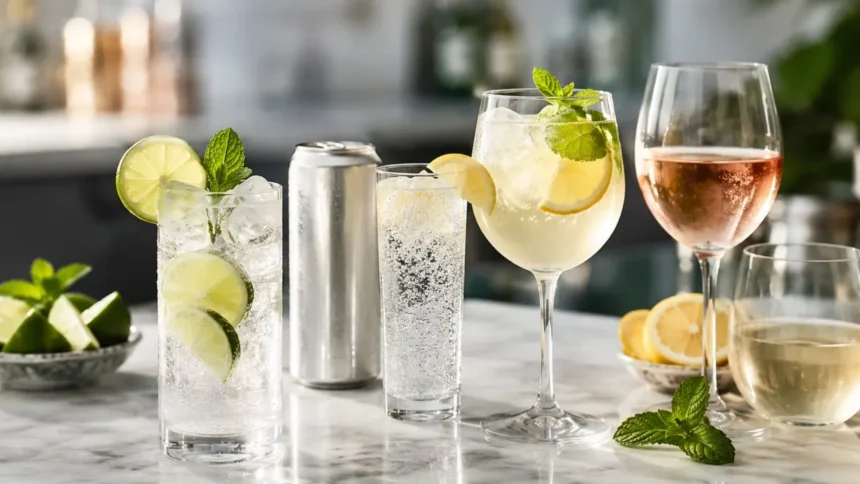
Low Calorie Alcoholic Drinks: 20 Lighter Choices That Still Taste Good
Choosing a lower-calorie drink does not mean settling for something watery, bland or difficult to order. Many familiar beers, wines, spirits and mixed drinks can fit into a calorie-conscious lifestyle when you select a sensible serving and avoid sugary mixers. The biggest difference often comes from what is added to the alcohol rather than the type of spirit poured into the glass.
Popular cocktails can contain syrup, fruit juice, cream, sweet liqueur and regular soda, which quickly raise the calorie count. In comparison, a measured serving of liquor mixed with soda water, diet tonic or another sugar-free mixer may contain around 100 calories. Dry wines, light beers and selected hard seltzers can also be reasonable choices when portions remain controlled.
However, “low calorie” should not be confused with healthy, harmless or suitable for everyone. Alcohol supplies energy but provides few useful nutrients, and even a lighter drink still contains alcohol. People who do not currently drink do not need to start, while anyone who chooses to drink should consider their health, medications, responsibilities and personal relationship with alcohol.
The calorie numbers throughout this guide are estimates rather than guarantees. Actual totals vary according to the brand, alcohol by volume, glass size, bartender’s pour and recipe. Use the figures as a comparison tool, read available nutrition labels and remember that one oversized cocktail may contain several servings even when it arrives in a single glass.
What Makes an Alcoholic Drink Low in Calories?
Alcohol itself contains approximately seven calories per gram, so no alcoholic beverage is genuinely calorie-free. A standard serving of an 80-proof spirit usually contributes close to 100 calories before anything is mixed with it. Higher-proof alcohol generally contains more calories because it delivers more alcohol in the same serving, making both proof and portion size important when comparing drinks.
Mixers are the next major source of calories. Regular cola, tonic water, lemonade, sweetened tea, cocktail syrup and large amounts of juice can add significant sugar and energy. Club soda, sparkling water, diet tonic, zero-sugar soda and fresh citrus add flavour with few or no additional calories, making them useful ingredients for low calorie cocktails.
Serving size can turn an apparently light drink into a heavy one. A measured 1.5-ounce shot differs greatly from a generous home pour or a cocktail containing two or three shots. The same applies to wine and beer: a five-ounce glass of wine and a 12-ounce beer are common reference portions, but restaurant glasses and pint servings may hold considerably more.
In the United States, one standard drink contains about 14 grams of pure alcohol. This is approximately the amount in 12 ounces of 5% beer, five ounces of 12% wine or 1.5 ounces of 40% distilled spirits. These portions contain similar amounts of alcohol, although their calorie totals can differ because of carbohydrates, residual sugar and added ingredients.
20 Best Low Calorie Alcoholic Drinks to Order or Make
1. Vodka soda usually contains about 100 calories when made with one measured shot. 2. Tequila soda offers a similar calorie count with fresh lime. 3. Gin and diet tonic generally stays near 100 calories, depending on the gin. 4. Rum and Diet Coke is approximately 100 calories. 5. Whiskey and soda combines one shot with calorie-free sparkling water.
6. Vodka with water and lemon contains little beyond the calories in the spirit. 7. Tequila on the rocks is roughly 97 to 100 calories for 1.5 ounces. 8. Whiskey neat provides about the same amount. 9. Gin with soda and cucumber creates a refreshing, unsweetened drink. 10. A small traditional martini may contain around 125 calories when the pour remains controlled.
11. Champagne contains approximately 85 calories in a four-ounce serving. 12. A small mimosa may provide around 75 calories, although larger pours contain more. 13. Dry white wine usually has about 120 to 130 calories per five ounces. 14. Dry red wine provides a similar amount. 15. A wine spritzer can reduce calories when wine is diluted with sparkling water.
16. Light beer commonly provides about 100 to 105 calories per 12 ounces. 17. Low-calorie hard seltzer often falls near 90 to 110 calories, depending on the brand. 18. A small Bloody Mary may contain about 120 calories. 19. Dry sherry has roughly 75 calories in two ounces. 20. Ranch water can stay close to 100 calories when made with tequila, lime and sparkling mineral water.
Low Calorie Vodka Drinks That Keep Mixers Simple
Vodka is frequently used in low calorie alcoholic drinks because its neutral flavour pairs easily with unsweetened mixers. A 1.5-ounce serving of 80-proof vodka contains approximately 97 calories. The spirit is not naturally lighter than comparable gin, tequila, rum or whiskey; its advantage comes from how easily it works with soda water, citrus and other low-calorie ingredients.
A classic vodka soda combines one shot of vodka with club soda and a squeeze of lime. Because plain club soda does not contain sugar, the total remains close to the calories in the vodka itself. Add mint, cucumber, lemon peel or a few fresh berries for aroma and flavour rather than pouring in sweetened juice, syrup or flavoured cocktail mix.
Vodka and diet soda can also stay around 100 calories, but it helps to confirm that the mixer is genuinely sugar-free. Regular tonic water is another common source of hidden sugar, so vodka tonic is not usually as light as vodka soda. Switching to diet tonic can substantially reduce the total without changing the familiar bitter flavour of the drink.
At home, measure the vodka rather than estimating the serving directly over the glass. A double vodka soda contains twice the alcohol and nearly twice the calories, even though the mixer remains calorie-free. At a bar, request a single shot in a tall glass with extra soda, plenty of ice and fresh citrus to create a longer drink without increasing the alcohol.
Low Calorie Tequila, Gin, Rum and Whiskey Drinks
Tequila soda is one of the simplest lighter cocktails because it contains tequila, sparkling water and lime. One standard shot of 80-proof tequila provides around 100 calories, while unsweetened soda adds virtually none. For more flavour, use fresh lime, grapefruit peel or a small splash of unsweetened grapefruit juice instead of bottled margarita mix or agave syrup.
Gin works well with club soda, diet tonic and fresh herbs. A gin and soda with lemon, rosemary or cucumber generally stays close to 100 calories when made with one shot. Traditional tonic water contains added sugar, so a standard gin and tonic may be considerably higher. Always request diet or zero-sugar tonic when calorie reduction is the priority.
Rum can be paired with Diet Coke, soda water or sparkling water and lime. Choose regular 80-proof rum rather than sweetened coconut rum, spiced liqueurs or premixed products containing added sugar. A rum and Diet Coke made with one shot is approximately 100 calories, compared with a regular rum and cola that can approach 185 calories in a typical serving.
Whiskey is naturally strong enough to be enjoyed neat, over ice or with soda water. These options avoid the sugar found in ginger ale, cola, sour mix and sweetened iced tea. A whiskey highball made with sparkling water may contain around 100 to 110 calories, whereas cocktails containing honey syrup, vermouth, liqueur or multiple pours will generally contain more.
Wine, Champagne and Spritzers: Which Are Lighter?
Dry table wine is not necessarily the lowest calorie alcohol, but its predictable serving size makes it easier to track. A five-ounce glass of dry red or white wine commonly contains around 120 to 130 calories. Sweeter wines may contain more residual sugar, while fortified wines have higher alcohol concentrations and are normally served in smaller portions.
Dry white wines such as Sauvignon Blanc, Pinot Grigio and some unoaked Chardonnay varieties can be practical options. However, the grape name alone does not guarantee a low sugar content because sweetness varies between producers. Look for wines labelled dry and pay attention to the alcohol percentage, as wines with higher alcohol by volume may also deliver more calories.
Champagne and other dry sparkling wines can be relatively light when served in a modest flute. A four-ounce glass of Champagne contains approximately 85 calories. Select brut nature, extra brut or brut styles when seeking less residual sugar, but do not assume that the word “extra dry” means the least sweet because sparkling-wine labelling follows its own sweetness scale.
A wine spritzer combines wine with sparkling water, creating a larger and more refreshing drink without using more alcohol. Mixing three ounces of dry wine with three ounces of soda water can reduce the calories compared with a full five- or six-ounce wine pour. Avoid turning the spritzer into a sweeter drink by adding lemonade, regular soda or generous amounts of juice.
Light Beer and Hard Seltzer: Read the Label First
Light beer generally contains fewer calories than standard beer because it may have less alcohol, fewer carbohydrates or a combination of both. A typical 12-ounce light beer provides approximately 100 to 105 calories, while regular beer often contains around 145 to 155. Strong craft beers can range much higher, particularly when they contain more alcohol or additional flavouring ingredients.
The term “light” does not always mean low in alcohol. Some products reduce carbohydrates while maintaining a relatively standard alcohol level, so check the label rather than relying on front-of-package wording. Alcohol by volume, calories per serving and the number of servings in the container provide a clearer picture of what the drink contributes.
Hard seltzer has become a popular choice among people seeking low sugar alcoholic drinks. Many products contain approximately 90 to 110 calories per can, although stronger, larger or heavily flavoured versions may contain more. A tall can can also represent more than one standard serving, especially when its alcohol content is above that of an average beer.
A pint deserves particular attention because it contains 16 ounces rather than the 12 ounces used for many calorie comparisons. Four additional ounces can noticeably increase both calories and alcohol. Ordering a bottle, can, half-pint or smaller draft pour makes portions easier to recognise and may prevent an ordinary beer from becoming a significantly higher-calorie serving.
Low Calorie Cocktails You Can Order at a Bar
The most dependable bar order is a single spirit with soda water and fresh citrus. Vodka soda, tequila soda, gin soda, rum soda and whiskey soda all follow this pattern. Ask for a single measure in a tall glass, as a larger glass provides more space for ice and soda without requiring a second shot or adding sweet ingredients.
When ordering a margarita, ask whether it can be prepared with tequila, fresh lime and a small amount of orange flavour rather than premade sour mix. A so-called skinny margarita can still be high in calories when it contains a large pour, agave nectar or sugary juice. The word “skinny” is not regulated, so the actual recipe matters more than the menu name.
A Bloody Mary can be lighter than creamy or frozen cocktails when it contains one measured shot and a moderate amount of tomato juice. However, oversized versions may contain multiple shots, elaborate garnishes and large quantities of salty mix. Request a smaller serving, avoid sugary premixes and consider the sodium content when that is important for your dietary needs.
You can also ask the bartender to reduce syrup, skip the sugar rim or serve sweet ingredients on the side. Fresh lime, lemon, herbs, bitters and sparkling water add complexity without the same calorie load as syrups and liqueurs. Clearly saying “single shot, no added syrup and soda water” is usually more reliable than asking only for a low calorie cocktail.
High Calorie Alcoholic Drinks Worth Watching
Creamy cocktails are among the most calorie-dense options because they combine alcohol with cream, coconut cream, ice cream or sweet liqueur. A White Russian can contain more than 500 calories in a typical eight-ounce serving. Chocolate martinis, mudslides and frozen coffee cocktails can also approach the calorie content of a dessert or full meal.
Tropical drinks frequently include several sources of sugar. Piña coladas, Mai Tais, hurricanes and large daiquiris may combine multiple spirits with syrup, juice, coconut cream and liqueur. A piña colada can contain several hundred calories, while its smooth texture and sweet flavour may make the alcohol content less obvious to the person drinking it.
Frozen margaritas can become particularly high in calories when served in oversized glasses. Restaurant versions may contain sweet-and-sour mix, orange liqueur, syrup and more than one shot of tequila. A smaller margarita prepared with fresh lime is usually lighter, but portion size still matters. Salt does not add meaningful calories, although it increases the drink’s sodium content.
Strong craft beers can also be surprisingly calorie-dense. Double IPAs, imperial stouts, pastry beers and high-alcohol seasonal brews may provide 170 to 350 calories or more per 12 ounces. Some cans contain 16 or 19.2 ounces, further increasing the total. Checking the ABV and package size helps reveal when one beer may contain the alcohol and calories of multiple lighter servings.
How to Lower the Calories in Any Alcoholic Drink
Begin by measuring the alcohol. Using one 1.5-ounce shot instead of an unmeasured pour creates a clear starting point and prevents accidental doubles. Measuring is especially useful at home, where free-pouring can quietly turn one cocktail into two standard drinks. A small jigger makes portion control easier without requiring calorie tracking apps or complicated calculations.
Replace sugar-sweetened mixers with club soda, seltzer, diet tonic or zero-sugar soda. Regular tonic water often contains sugar even though its bitter taste can make it seem lighter. Juice can also contribute calories quickly, so use a small splash for flavour instead of filling most of the glass with orange, pineapple, cranberry or grapefruit juice.
Build flavour with ingredients that contribute little energy. Fresh lemon, lime, cucumber, mint, basil, rosemary, citrus peel, jalapeño and a small dash of bitters can make a simple drink feel more interesting. Avoid assuming that natural sweeteners are calorie-free; honey, agave, maple syrup and fruit concentrates still contain sugar and should be used sparingly.
Finally, slow the pace and alternate each alcoholic drink with water. This approach can reduce the total number of drinks consumed while supporting hydration throughout the occasion. Eating a balanced meal beforehand may also make it easier to drink slowly and avoid impulsive food choices later. Saving calories should never involve drinking on an empty stomach or replacing nutritious food with alcohol.
Can Low Calorie Alcoholic Drinks Support Weight Loss?
A lighter drink may help reduce overall calorie intake when it replaces a significantly higher-calorie cocktail. Changing a 400-calorie frozen drink to a 100-calorie spirit and soda creates a meaningful difference. However, switching drinks will not automatically cause weight loss if total food and beverage intake still exceeds the energy the body uses over time.
Alcohol calories may also be less satisfying than calories from nutrient-dense food. A drink can provide energy without the protein, fibre and volume that normally support fullness. Several drinks can therefore add hundreds of calories while leaving appetite largely unchanged. This is one reason mindful portions and alcohol-free days may matter more than finding the lowest calorie alcohol.
Drinking can also influence decisions about food. People may become more likely to order fried snacks, eat larger portions or continue eating late at night after consuming alcohol. Sleep quality may also be affected, even when alcohol initially creates drowsiness. Poor sleep can make regular exercise, appetite management and consistent meal planning more difficult the following day.
Think of low calorie alcoholic drinks as one possible adjustment within a broader eating pattern rather than a weight-loss shortcut. Track the serving, mixer and frequency instead of focusing only on the calorie count printed on one can. Reducing the number of drinking occasions may produce a larger change than repeatedly searching for the lightest possible cocktail.
Low Calorie Does Not Always Mean Low Sugar or Low Carb
Calories, carbohydrates and sugar are related, but they are not interchangeable. Pure distilled spirits contain alcohol calories even when they provide little or no carbohydrate. This means vodka, gin or tequila may be sugar-free before mixing, yet a standard shot still contains close to 100 calories because the alcohol itself supplies energy.
Wine contains calories from both alcohol and any remaining sugar. A dry wine may contain relatively little residual sugar, but it is not calorie-free. Dessert wines usually contain more sugar, although their serving sizes are smaller. Anyone monitoring carbohydrates should check the specific product rather than judging sweetness only by taste or colour.
Beer generally contains carbohydrates left from the grains used during brewing. Low-carb beer can be lower in calories, but the difference depends on its alcohol content. A beer with fewer carbohydrates but a higher ABV may still contain a meaningful number of calories. Labels provide a more useful comparison than marketing terms such as light, crisp or refreshing.
Hard seltzers also vary. Some are marketed as zero sugar while still containing calories from alcohol, and stronger versions can contain more calories despite having no added sugar. People managing diabetes or another condition affected by alcohol should seek individual medical advice rather than relying only on carbohydrate or calorie claims printed on the package.
Common Mistakes When Choosing Lighter Alcoholic Drinks
The first mistake is ignoring the pour. A drink may use soda water and still be high in calories when it contains two or three shots. Cocktails served in large glasses are not automatically diluted, and bartenders may use different measures. Ask for a single shot when you want a predictable serving rather than judging strength by the glass size.
Another mistake is believing all clear spirits are lighter than dark spirits. Standard 80-proof vodka, gin, rum, tequila and whiskey contain very similar calorie amounts per equal serving. Colour does not determine the total. The proof, serving size, sweeteners and mixer have a much greater effect than whether the spirit is clear, amber or brown.
People also confuse tonic water with soda water. Plain soda water is normally unsweetened, whereas regular tonic contains sugar unless it is labelled diet or zero sugar. The same problem appears with flavoured sparkling drinks, cocktail mixers and canned beverages. Always check the ingredient list and nutrition information when the calorie content matters.
A final mistake is saving calories by skipping meals before drinking. Alcohol may affect judgment, coordination and appetite more strongly when consumed without food. Eat normally, drink slowly and choose a smaller number of measured servings. A responsible approach protects health and safety more effectively than selecting a 90-calorie drink while ignoring the amount consumed.
When Alcohol Should Be Avoided Completely
People who are pregnant or may be pregnant should avoid alcohol because no safe amount or safe time during pregnancy has been established. Those recovering from alcohol use disorder, unable to control how much they drink or concerned about dependence should also avoid drinking and seek appropriate professional support when needed.
Alcohol may interact with prescription medicines, over-the-counter products and certain medical conditions. The interaction can increase drowsiness, affect coordination, change how a medication works or create other health risks. Ask a qualified healthcare professional or pharmacist before drinking when using medication instead of assuming that a small or low-calorie serving is automatically safe.
Do not drink before driving, operating machinery, swimming, supervising children or completing work that requires alertness and coordination. A low-calorie cocktail contains the same alcohol as a higher-calorie drink when the quantity and strength are equal. Removing sugar does not reduce intoxication, improve reaction time or make it safe to perform hazardous activities.
Current U.S. dietary guidance emphasises consuming less alcohol for better overall health. The CDC also notes that even moderate drinking may carry greater health risks than not drinking. Anyone who does not currently drink should not begin for supposed health or weight-management benefits, and local laws regarding legal age and alcohol use should always be followed.
Final Thoughts on Choosing a Lighter Drink
The most reliable low calorie alcoholic drinks use a measured serving of alcohol, a sugar-free mixer and simple flavourings. Vodka soda, tequila soda, gin with diet tonic, whiskey and soda, dry wine, Champagne, light beer and selected hard seltzers are among the easiest options to recognise, order and prepare without complicated ingredients.
Calories can vary widely even between drinks with the same name. A small homemade margarita and an oversized frozen restaurant margarita are completely different beverages nutritionally. Focus on the actual recipe, alcohol percentage and serving size rather than trusting words such as skinny, clean, natural, light or low carb without checking what they mean.
For a lighter night out, decide how many drinks you plan to have before ordering, request single servings and alternate alcohol with water. Choose drinks you genuinely enjoy instead of consuming several unsatisfying options simply because they contain fewer calories. Drinking less usually makes a greater difference than reducing a small number of calories from each glass.
Most importantly, remember that the lowest-calorie choice is always an alcohol-free drink such as sparkling water with citrus. Choosing not to drink requires no explanation, and avoiding alcohol may be necessary for health, safety or personal reasons. When alcohol is included, informed portions and thoughtful frequency provide a more balanced approach than calorie counting alone.
Frequently Asked Questions
What alcoholic drink has the fewest calories?
A measured shot of 80-proof vodka, gin, rum, tequila or whiskey with soda water is among the lowest options at approximately 100 calories. The total rises when the serving is larger or sweet mixers are added.
Is vodka the best alcohol for weight loss?
Vodka is not a weight-loss drink and contains approximately the same calories as other 80-proof spirits. It can be a lighter cocktail base when served as one measured shot with soda water instead of juice, syrup or regular soda.
Which wine is lowest in calories?
Dry sparkling wine can contain about 85 calories in a four-ounce serving, while many dry red and white wines contain approximately 120 to 130 calories per five ounces. Serving size and alcohol content remain important.
Are hard seltzers lower in calories than beer?
Many hard seltzers provide around 90 to 110 calories per can, making them comparable to light beer and lower than many regular or craft beers. Stronger products and larger cans may contain substantially more alcohol and calories.
How can I order a low calorie cocktail at a bar?
Request one shot of your preferred spirit in a tall glass with soda water, ice and fresh citrus. Clearly ask for no syrup, no sugary juice and no double pour so the serving remains easier to estimate.