
What Is a Weighted Vest for Walking?
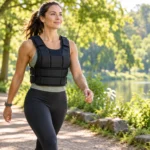
A weighted vest is a fitted garment with pockets or built-in compartments that hold small weights across the torso. Unlike carrying dumbbells or wearing ankle weights, it keeps the extra load close to your body and distributes it around your chest and back. For walking, that added resistance can make your usual route feel more demanding without changing the basic movement.
Weighted-vest walking is sometimes grouped with rucking, though rucking often involves carrying a loaded backpack over longer distances or varied terrain. A vest usually keeps weight more evenly balanced and leaves your hands free. It can be used for an outdoor walk, a treadmill session, or a simple loop around the neighborhood.
The vest is optional equipment, not a requirement for a beneficial walk. Brisk walking already works your heart and lungs and helps build endurance. Adding weight may increase the effort, but it also adds stress to your legs, hips, back, and feet, so it makes sense to establish a comfortable walking routine first.
Potential Benefits of Walking With a Weighted Vest
A weighted vest can make a familiar walk more challenging by increasing the load your body moves with each step. Depending on the vest, walking speed, route, and individual, this may raise your heart rate and make your muscles work harder. The change can be useful when you want a modest progression without adding much time to your walk.
Your legs and hips help support and move your body, while your trunk muscles help you stay balanced under the added load. Walking with a vest may therefore make your regular movement feel more physically demanding. It is still different from a planned strength workout, which can target specific muscles with more control and progressive resistance.
Some people enjoy having a clear way to add variety to their routine. A vest can provide a new challenge on a flat route or help you notice how your body responds to a small increase in resistance. The most useful benefit may be consistency: if the equipment makes walking more engaging, you may be more likely to keep walking regularly.
How a Vest Can Affect Walking Effort and Endurance
The extra load may make your walk feel harder at the same pace, particularly on hills or stairs. You might breathe more heavily or tire sooner than you do without a vest. That response depends on several factors, including the vest’s weight, your walking speed, the terrain, and your current fitness level.
For that reason, don’t assume that a weighted walk is automatically better for endurance. A longer or brisker unweighted walk can also build aerobic capacity, and it may be more comfortable for some people. If your goal is to improve stamina, you can adjust duration, pace, or hills gradually before deciding whether added weight is appropriate.
Use the talk test to keep the effort manageable: during a moderate walk, you should generally be able to talk, though singing may feel difficult. If the vest makes it hard to speak, causes you to strain, or changes your stride, reduce the load or take it off. The aim is a controlled challenge, not a test of willpower.
Calories, Weight Loss, and Bone Health: What to Expect
Carrying extra weight may increase the energy your body uses during a walk, but the difference varies and should not be treated as a guaranteed shortcut to weight loss. Food intake, overall activity, sleep, health, and consistency also shape changes in body weight. A vest cannot replace sustainable habits or turn a short walk into a complete fitness plan.
Claims that a weighted vest will substantially increase calorie burn can be misleading when they ignore pace, distance, and the person wearing it. A heavy vest may make a session feel more intense, but it can also shorten the walk or make movement uncomfortable. For many people, a comfortable routine they can maintain is more valuable than chasing a higher calorie estimate.
The effect on bone strength is not guaranteed either. Bones respond to mechanical loading, but walking with a vest alone should not be considered a treatment or a proven way to prevent osteoporosis. If bone health is a concern, ask a clinician about appropriate exercise, especially if you have a diagnosis, a history of fractures, or balance concerns.
How to Choose a Comfortable Walking Vest
Look for a vest that fits snugly without restricting breathing or arm movement. Adjustable straps can help keep it from bouncing, while a front closure makes it easier to put on and remove. The weight should sit evenly across your torso rather than pulling strongly on one side or pressing uncomfortably on your shoulders.
A vest with removable weights gives you more flexibility than one with a fixed load. You can begin with less weight and adjust in small increments as your body adapts. Check that the weights stay securely in place while you walk, and choose material that feels comfortable against your clothing, particularly if you expect to wear it in warm weather.
Fit matters more than appearance or a high maximum load. Try the vest with a few minutes of easy walking before taking it on a longer route. If it rubs, shifts, pinches, or makes you hunch, adjust it or choose another design. A comfortable vest should allow you to move naturally and take it off quickly if needed.
Proper Form While Walking With a Vest
Stand tall with your head balanced over your shoulders and your gaze directed ahead. Let your arms swing naturally, keep your shoulders relaxed, and take a comfortable stride rather than reaching far forward with each step. The vest should stay close to your body, but it should not make you brace your neck or hold your breath.
Keep your walking pace smooth and controlled. Land comfortably through your foot and allow your steps to roll forward without forcing a dramatic heel strike or pushing off aggressively. If you notice your steps becoming shorter, uneven, or heavy, the added load or pace may be more than you can manage comfortably.
Pay attention to posture throughout the walk, not only at the start. A vest that is too heavy can encourage leaning forward, arching the lower back, or tightening the shoulders. If you cannot maintain your normal walking form, remove the vest or reduce the weight. Good form should feel sustainable, not rigid or strained.
How to Start Using a Weighted Vest
Start with a regular walking routine that feels comfortable without extra weight. When you introduce a vest, choose a very light load and wear it for only part of a short, familiar walk. This gives you a chance to assess how your breathing, balance, joints, and walking posture respond before making the session longer.
Keep your first weighted walks at an easy pace on level, predictable ground. Avoid combining several new challenges at once, such as a heavier vest, a steep hill, and a longer distance. After the walk, notice whether you feel ordinary muscle tiredness or pain, unusual soreness, or discomfort that affects how you move later in the day.
If the light load feels comfortable during and after several sessions, you can gradually extend the time you wear it. Change one factor at a time, such as duration or load, and give yourself recovery time between more demanding walks. There is no need to increase the weight on a fixed schedule; progress should reflect how your body is responding.
Best Practices for Weighted-Vest Walking
Treat vest walks as a variation in your routine, not something you need to wear on every walk. You can alternate between regular walks and weighted sessions to manage effort and make it easier to notice how you feel. Keep the vest for the portions of the route where your footing is predictable and you can maintain a relaxed pace.
Choose shoes that fit well and suit the surface, and make sure the route is safe and familiar. Uneven ground, slippery paths, and crowded areas may become harder to navigate with extra weight. Carry water when appropriate, dress for the weather, and take breaks if you feel overheated or your breathing becomes unusually difficult.
It can help to track a few simple details, such as the vest load, time worn, route, and how the session felt. Use that information to make sensible adjustments rather than relying on a generic workout plan. If a walk feels harder than expected, repeating the same load or returning to an unweighted walk is a reasonable choice.
Common Mistakes to Avoid
Starting with a heavy vest is one of the easiest ways to make a normal walk feel unnecessarily difficult. More weight is not automatically more effective, and a demanding load can change your stride or make your joints uncomfortable. Begin light, and let comfort and control guide any increase rather than comparing your vest to someone else’s.
Another mistake is increasing both distance and resistance at once. If you are walking farther than usual while also wearing a vest, it may be difficult to tell what caused fatigue or soreness. Keep the rest of the workout familiar when introducing the vest, and avoid using it to push through pain, exhaustion, or poor form.
Some people wear a weighted vest for every daily task, assuming that more hours will produce better results. That approach can add strain without giving you a clear way to manage intensity or recover. Use the vest intentionally for selected walks, remove it when you feel uncomfortable, and allow unweighted movement to remain part of your routine.
Who Should Be Cautious With a Weighted Vest?
Anyone with persistent joint, back, neck, or foot pain should get individualized advice before adding a vest. Extra load may aggravate existing symptoms or affect balance and walking mechanics. The same caution applies if you have had a recent injury, surgery, or fall, or if a health condition affects your mobility or ability to exercise safely.
People with heart or lung conditions, significant balance concerns, osteoporosis, or other medical conditions should discuss the idea with a healthcare professional. Pregnancy can also change balance and comfort, so ask your clinician before using extra resistance. A physical therapist or qualified exercise professional can help determine whether a vest is suitable and how to introduce it.
Stop the session if you develop sharp or worsening pain, dizziness, chest discomfort, unusual shortness of breath, or a feeling that you may lose your balance. Remove the vest and seek appropriate medical advice for symptoms that are severe, persistent, or concerning. A weighted walk should feel like manageable exercise, not a reason to ignore warning signs.
Conclusion
A weighted vest can add resistance to a familiar walk and make the session feel more demanding. Its effects depend on the load, fit, route, pace, and your individual health, so it is best viewed as an optional way to vary a walking routine rather than a shortcut to fitness.
Start with an established unweighted walking habit, use a light load for a short session, and maintain a natural stride. Choose a vest that feels secure and comfortable, and adjust gradually only when your body is responding well.
Walking without a vest remains a valuable form of exercise. If you have pain, a health condition, balance concerns, or uncertainty about added resistance, ask a healthcare professional for guidance before using one. Comfort, consistency, and safe movement matter more than wearing a particular amount of weight.
FAQs
Is walking with a weighted vest good for beginners?
Beginners should first build a comfortable walking routine without added weight. Once regular walks feel manageable, a very light vest used briefly may be an option, provided it does not affect posture, breathing, balance, or comfort.
How heavy should a weighted vest be for walking?
There is no ideal starting weight for everyone. Choose a very light, adjustable load that lets you walk normally, and increase only gradually if several sessions feel comfortable during and afterward.
Can a weighted vest help with weight loss?
It may increase the effort of a walk, but weight loss depends on broader, sustainable habits and individual factors. A vest is not a guaranteed calorie-burning shortcut and should not replace regular activity or appropriate nutrition.
Should I wear a weighted vest on every walk?
No. You can use it for selected walks and keep other walks unweighted. Alternating sessions makes it easier to manage effort and notice whether the added resistance is comfortable for you.
Can a weighted vest hurt your back or knees?
It can aggravate discomfort or change your walking mechanics, especially if the load is too heavy or the fit is poor. Stop if you develop pain, and consult a healthcare professional if symptoms persist or you have an existing condition.