Understanding what causes tightness behind the knee is important for finding appropriate relief and preventing further discomfort. The right approach depends on your symptoms, activity level, and whether the tightness occurs with pain or swelling. This guide explores common causes, effective home remedies, gentle stretches, and warning signs that deserve medical attention.
What Does Tightness Behind the Knee Mean?
Tightness behind the knee refers to a pulling, stretching, pressure-like, or stiff sensation around the back of the knee joint. Some people experience discomfort when straightening their legs, while others notice stiffness during bending or walking. The sensation can develop gradually or appear suddenly after exercise, prolonged sitting, or an unexpected movement.
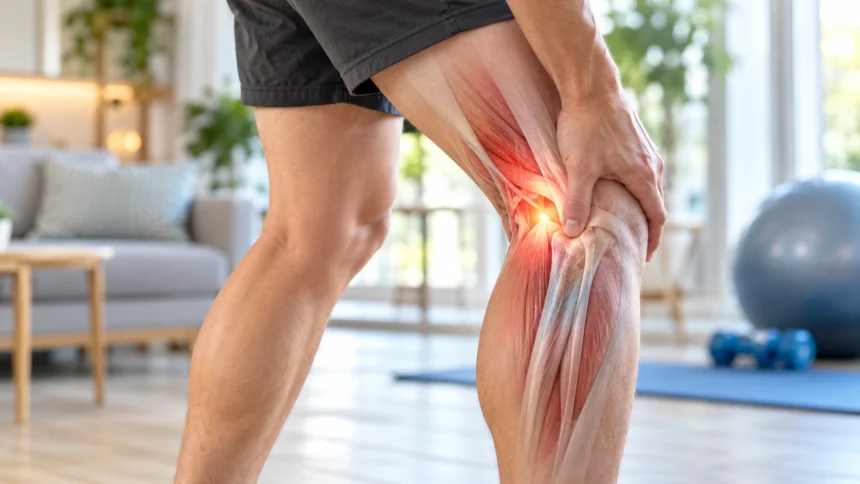
The area behind the knee contains several important structures, including muscles, tendons, ligaments, nerves, and blood vessels. These structures work together to support normal knee movement and stability during daily activities. When surrounding tissues become irritated, swollen, or unusually tense, they can create a feeling of restriction or pressure.
Not everyone experiences posterior knee tightness in the same way, and the accompanying symptoms can provide useful clues. Mild muscle stiffness may improve with rest and gentle movement, while joint problems can cause persistent discomfort. Swelling, warmth, noticeable lumps, or difficulty bearing weight may indicate a condition requiring professional medical evaluation.
Common Causes of Tightness Behind the Knee
Several conditions can cause tightness behind the knee, ranging from temporary muscle fatigue to problems involving the knee joint. Overuse, sudden increases in activity, and repetitive movements are common contributing factors. However, identifying the underlying cause often requires considering where the discomfort occurs, how it started, and which movements make it worse.
Muscle strains are especially common among people who run, cycle, exercise regularly, or perform repetitive physical activities. The hamstrings and calf muscles connect around the back of the knee and help control leg movement. When these muscles become fatigued or strained, they can produce a noticeable pulling sensation behind the joint.
Other possible explanations include fluid accumulation, inflammation, cartilage injuries, arthritis, and tendon irritation. Occasionally, tightness may be related to nerve irritation or a circulation problem rather than the knee itself. Because these conditions require different treatments, persistent or unexplained symptoms should not automatically be attributed to ordinary muscle tightness.
Hamstring and Calf Muscle Tightness
The hamstrings are a group of muscles running along the back of the thigh and connecting around the knee. They help bend the knee and control movements such as running, walking, and jumping. When hamstring muscles become tight or strained, people may feel pulling behind the knee, particularly when straightening the leg.
Calf muscles can also contribute to tightness in this area because the gastrocnemius crosses the back of the knee joint. Activities involving repeated pushing, climbing, or running can place extra stress on this muscle. A strained calf may cause discomfort extending from the upper calf toward the back of the knee.
Muscle-related tightness often develops after unfamiliar exercise, sudden movement, or prolonged inactivity followed by physical activity. Mild cases may improve with reduced activity and comfortable movement over several days. However, a sudden painful sensation, significant weakness, bruising, or difficulty walking may suggest a muscle injury that needs medical assessment.
Baker’s Cyst and Fluid Buildup Behind the Knee
A Baker’s cyst, also called a popliteal cyst, is a fluid-filled swelling that develops behind the knee. It forms when excess joint fluid collects in a pocket at the back of the joint. People may notice fullness, pressure, or a lump that becomes more uncomfortable when bending or fully straightening the leg.
Baker’s cysts often develop alongside conditions that irritate the knee joint, including arthritis and meniscus injuries. Some cysts cause only mild stiffness, while larger ones can restrict movement and create noticeable swelling. The pressure may become more apparent after prolonged standing, walking, or physical activity that aggravates the underlying joint condition.
Treatment generally focuses on addressing the reason fluid is accumulating rather than simply reducing the visible swelling. Small cysts may improve as the underlying irritation settles, while persistent symptoms sometimes require medical treatment. Sudden calf pain or swelling needs prompt evaluation because a ruptured cyst can resemble a blood clot.
Knee Joint Problems That Cause Tightness and Stiffness
Knee joint conditions can produce tightness behind the knee even when discomfort seems concentrated in the surrounding muscles. Osteoarthritis, for example, can cause stiffness, swelling, and reduced flexibility as joint tissues change over time. Symptoms may become noticeable after inactivity or periods of increased physical activity, particularly when bending or straightening the knee.
A meniscus injury is another possible cause, especially when symptoms begin after twisting or rotating the knee. The menisci are cartilage structures that cushion the joint and help distribute pressure during movement. Damage may cause pain, swelling, catching, or a sensation that the knee cannot move freely through its normal range.
Tendon irritation around the back of the knee can also create discomfort during repeated movements. Hamstring tendons and the popliteus muscle-tendon unit help stabilize the joint, particularly during controlled bending and rotation. When irritated, these structures may produce localized tenderness, stiffness, or discomfort that worsens during certain activities.
Why Tightness Behind the Knee Happens After Exercise
Experiencing tightness behind the knee after exercise is relatively common, particularly after activities involving repeated knee bending or forceful leg movements. Running, hiking, cycling, and strength training place demands on muscles and tendons surrounding the joint. A sudden increase in training intensity or duration can leave these tissues feeling fatigued and uncomfortable.
Exercise-related muscle soreness may develop several hours after unfamiliar activity and become noticeable the following day. This delayed soreness can affect the hamstrings and calves, creating a temporary sense of stiffness around the knee. Unlike an acute injury, ordinary muscle soreness usually improves gradually and does not typically cause major joint swelling.
Preventing exercise-related discomfort involves increasing activity gradually and allowing enough recovery between demanding sessions. Comfortable warm-up movements can prepare the legs for more strenuous activity, while rest helps overloaded tissues recover. If discomfort becomes sharper, repeatedly returns during exercise, or affects normal walking, consider a healthcare assessment before resuming intense activity.
Tightness Behind the Knee When Bending or Straightening
Tightness behind the knee when bending can occur when swollen tissues or irritated structures limit comfortable joint movement. Fluid accumulation, including a Baker’s cyst, may create a sensation of pressure during deep knee flexion. Some individuals also experience discomfort when squatting, kneeling, or bringing the heel toward the buttock.
Difficulty straightening the knee may have a different explanation, particularly when shortened or strained muscles resist the movement. Hamstring tightness can make full extension feel uncomfortable, especially after prolonged sitting or demanding exercise. However, a meniscus injury or significant joint swelling can also interfere with straightening, sometimes creating a feeling that the knee is blocked.
Pay attention to whether movement causes gentle stretching discomfort, sharp pain, or mechanical catching inside the joint. These details can help a clinician distinguish muscular problems from injuries involving cartilage or other structures. Never force a knee through a painful or blocked movement, especially after a recent injury or sudden swelling.
Tightness Behind the Knee After Sitting or Sleeping
Prolonged sitting can make the back of the knee feel stiff because the joint remains bent for an extended period. Muscles surrounding the knee may temporarily feel less flexible when movement resumes. This sensation can become particularly noticeable after long drives, desk work, or sitting in one position without taking regular movement breaks.
Morning stiffness may also occur when the knee has remained relatively still throughout the night. Mild stiffness that improves after comfortable movement can sometimes be associated with ordinary muscle tension or joint irritation. However, persistent morning stiffness, especially with swelling or warmth, may indicate inflammation or another underlying condition requiring medical attention.
Changing positions regularly can help reduce stiffness associated with prolonged inactivity. Gentle walking, comfortable leg movements, and avoiding unnecessarily long periods in one position may improve mobility. New one-sided leg swelling or pain after prolonged immobility should not be dismissed as routine stiffness because it may indicate a blood clot.
How to Relieve Tightness Behind the Knee at Home
For mild tightness without concerning symptoms, temporarily reducing activities that aggravate discomfort can support recovery. Avoid movements that produce sharp pain, but maintain comfortable daily movement when possible. Complete inactivity is rarely necessary for uncomplicated stiffness, and gentle walking may help preserve mobility without placing excessive stress on irritated tissues.
Cold therapy can be helpful when tightness follows a minor injury or occurs alongside mild swelling. Apply a cold pack wrapped in a towel for approximately 15–20 minutes at a time, allowing the skin to return to normal temperature between applications. Avoid placing ice directly against the skin, and stop if unusual numbness or irritation occurs.
Elevating the leg during rest may reduce minor swelling, while gentle support can sometimes improve comfort following an uncomplicated strain. A compression sleeve should never feel tight enough to cause tingling, discoloration, or increased discomfort. Avoid massage or compression if a blood clot is suspected, and seek medical advice rather than relying on home treatment.
Gentle Stretches and Exercises for Knee Tightness
Gentle stretching may help when tightness behind the knee is related to uncomplicated hamstring or calf muscle stiffness. For a seated hamstring stretch, sit comfortably with one leg extended and your knee relaxed rather than locked. Lean forward slightly from your hips until you feel a comfortable stretch along the back of your thigh, then release.
A gentle calf stretch can also improve flexibility around the back of the knee. Stand facing a wall, place one foot behind the other, and keep the back heel on the ground. Lean toward the wall while maintaining a comfortable position, avoiding bouncing, sharp pain, or excessive pressure through the affected leg.
Simple knee mobility exercises can support comfortable movement without requiring strenuous activity. While seated, slowly bend and straighten your knee within a pain-free range, repeating the movement several times. Start with small, controlled motions and stop if swelling, catching, or discomfort increases; do not stretch an acutely injured or swollen knee without medical guidance.
How to Prevent Tightness Behind the Knee
Preventing recurring knee tightness often begins with maintaining a comfortable balance between physical activity and recovery. Gradually increase exercise duration, intensity, and frequency instead of making sudden changes to your routine. Regular movement can help muscles remain adaptable while reducing the likelihood of discomfort associated with abrupt increases in physical demand.
Strengthening the hamstrings, quadriceps, calves, and hip muscles may improve support around the knee joint. Appropriate exercises can help the legs manage everyday activities more comfortably and reduce unnecessary strain on surrounding tissues. A physiotherapist can recommend suitable movements when previous injuries, persistent pain, or mobility restrictions make general exercise difficult.
Daily habits can also influence how frequently stiffness develops, especially for people who spend long periods sitting. Taking regular movement breaks, wearing supportive footwear suited to your activities, and avoiding repetitive painful movements may help. If symptoms continue despite these changes, identifying the underlying problem is more useful than repeatedly stretching without knowing the cause.
When Should You Worry About Tightness Behind the Knee?
Mild tightness that improves with comfortable movement and reduced activity is often less concerning than symptoms that persist or worsen. Arrange a medical assessment if discomfort continues, repeatedly returns, limits walking, or follows a significant knee injury. Noticeable swelling, a persistent lump, painful catching, or an inability to fully move the joint also deserves evaluation.
Sudden swelling in one leg, especially with calf pain, warmth, tenderness, or skin discoloration, can indicate deep vein thrombosis. This condition involves a blood clot and requires urgent medical assessment rather than stretching, massage, or home remedies. Sudden breathlessness, chest pain, or fainting alongside possible clot symptoms requires immediate emergency medical care.
Seek urgent care if the knee becomes very swollen, hot, or red, particularly when accompanied by fever or severe pain. An inability to bear weight after injury, or a foot that becomes unusually cold, pale, or numb, also requires urgent attention. Recognizing these warning signs can help prevent delays in treating potentially serious conditions.
Conclusion
Tightness behind the knee can develop for several reasons, including hamstring stiffness, calf muscle strain, fluid accumulation, tendon irritation, and knee joint problems. The sensation may affect bending, straightening, walking, or standing after prolonged sitting. Understanding when symptoms began and what makes them worse can help identify whether the discomfort is likely muscular or requires medical assessment.
Mild cases often respond to temporary activity adjustments, comfortable movement, cold therapy when appropriate, and gentle flexibility exercises. Gradually building strength and maintaining regular movement can also help prevent recurring stiffness. However, repeatedly forcing stretches or exercising through significant pain may aggravate an underlying injury rather than improve recovery.
Persistent swelling, worsening pain, restricted movement, or an unexplained lump behind the knee should prompt professional evaluation. Sudden one-sided leg swelling, breathing difficulties, or severe symptoms require urgent attention. Choosing relief methods based on the likely cause is the safest approach to restoring comfortable knee movement and supporting long-term joint health.
Frequently Asked Questions (FAQs)
What causes tightness behind the knee without pain?
Tightness without pain may result from muscle stiffness, prolonged sitting, or mild joint irritation. Sometimes, a small Baker’s cyst can create pressure without significant discomfort. Persistent or unexplained tightness should be assessed.
How do you release tightness behind the knee?
For uncomplicated muscular stiffness, try gentle hamstring and calf stretches, comfortable walking, and temporary activity adjustments. Avoid forcing movement through pain. Swelling, injury, or suspected circulation problems require medical assessment before stretching.
Can a Baker’s cyst cause tightness behind the knee?
Yes, a Baker’s cyst can create swelling, fullness, or pressure behind the knee. Symptoms may become more noticeable during bending or straightening. Treatment depends on the cyst and its underlying cause.
Why does the back of my knee feel tight when walking?
Tightness while walking may involve hamstring or calf strain, tendon irritation, joint inflammation, or fluid accumulation. If walking causes worsening pain, swelling, instability, or difficulty bearing weight, arrange a medical assessment.
How long does tightness behind the knee take to go away?
Recovery depends on the underlying cause. Mild exercise-related stiffness may improve within a few days, while injuries or joint conditions can take longer. Seek medical advice if symptoms persist, worsen, or interfere with daily activities.