Your gluteal muscles support hip movement, stabilize your pelvis, and help maintain balance throughout the day. When these muscles become irritated, strained, or overworked, even simple movements can feel difficult. Fortunately, many cases of glute pain improve with appropriate rest, gentle movement, and targeted rehabilitation.
This guide explains the common causes of glute pain, symptoms to recognize, practical relief strategies, and warning signs that shouldn’t be ignored. You’ll also learn how to prevent recurring discomfort and understand when professional evaluation may be necessary.
What Is Glute Pain and Where Does It Occur?
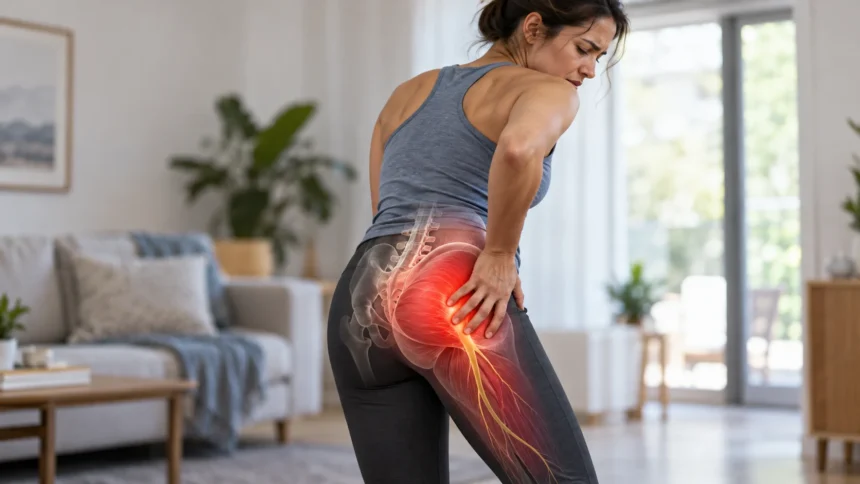
Glute pain refers to discomfort affecting the buttock region, including the muscles, tendons, joints, and nearby nerves. The gluteal area contains three major muscles: the gluteus maximus, gluteus medius, and gluteus minimus. These muscles work together to support hip extension, rotation, and pelvic stability. Pain can develop when surrounding tissues become strained, irritated, or injured.
The location of glute pain often provides useful clues about its possible cause. Some people experience discomfort deep inside one buttock, while others notice tenderness along the outer hip or near the lower back. Pain may remain in one spot or spread toward the thigh and leg. These patterns help healthcare professionals narrow down potential conditions.
Gluteal discomfort can appear suddenly after exercise or develop gradually from repetitive movements and prolonged sitting. Symptoms may range from mild muscle soreness to persistent aching that interferes with daily activities. Although occasional discomfort is common, pain that continues, worsens, or affects mobility deserves attention. Identifying contributing factors early can support a safer recovery.
Common Causes of Glute Pain
Muscle strain is among the most common causes of glute pain, particularly after intense exercise, sudden movements, or unfamiliar physical activity. Overstretching or overloading the gluteal muscles can irritate muscle fibers and surrounding tissues. Running, squatting, lifting, and climbing stairs may trigger discomfort when the muscles are not prepared for increased demands. Symptoms often include localized tenderness and stiffness.
Gluteal tendinopathy is another possible cause, especially when pain develops along the outer hip. This condition involves irritation or changes in the tendons that attach gluteal muscles to the thigh bone. Repetitive loading, sudden increases in activity, and prolonged compression can contribute to symptoms. Discomfort may become more noticeable when lying on the affected side or standing on one leg.
Other possible causes include irritation of the sciatic nerve, deep gluteal syndrome, sacroiliac joint problems, and pain referred from the lower back. Hip arthritis and certain hamstring injuries can also produce buttock discomfort. Because several conditions share similar symptoms, the exact cause cannot always be identified from pain location alone. A clinical assessment may be needed.
Glute Pain From Sitting for Long Periods
Sitting for extended periods can contribute to glute pain by placing sustained pressure on the buttock tissues. People who work at desks, drive frequently, or remain seated throughout the day may notice increasing stiffness and discomfort. Limited movement can also reduce opportunities for muscles and joints to change position. Symptoms sometimes become more noticeable when standing after prolonged sitting.
Prolonged sitting may aggravate existing conditions, including irritation of deep gluteal tissues or pain near the sitting bones. Some individuals experience discomfort around the ischial region, where the hamstring tendons attach to the pelvis. Others notice aching that extends toward the hip or lower back. Sitting-related pain does not necessarily mean the gluteal muscles are weak.
Changing positions regularly can help reduce unnecessary pressure and improve comfort. Consider standing, walking briefly, or adjusting your workstation throughout the day. A supportive chair and comfortable sitting posture may also help, although no single posture suits everyone. If discomfort persists despite these changes, further evaluation can identify whether another condition is contributing.
Glute Pain After Exercise or Physical Activity
Glute pain after exercise may result from delayed-onset muscle soreness, particularly when introducing new workouts or increasing resistance. This soreness typically begins several hours after activity and often peaks within one to three days. It can cause temporary tenderness, stiffness, and reduced comfort during movement. Symptoms usually improve gradually as the muscles recover from unfamiliar demands.
A muscle strain differs from ordinary post-exercise soreness because it may cause more localized pain during or immediately after an activity. Sprinting, heavy lifting, sudden direction changes, and forceful hip movements can contribute to strains. Some injuries cause weakness or discomfort when contracting the affected muscle. Significant swelling, bruising, or difficulty walking may indicate a more substantial injury.
Exercise-related glute pain should not automatically be treated by pushing through discomfort. Temporarily reducing painful movements can allow irritated tissues to settle while maintaining comfortable daily activity. Returning to exercise gradually helps muscles and tendons adapt to increasing demands. Persistent pain, worsening symptoms, or repeated injuries may benefit from assessment by a physical therapist or clinician.
Glute Pain and Sciatica: Understanding the Difference
Glute pain and sciatica can feel similar, but they are not necessarily caused by the same problem. Sciatica describes symptoms associated with irritation of nerve roots contributing to the sciatic nerve, usually originating in the lower spine. Pain may travel from the lower back or buttock into the leg. Tingling, numbness, and changes in sensation sometimes accompany the discomfort.
Muscular glute pain is more likely to remain localized, although it can also spread into nearby areas. Sciatic symptoms may follow a more recognizable pathway down the leg and occasionally reach the foot. However, these patterns overlap, and pain location alone cannot confirm nerve involvement. Changes in strength or sensation are important details to discuss with a healthcare professional.
Deep gluteal syndrome can also cause buttock pain with sciatica-like symptoms when structures in the buttock region irritate the sciatic nerve. Piriformis-related irritation is one possible contributor, but it is not the explanation for every case. Treatment depends on identifying the actual source of symptoms. Persistent radiating pain or neurological changes should receive medical evaluation.
Why Glute Pain May Affect Only One Side
One-sided glute pain can occur when a particular muscle, tendon, or joint experiences more strain than surrounding structures. Activities involving repeated weight shifting, running, or prolonged standing may place different demands on each side. Previous injuries and movement habits may also contribute. Pain affecting only the left or right buttock is not necessarily serious.
Pain concentrated around one outer hip may indicate gluteal tendinopathy or another condition involving nearby tissues. Discomfort closer to the center of the buttock may involve deep muscles, the sacroiliac region, or referred pain from the spine. Symptoms can become more noticeable when climbing stairs, rolling in bed, or standing on the affected leg.
Although muscle imbalances are sometimes discussed as causes of unilateral glute pain, they do not explain every case. A healthcare professional may examine hip strength, joint movement, nerve function, and activity patterns to understand the problem. Treatment is most effective when matched to the underlying condition. New or progressive weakness requires prompt assessment rather than self-diagnosis.
How to Relieve Glute Pain at Home
Many mild cases of glute pain improve with temporary activity modification and comfortable movement. Avoid repeatedly performing activities that clearly worsen symptoms, but prolonged bed rest is generally unnecessary. Gentle walking and regular position changes may help maintain mobility without placing excessive demands on irritated tissues. The appropriate level of activity depends on symptom severity and the suspected cause.
Cold packs may provide short-term comfort after an acute muscle strain, particularly when tenderness or swelling is present. Heat can sometimes ease stiffness or muscular tension in longer-lasting discomfort. Apply either through a protective cloth, using comfortable temperatures for short periods. Stop if symptoms worsen, and avoid applying extreme temperatures directly to your skin.
Over-the-counter pain relievers may be appropriate for some people, but medication safety depends on age, medical history, and other medicines. Follow product directions and seek guidance from a healthcare professional or pharmacist before use, particularly if you are under 18. Persistent symptoms should not simply be masked with medication. Identifying the underlying cause remains important for recovery.
Gentle Stretches That May Help Glute Pain
Gentle stretching may help when glute pain involves muscular tightness or temporary stiffness. A comfortable figure-four stretch, performed while lying on your back, can target muscles around the hip and buttock. Move slowly and remain within a pain-free range rather than forcing flexibility. Stretching should produce a mild sensation of tension, not sharp pain or neurological symptoms.
Another option involves bringing one knee gently toward your chest while lying comfortably on your back. This movement may ease some forms of lower-back and buttock stiffness. Hold only while the position remains comfortable and breathe normally throughout. Individuals with certain hip problems or nerve-related symptoms may find specific stretches aggravating, so responses should guide movement choices.
Stretching is not appropriate for every type of glute pain, particularly when irritated tendons are compressed or nerve symptoms increase. Aggressive stretching can sometimes worsen discomfort rather than improve it. If a stretch triggers shooting pain, tingling, or increased tenderness, stop the movement. A physical therapist can recommend exercises suited to your symptoms and functional needs.
Strengthening Glute Muscles for Long-Term Relief
Glute strengthening can improve hip function and help support everyday activities when exercises are selected appropriately. Strong, well-conditioned gluteal muscles contribute to walking, climbing stairs, and controlling pelvic movement. For certain conditions, progressive strengthening forms an important part of rehabilitation. However, strengthening exercises should reflect the cause of pain rather than follow a universal routine.
Glute bridges are one commonly used exercise that targets the muscles responsible for hip extension. They involve lying on your back with bent knees and gently raising your hips while maintaining comfortable control. Smaller movements or alternative exercises may be preferable when symptoms are sensitive. Stop if the exercise causes sharp or increasing pain.
Side-lying hip exercises, supported standing movements, and gradual resistance training may also be included in rehabilitation programs. Tendon-related pain often requires careful load management, with exercise difficulty increasing gradually according to tolerance. Progress is not always immediate, especially when symptoms have persisted for months. Consistent, individualized movement is generally more useful than repeatedly exercising through significant discomfort.
Glute Pain When Walking, Running, or Climbing Stairs
Walking-related glute pain may arise when muscles and tendons become irritated during repeated hip movement. Some individuals notice aching after longer distances, while others experience symptoms shortly after beginning activity. Pain may involve the outer hip, deep buttock, or lower-back region. The timing, location, and associated symptoms can help identify possible contributing factors.
Running places repeated demands on the gluteal muscles, which help stabilize the pelvis and control lower-limb movement. Sudden increases in training distance, intensity, or frequency can contribute to discomfort. Running technique, previous injuries, and tissue-loading capacity may also influence symptoms. Persistent pain should prompt adjustments to training rather than automatic assumptions about poor form.
Climbing stairs requires increased work from the hip muscles compared with walking on level ground. People with gluteal tendinopathy or certain hip conditions may notice discomfort when stepping upward or controlling the body while descending. Reducing repetitive aggravating activities temporarily may improve comfort. If walking becomes difficult or pain progressively limits mobility, seek clinical assessment.
Glute Pain at Night and During Sleep
Glute pain at night can disrupt sleep, particularly when lying on the affected side increases pressure on irritated tissues. Outer-hip tendon problems often become more uncomfortable in side-lying positions. Deep buttock discomfort may also worsen after remaining still for extended periods. Understanding which positions trigger symptoms can help identify practical ways to improve comfort.
Sleeping on your back with a pillow beneath your knees may reduce discomfort for some people. Side sleepers may benefit from placing a pillow between their knees to support a comfortable hip position. Avoid forcing yourself into a posture that increases pain. The most suitable sleeping arrangement depends on the affected structures and your personal comfort.
Nighttime glute pain does not automatically indicate a serious condition, especially when linked to pressure or certain positions. However, severe pain that remains constant, progressively worsens, or repeatedly wakes you without an obvious explanation deserves medical assessment. Fever, unexplained weight loss, or a history of cancer increases concern. A clinician can evaluate these symptoms appropriately.
When Should You Worry About Glute Pain?
Mild glute pain that improves with reduced strain and gentle movement is often manageable without urgent treatment. However, symptoms that persist beyond a couple of weeks, repeatedly return, or progressively interfere with daily activities warrant evaluation. Pain following a significant injury also needs attention. Severe discomfort or inability to bear weight requires more urgent assessment.
Seek emergency medical care if glute or lower-back pain occurs with new bladder or bowel control problems, numbness around the groin or saddle area, or severe or rapidly worsening leg weakness. These symptoms can indicate serious nerve compression. Sudden severe pain after significant trauma also needs urgent medical attention. Do not attempt to manage these warning signs with home exercises.
Other concerning symptoms include fever, unexplained swelling, redness, or increasing warmth around the painful area. Persistent numbness, tingling, and pain radiating down the leg should also be assessed, particularly when symptoms worsen. A clinician may recommend examination, physical therapy, or further investigation when appropriate. Early evaluation can help prevent avoidable complications.
How to Prevent Glute Pain From Coming Back
Preventing recurring glute pain often involves balancing physical activity, recovery, and gradual strength development. Sudden changes in exercise intensity can overload tissues that have not adapted to increased demands. Building activity levels progressively allows muscles and tendons time to respond. Adequate recovery between demanding sessions is equally important for maintaining comfortable movement.
People who sit for long periods can benefit from frequently changing positions and incorporating walking into their routine. Comfortable workstation arrangements may reduce sustained pressure on sensitive areas. There is no perfect sitting posture that prevents all pain, so variation is more useful than remaining rigidly upright. Regular movement supports general musculoskeletal health.
Addressing recurring symptoms may require an individualized exercise program that considers previous injuries, mobility limitations, and daily activities. Physical therapists can help identify tolerable movements and develop gradual strengthening plans. Consistency matters, but exercises should not repeatedly provoke significant pain. Understanding your personal triggers and adjusting activities can support more sustainable recovery.
Conclusion
Glute pain can develop for several reasons, including muscle strain, tendon irritation, prolonged sitting, and nerve-related conditions. Although the discomfort may affect daily movement, many mild cases respond well to appropriate activity changes, gentle mobility, and gradual strengthening. Understanding your symptoms and their triggers can help you choose sensible relief strategies without unnecessarily aggravating the affected tissues.
Because glute pain can originate from different structures, no single treatment works for everyone. Stretching may help muscular stiffness, while tendon-related conditions often benefit from carefully managed strengthening exercises. Persistent symptoms may require professional evaluation to identify the underlying problem. Paying attention to changes in pain, mobility, and sensation is an important part of recovery.
Most importantly, avoid ignoring worsening symptoms or warning signs such as progressive weakness, significant numbness, or new bladder and bowel problems. Seeking timely medical attention when necessary can help identify serious conditions. With appropriate care, gradual activity progression, and consistent movement habits, many people can return to comfortable daily activities and reduce recurring glute discomfort.
Frequently Asked Questions (FAQs)
What is the most common cause of glute pain?
Muscle strain, overuse, and irritation of surrounding tissues are common causes of glute pain. Prolonged sitting, gluteal tendinopathy, and problems involving the lower back may also contribute to buttock discomfort.
How long does glute pain usually last?
Mild muscular soreness often improves within several days, while strains and tendon-related conditions may take weeks or longer. Recovery depends on the underlying cause, symptom severity, and appropriate rehabilitation.
Is walking good for glute pain?
Gentle walking may help maintain mobility and reduce stiffness when symptoms are mild. However, walking should be adjusted if it increases pain, and severe or persistent discomfort should be medically assessed.
Can glute pain be caused by the lower back?
Yes, conditions affecting the lumbar spine can cause referred pain or nerve-related symptoms in the buttocks. Discomfort may also travel toward the thigh, calf, or foot, sometimes with tingling or numbness.
When should I see a doctor for glute pain?
Seek medical evaluation when pain persists, worsens, or interferes with normal activities. New severe weakness, bladder or bowel control changes, or numbness around the groin require immediate emergency medical attention.