

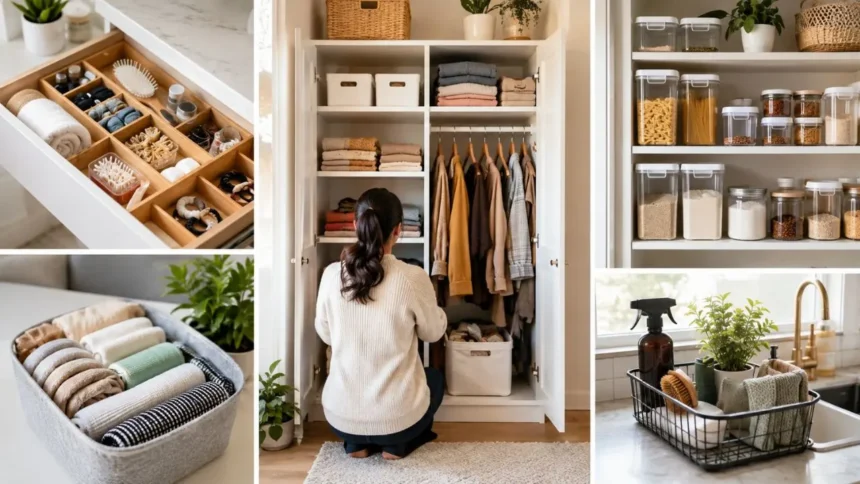
Organization Hacks: Simple Ways to Declutter Your Home
A cluttered home can make ordinary tasks feel harder than they need to be. When countertops are crowded, drawers will not close, and essential items keep disappearing, even simple routines can become frustrating. The good news is that you do not need expensive storage products or an entire free weekend to create a calmer, more organized home.
The most effective organization hacks focus on reducing excess, giving useful items a permanent place, and building habits that are easy to maintain. Instead of trying to create a picture-perfect home, the goal is to design practical systems that support your daily life. A well-organized space should make cooking, cleaning, working, relaxing, and getting ready noticeably easier.
Decluttering your home can also help you understand what you actually own and use. Many households repeatedly buy products because existing items are hidden behind clutter or stored in the wrong place. Once your belongings are visible and accessible, you can reduce unnecessary purchases, avoid waste, and make better use of the space you already have.
This guide shares realistic home organization ideas for busy households, small spaces, and anyone who feels overwhelmed by clutter. You will learn how to decide what to keep, organize every major room, maximize storage space, and create simple routines that prevent mess from returning. Each strategy can be adjusted according to your home, schedule, and personal needs.
Why Clutter Builds Up So Quickly
Clutter usually develops gradually rather than appearing all at once. Mail lands on a table, clothes remain on a chair, shopping bags collect near the door, and rarely used items fill available drawers. Because each object seems minor, it is easy to postpone dealing with it until several small piles become one overwhelming mess.
A lack of designated storage is another common reason clutter builds up. When keys, chargers, paperwork, cleaning products, and children’s items do not have assigned places, they naturally move between surfaces. Creating a specific home for frequently used belongings makes tidying faster because you no longer have to decide where each item should go.
Clutter may also result from keeping items for emotional or imaginary reasons. You might save clothes for a different lifestyle, kitchen tools for recipes you never make, or gifts because discarding them feels disrespectful. These belongings occupy real space even when they no longer contribute to your current routines, priorities, or happiness.
Modern buying habits can make the problem worse. Online shopping, promotional offers, subscription boxes, and low-cost household products allow possessions to enter the home faster than they leave. Effective decluttering therefore involves more than removing items once; it also requires paying attention to what you purchase and allow back into your space.
Start Decluttering with a 15-Minute Reset
One of the easiest organization hacks is to begin with a short, timed session instead of planning a full-day cleanup. Set a timer for 15 minutes and choose one visible area, such as a coffee table, kitchen counter, bathroom shelf, or bedside table. A small target gives you a clear finish line and reduces the urge to postpone starting.
During the reset, remove obvious rubbish, return misplaced items, and group similar belongings together. Avoid opening multiple cupboards or emptying an entire room because this can create a larger mess than you have time to finish. The purpose is to complete one manageable task and build enough momentum to continue later.
Short decluttering sessions are especially helpful for people with busy schedules, low energy, or limited attention. Fifteen focused minutes each day can produce noticeable results over a week without disrupting work or family responsibilities. Consistency often transforms a home more successfully than occasional cleaning sessions followed by long periods of inactivity.
Choose a regular time for your daily reset, such as after dinner or before going to bed. Walk through the main living areas, clear surfaces, put away frequently used items, and prepare the space for the next morning. This simple home organization routine prevents small messes from becoming stressful, time-consuming projects.
Use the Four-Category Decluttering Method
When sorting a crowded area, divide belongings into four categories: keep, donate, relocate, and discard. The keep category should contain items that are useful, regularly used, or genuinely meaningful. Assigning a purpose to each category keeps decisions moving and prevents you from simply shifting clutter from one corner to another.
Items placed in the donate category should still be clean, safe, and usable. Clothes with major damage, broken appliances, expired products, and incomplete items may create extra work for charities rather than helping someone. Place donation items in a bag or box and schedule a specific date to remove them from your home.
The relocate category is for useful belongings that are currently stored in the wrong room. A screwdriver in the kitchen, children’s toys in the bedroom, or paperwork on the dining table may need organization rather than disposal. Collect relocated items in one basket and return them to their assigned places after completing the sorting session.
The discard category includes rubbish, expired goods, damaged objects, and items that cannot be repaired or recycled responsibly. Check local recycling rules before throwing away electronics, batteries, paint, chemicals, or large household products. Responsible decluttering allows you to clear your space without creating avoidable environmental or safety problems.
Declutter Your Entryway to Reduce Daily Stress
The entryway is one of the most important areas to organize because it controls how items enter and leave your home. Shoes, coats, parcels, bags, keys, and mail often collect near the door. A cluttered entrance can make the entire house feel untidy, even when the remaining rooms are reasonably organized.
Begin by removing anything that is not used when leaving or entering the home. Seasonal clothing, extra shoes, unopened deliveries, and unrelated household products should be moved elsewhere. Keep only the items your household needs regularly, making sure each person has enough accessible space for their daily essentials.
Add simple storage solutions such as wall hooks, a narrow shoe rack, a small tray, or labelled baskets. Hooks use vertical space and prevent coats or bags from landing on chairs. A tray for keys and wallets makes important items easier to find, while baskets can hold umbrellas, pet supplies, or children’s outdoor accessories.
Create an incoming-item routine to stop clutter at the door. Open or sort mail immediately, recycle unnecessary packaging, and place important papers in a designated action folder. Returning shoes, bags, and keys to their assigned places each evening can make mornings calmer and reduce last-minute searches for essential belongings.
Organize the Kitchen Around Daily Habits
Kitchen organization works best when items are stored according to how often and where they are used. Keep everyday plates, glasses, cookware, and utensils within easy reach, while occasional serving dishes can occupy higher shelves. Storing equipment close to the task it supports reduces unnecessary movement and makes cooking more efficient.
Declutter cupboards by checking expiration dates, duplicate products, and food your household no longer enjoys. Group similar ingredients together so you can see what is available before shopping. Clear containers can be useful for frequently purchased dry goods, but they should simplify storage rather than create extra work or encourage unnecessary transfers.
Countertops should contain only appliances and tools that are used regularly. A crowded counter reduces food preparation space and makes cleaning more difficult. Store occasional gadgets in cupboards, donate unused appliances, and create a small station for related items, such as coffee supplies, breakfast foods, or daily cooking oils.
Use drawer dividers, shelf risers, turntables, and shallow baskets to make deep storage areas easier to manage. However, measure each space before purchasing organizers and declutter first. Buying containers before reducing excess often leads to organized-looking clutter, where unnecessary products remain hidden inside attractive boxes rather than leaving the home.
Simplify Bedroom and Closet Organization
A bedroom should support sleep and relaxation, but clothing, laundry, paperwork, and personal products can quickly turn it into a storage area. Begin by clearing the floor, bedside tables, and the top of any drawers. Removing visual clutter from these surfaces can make the room feel noticeably calmer before you tackle the closet.
When decluttering clothes, focus on fit, comfort, condition, and real-life use. Keep items that suit your current body, lifestyle, and climate rather than an imagined future version of yourself. Clothing that constantly needs adjustment, feels uncomfortable, or has remained unworn for several seasons may not deserve valuable closet space.
Arrange clothing by category so similar pieces remain together. Hanging shirts, trousers, dresses, and jackets in separate sections makes outfit planning easier and highlights unnecessary duplicates. Drawer dividers can prevent socks, underwear, and accessories from becoming mixed, while matching hangers can reduce visual noise and improve the use of hanging space.
Create a realistic laundry system that matches your household habits. Place a hamper where clothing is usually removed, keep a small basket for items that need repair, and decide where lightly worn clothing belongs. These simple organization ideas prevent the familiar chair or floor pile from becoming a permanent feature of the bedroom.
Make Bathroom Storage Easier to Maintain
Bathrooms often feel cluttered because many small products compete for limited cabinet and counter space. Empty shelves and drawers one section at a time, then check expiration dates and product condition. Dispose of old cosmetics, empty bottles, damaged tools, and products that caused irritation or are unlikely to be used.
Group bathroom essentials according to purpose, such as dental care, skincare, haircare, first aid, and cleaning supplies. Keeping related products together makes routines faster and prevents duplicate buying. Place daily items in the most accessible locations while storing backups and occasional products in less prominent areas.
Use shallow bins or drawer organizers to stop small items from shifting and disappearing. Containers work best when they are easy to remove, clean, and return. Avoid stacking too many products behind one another because hidden items are often forgotten until they expire or leak inside the cabinet.
Keep bathroom countertops as clear as possible to make daily cleaning easier. A small tray can contain regularly used products while giving the surface a more intentional appearance. After using an item, return it immediately rather than leaving everything out until the end of the week.
Create a Calm and Functional Living Room
The living room often serves several purposes, including relaxing, entertaining, playing, reading, and watching television. Because so many activities happen in one space, clutter can collect quickly. Begin by identifying the room’s main functions and remove anything that does not support those activities or belong there.
Use closed storage for visually busy items such as gaming equipment, toys, cables, remote controls, and craft supplies. Baskets, cabinets, and storage ottomans can reduce visual clutter while keeping frequently used belongings nearby. Avoid filling every available container because a small amount of empty space makes daily organization much easier.
Limit decorative objects to pieces you genuinely enjoy seeing. Too many ornaments, frames, cushions, and tabletop accessories can make cleaning difficult and reduce the impact of meaningful items. Rotating seasonal decorations allows you to enjoy variety without displaying every object at the same time.
Finish each day with a quick living-room reset. Fold blankets, return remote controls, clear cups, place toys in baskets, and straighten cushions. This routine may take only a few minutes, but it allows the room to remain comfortable and welcoming without requiring a major cleanup before guests arrive.
Organize a Home Office for Better Focus
A disorganized workspace can make it harder to concentrate, particularly when paperwork and unrelated household items compete for attention. Begin by clearing the desk completely, then return only the tools required for your regular work. A functional workspace does not need to be empty, but every visible item should serve a clear purpose.
Separate documents into categories such as action required, reference, filing, and shredding. Deal with time-sensitive papers first instead of creating one large pile to review later. Whenever possible, choose digital statements and scan important records, while maintaining secure backups and following appropriate document-retention requirements.
Control cables with clips, ties, or a small cable box, and label similar chargers when confusion is likely. Keep frequently used devices within reach and store occasional accessories in a drawer or container. Removing broken electronics and unidentified cables can free surprising amounts of space in a home office.
End each workday by closing unnecessary tabs, clearing dishes, reviewing tomorrow’s priorities, and resetting the desk. This simple boundary helps separate work time from personal time, especially when the office is located in a bedroom or living area. Starting with an organized workspace can also reduce morning distractions.
Maximize Storage in Small Spaces
Small-space organization requires using available areas carefully without making every wall and surface feel crowded. Look for underused vertical space above doors, behind doors, inside cabinet doors, and near the tops of closets. Wall-mounted shelves and hooks can increase storage without reducing valuable floor space.
Choose furniture that performs more than one function, such as an ottoman with hidden storage, a bed with drawers, or a bench with compartments. Multi-purpose furniture is most useful when the storage remains easy to access. Complicated systems often become neglected because retrieving or returning an item requires too many steps.
Under-bed storage can hold seasonal clothes, spare linens, or rarely used belongings, provided the containers are protected from dust. Label each box clearly so you do not need to open several containers to find one item. Avoid using hidden spaces for random clutter that you are unwilling to sort.
Leave some storage capacity unused whenever possible. Completely packed drawers and cupboards are difficult to maintain because each new item creates immediate overflow. A little breathing room allows belongings to be removed and returned comfortably, making the overall organization system more sustainable in a small home.
Follow the One-In, One-Out Rule
The one-in, one-out rule helps prevent decluttered areas from filling again. Whenever you purchase a new item, choose a similar item to donate, recycle, or discard. This method works especially well for clothing, shoes, mugs, toys, cosmetics, books, and other categories that tend to expand unnoticed.
The rule encourages more thoughtful purchasing because each new product carries a small decision. Before buying, consider whether the item solves a genuine problem, replaces something worn out, or offers enough value to justify its storage space. Delaying non-essential purchases for a day can reduce impulse buying significantly.
For rapidly growing categories, you may need a stricter one-in, two-out approach until the collection becomes manageable. This is particularly helpful when wardrobes, children’s toys, hobby supplies, or kitchen equipment already exceed the available storage. The goal is not deprivation but maintaining a comfortable balance between possessions and space.
Household members should understand the rule without feeling controlled by it. Discuss storage limits and decide together which categories need attention. Shared organization systems are more likely to succeed when everyone understands their purpose and can easily participate in returning, replacing, and removing belongings.
Build Simple Daily and Weekly Organization Habits
Daily habits should be quick enough to complete even when you are tired. Make the bed, clear kitchen counters, process incoming mail, return items after use, and complete a short evening reset. These tasks prevent visible clutter from spreading and reduce the time needed for weekly cleaning.
A weekly home reset can address laundry, paperwork, food storage, rubbish, and items that have moved into the wrong rooms. Choose a consistent day and involve other household members where appropriate. Assigning small responsibilities makes organization a shared routine rather than one person’s ongoing burden.
Monthly sessions can focus on areas that do not require daily attention, such as medicine cabinets, pantry shelves, digital files, children’s clothing, or household supplies. Reviewing one category each month prevents these areas from becoming overwhelming and allows you to notice expired products or changing storage needs.
Seasonal decluttering is useful for clothing, outdoor equipment, decorations, and bedding. Before storing one season’s items, remove anything damaged, unused, or outgrown. This approach prevents you from repeatedly packing and unpacking possessions that no longer serve your household.
Avoid These Common Decluttering Mistakes
Trying to organize the entire home in one day is one of the most common mistakes. Large projects create decision fatigue and may leave several rooms messier than before. Focus on one drawer, category, surface, or small zone at a time so every session produces a completed result.
Buying storage products too early can also slow progress. Containers may create the impression of organization while allowing excess belongings to remain. Declutter first, measure the available space, and then purchase only the organizers needed to improve visibility or accessibility.
Keeping every item “just in case” makes it difficult to create meaningful space. Consider how easy and expensive the item would be to replace, how long it has remained unused, and whether a realistic future need exists. Saving a few practical backups is different from storing large quantities of forgotten objects.
Do not create systems that require more effort than your normal routine allows. Folding every shirt in a complicated style or transferring every grocery item into a container may look attractive but become difficult to maintain. The best home organization hacks are simple enough to use consistently.
How to Maintain a Clutter-Free Home
Maintaining an organized home becomes easier when every frequently used item has a clear and convenient place. Storage should be located near the activity it supports, and returning an object should require minimal effort. When a system regularly fails, adjust the system instead of blaming yourself or your household.
Pay attention to clutter hotspots such as the dining table, kitchen island, entryway, and bedroom chair. These areas often attract items because they are accessible but lack boundaries. A tray, basket, hook, or daily clearing routine can prevent temporary placement from becoming permanent storage.
Review shopping habits before bringing new products home. Check whether you already own a similar item, where the purchase will be stored, and what problem it solves. Reducing the flow of possessions into your home is often easier than repeatedly organizing and removing excess later.
Remember that an organized home does not need to look untouched or perfectly styled. People live, work, cook, play, and rest in their homes, so temporary mess is normal. The goal is to create flexible systems that make resetting each space straightforward rather than eliminating every sign of daily life.
Final Thoughts on Decluttering Your Home
Decluttering your home is not about throwing away everything you own or following a strict minimalist lifestyle. It is about making space for the belongings, activities, and people that matter most. Removing unnecessary items allows useful and meaningful possessions to become easier to find, use, and appreciate.
Begin with a small area and complete it before moving to the next. Short sessions, clear sorting categories, practical storage, and regular resets can gradually transform even a heavily cluttered home. Progress may feel slow at first, but each finished space makes the following task easier.
Choose organization hacks that match your habits instead of copying systems designed for a different lifestyle. A family with young children will need different storage solutions from someone living alone in a small apartment. Your home should support your routines rather than forcing you to maintain an unrealistic standard.
The most successful organization system is one you can continue using without constant effort. Keep belongings visible, reduce unnecessary purchases, involve your household, and adjust storage when routines change. With consistent small actions, you can create a calmer, cleaner, and more functional home.
Frequently Asked Questions
What is the easiest way to start decluttering?
Start with one small, visible area such as a countertop, drawer, or bedside table. Set a 15-minute timer, remove rubbish, relocate misplaced items, and stop after completing that specific space.
How can I declutter my home without feeling overwhelmed?
Break the project into small rooms, categories, or storage zones rather than tackling everything at once. Complete short sessions regularly and avoid emptying more than you can sort and return on the same day.
What should I remove first when organizing a room?
Begin with obvious rubbish, expired products, damaged items, and belongings that belong elsewhere. Removing easy items creates space and confidence before you make more difficult decisions about sentimental or rarely used possessions.
How often should I declutter my home?
Complete quick resets daily, review common clutter areas weekly, and organize less-used storage spaces monthly or seasonally. Regular short sessions prevent clutter from becoming a large and exhausting project.
Do storage containers help reduce clutter?
Storage containers can improve visibility and access after unnecessary items have been removed. They cannot solve excess possessions, so declutter first and purchase organizers only when they support a clear storage purpose.