

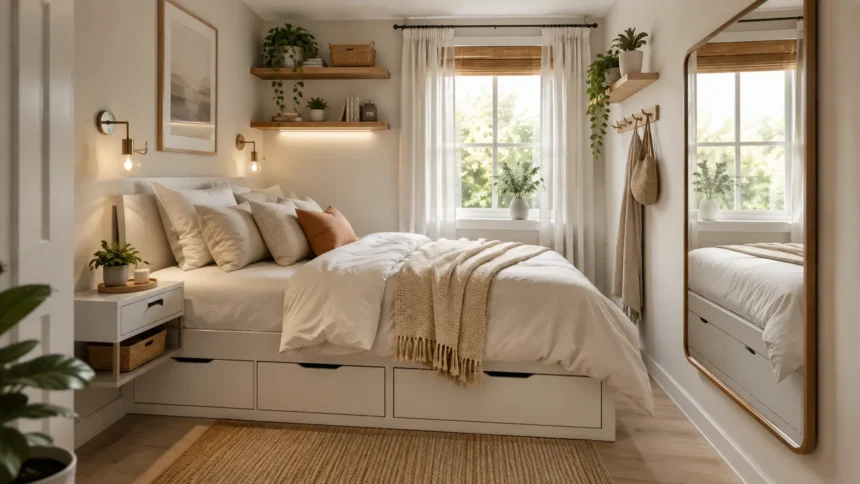
Small Bedroom Decorating Ideas: Stylish Ways to Maximize Space
A small bedroom can still feel comfortable, stylish, and surprisingly spacious when every design decision has a purpose. The best small bedroom decorating ideas focus on creating visual openness while making smart use of walls, furniture, lighting, and storage. Instead of trying to fit everything into a limited footprint, the goal is to choose pieces that support your daily routine without making the room feel crowded or overly decorated.
Decorating a compact bedroom is often less about the actual square footage and more about how the available space is organized. Furniture placement, color choices, vertical storage, mirrors, and even curtain height can influence how large a room appears. A thoughtfully arranged bedroom can feel calmer and easier to move around, even when there is only enough space for the essential furniture.
Small bedroom design also gives you an opportunity to be more intentional with your style. Rather than filling the room with numerous decorative items, you can focus on meaningful artwork, comfortable bedding, attractive lighting, and a few well-chosen accessories. This approach allows personality to come through without overwhelming the limited surfaces or making the space difficult to maintain.
Whether you are decorating a small master bedroom, guest room, apartment bedroom, or compact rental, practical choices can make a noticeable difference. This guide explores space-saving furniture, bedroom storage ideas, color schemes, lighting, mirrors, wall decor, layouts, and cozy styling techniques that help small bedrooms feel larger, more organized, and much more inviting.
Start With a Simple Small Bedroom Layout
Before buying furniture or accessories, consider how you actually move through the bedroom. The bed will usually occupy the largest area, so positioning it correctly can determine whether the rest of the room feels functional. Whenever possible, leave a clear walking path between the doorway, bed, wardrobe, and windows so that everyday movement does not feel unnecessarily restricted.
Placing the bed against the longest uninterrupted wall is often practical, but it is not the only solution. In extremely narrow bedrooms, pushing one side of the bed against a wall may create more usable floor space. In slightly larger rooms, centering the bed can provide better symmetry and allow smaller bedside tables or wall-mounted shelves on both sides.
Avoid filling every available corner simply because space exists. Empty floor area helps create visual breathing room and makes a compact bedroom feel less congested. Instead of adding extra chairs, benches, or storage units automatically, consider whether each piece serves a genuine purpose and whether another item could perform the same function more efficiently.
Sketching a simple floor plan before rearranging furniture can save considerable effort. Measure the walls, windows, doors, and major furniture pieces so you can understand exactly what will fit. Even small adjustments of several inches can improve circulation, create space for storage, or make the bedroom feel more balanced when viewed from the entrance.
Choose Light Colors to Make a Small Bedroom Feel Bigger
Light colors remain popular in small bedroom decor because they reflect more light and can create a softer, more open appearance. Warm white, cream, beige, pale gray, soft taupe, and muted pastels provide a flexible background that prevents compact rooms from feeling visually heavy. These shades also make it easier to introduce personality through bedding, artwork, and accessories.
A light bedroom does not need to look plain or clinical. Layering several related neutrals can create depth while keeping the overall palette airy. For example, cream walls can work with oatmeal bedding, warm wood furniture, beige curtains, and a slightly darker rug to create contrast without visually reducing the size of the room.
Soft colors such as sage green, dusty blue, blush, or pale terracotta can also work beautifully in compact bedrooms. Instead of choosing highly saturated versions, select muted shades that maintain a calm appearance. These colors introduce character while still supporting the relaxed atmosphere that most people want from a sleeping space.
If you prefer darker colors, you do not necessarily need to avoid them completely. Deep green, navy, charcoal, or chocolate brown can work as controlled accents on a headboard wall, bedding, cushions, or artwork. Keeping the remaining surfaces lighter helps balance the contrast and prevents the room from becoming visually enclosed.
Use Vertical Space for Smarter Bedroom Storage
When floor space is limited, walls become one of the most valuable areas in the bedroom. Tall bookcases, floating shelves, wall-mounted cabinets, and high storage units provide useful organization without occupying as much floor area as wide furniture. Vertical storage also draws the eye upward, which can make the room appear taller.
Floating shelves are particularly useful above desks, dressers, or bedside areas. They can hold books, small plants, framed photographs, or everyday essentials while keeping furniture surfaces clear. The key is to avoid covering every wall with shelving because too many visible objects can create clutter and make the room feel smaller.
Over-the-door organizers and wall hooks can provide additional storage for bags, accessories, robes, or hats. These solutions use spaces that might otherwise remain empty and are especially useful in rental bedrooms where large built-in storage is unavailable. Attractive hooks can also function as decorative details when they coordinate with the room’s hardware.
Tall wardrobes are generally more efficient than short, wide storage pieces because they make better use of ceiling height. If possible, select wardrobes that extend close to the ceiling or use boxes above existing cabinets. Keeping rarely used items higher up while everyday belongings remain within easy reach can significantly improve organization.
Pick Space-Saving Furniture That Works Harder
Furniture for a small bedroom should ideally perform more than one function. A bed with built-in drawers can store clothing or spare bedding, while a storage ottoman can provide both seating and hidden organization. Choosing multifunctional furniture reduces the number of separate pieces you need and helps preserve valuable floor space.
Slim bedside tables are another practical option. Traditional nightstands can be surprisingly wide, so narrow tables, floating shelves, or small wall-mounted cabinets may provide enough room for a lamp, phone, and book without crowding the bed. In very tight spaces, even a small stool can function as a flexible bedside surface.
A compact desk can double as a dressing table if you work from the bedroom. Pair it with a mirror above the surface and choose a stool that slides completely underneath when not in use. Combining functions in this way helps avoid squeezing both a desk and vanity into a room that cannot comfortably accommodate them.
Consider furniture proportions carefully rather than simply choosing the smallest pieces available. Too many tiny items can make a bedroom look fragmented and cluttered. One appropriately scaled wardrobe, bed, and storage piece often creates a cleaner appearance than several small cabinets, tables, and organizers competing for limited floor area.
Make the Bed the Main Focal Point
In most bedrooms, the bed naturally becomes the visual center, so decorating around it can simplify the entire room. Instead of attempting to create several competing focal points, focus on comfortable bedding, an attractive headboard, and perhaps artwork or lighting above the bed. This creates visual order and helps the room feel more intentional.
Choose bedding that complements the overall color palette without adding excessive visual weight. Solid colors, subtle stripes, small patterns, and softly textured fabrics generally work well in compact rooms. Layering a duvet, two or three cushions, and a lightweight throw can create a cozy look without covering the bed with unnecessary decorative items.
A headboard can add personality without requiring additional floor space. Upholstered, wooden, cane, or simple painted headboards provide visual structure and can make even a basic bed feel finished. In narrow rooms, avoid extremely thick or oversized headboards that project too far forward and reduce the available walking area.
The wall above the bed can complete the focal point with one substantial artwork, a small gallery arrangement, or decorative paneling. Keeping the design relatively simple prevents the room from feeling busy. One strong feature usually has more impact in a small bedroom than several unrelated decorative elements distributed across every wall.
Use Mirrors to Create More Light and Depth
Mirrors are among the most effective decorating tools for small spaces because they reflect both light and surrounding areas. A large mirror positioned opposite or near a window can make natural daylight travel farther into the room. This additional brightness often makes a compact bedroom feel more open and less visually enclosed.
Full-length mirrors can also provide practical value without occupying much floor space when mounted on a wall or wardrobe door. Mirrored wardrobe panels are especially useful because they combine storage with reflection. This eliminates the need for a separate standing mirror and keeps the room visually cleaner.
Round or organically shaped mirrors can soften bedrooms dominated by rectangular furniture. A mirror above a dresser or small desk can function as decoration while making that corner feel brighter. Thin wood, metal, or frameless designs generally work well because bulky frames may appear disproportionately heavy in limited spaces.
Avoid positioning mirrors randomly simply because they make rooms look larger. Think about what the mirror will reflect from different viewpoints. Reflecting daylight, artwork, plants, or an attractive section of the room creates a more pleasant result than doubling the visual presence of clutter or an overflowing wardrobe.
Keep Bedroom Window Treatments Light and Simple
Curtains can dramatically affect how tall and wide a small bedroom appears. Hanging curtain rods slightly above the window and extending them beyond the frame can make windows look larger. Floor-length curtains also encourage the eye to travel vertically, helping compact rooms feel taller and more elegantly proportioned.
Lightweight fabrics such as linen-look cotton or sheer panels allow daylight to enter while softening the appearance of the window. Warm white, beige, pale gray, or colors similar to the walls can create a continuous look. This reduces visual interruption and makes the walls appear broader than they actually are.
Privacy and sleep quality should still be priorities. If sheer curtains do not provide enough coverage, layer them with blackout blinds, roller shades, or lined curtain panels. This allows you to maintain an airy daytime appearance while creating the darkness needed for comfortable sleep at night.
Avoid excessively bulky curtains in very small rooms unless their dramatic appearance is intentional. Heavy fabrics, elaborate valances, and oversized curtain hardware can visually dominate narrow walls. Simple treatments generally create a cleaner result while leaving more attention for bedding, artwork, and other important bedroom features.
Add Small Bedroom Lighting Without Taking Up Space
Good lighting becomes especially important in compact bedrooms because dark corners can make the space feel smaller. Instead of relying entirely on one ceiling light, combine ambient, task, and decorative lighting. Layered illumination creates depth and allows you to adjust the atmosphere for dressing, reading, relaxing, or preparing for sleep.
Wall-mounted sconces are excellent alternatives to traditional bedside lamps because they leave nightstand surfaces free. Swing-arm designs can provide focused reading light while remaining close to the wall when not in use. Plug-in options can also be practical when permanent electrical installation is not possible.
Pendant lights positioned beside the bed can create a similar space-saving effect. Hanging them above narrow nightstands or floating shelves provides useful illumination while drawing attention upward. Choose appropriately scaled fixtures so they contribute style without making the room feel crowded or visually top-heavy.
Small table lamps can still work beautifully when adequate surface space exists. Ceramic, glass, wood, or fabric shades can add texture and warmth while producing softer evening light. Using warmer, comfortable illumination in the evening often makes a small bedroom feel intentionally cozy rather than simply compact.
Try Floating Nightstands and Wall-Mounted Furniture
Floating furniture visually increases floor space because you can see underneath it. Wall-mounted nightstands are particularly effective beside beds where traditional tables would restrict movement. Even a shallow shelf can provide enough room for a phone, glass of water, book, or small lamp while keeping the area beneath completely open.
Wall-mounted desks provide similar benefits in bedrooms that also function as home offices. A narrow fold-down desk can create a workspace during the day and disappear when it is no longer needed. This flexibility is valuable in studio apartments and small bedrooms where every piece of furniture must justify the space it occupies.
Floating cabinets can provide more storage while maintaining an uncluttered look. Installing them above floor level makes cleaning easier and creates the impression of greater openness. Choose simple fronts and colors that blend with the wall if you want the cabinets to feel less visually dominant.
Installation quality matters whenever furniture is mounted to a wall. Use appropriate fixings and ensure that shelves or cabinets are suitable for the intended weight. Well-secured wall furniture combines practicality with a streamlined appearance, making it one of the most useful strategies for decorating a genuinely compact bedroom.
Use Under-Bed Storage to Hide Everyday Clutter
The area underneath a bed often represents one of the largest unused storage opportunities in a small bedroom. Beds with built-in drawers can hold clothing, shoes, spare bedding, or seasonal items without requiring an additional dresser. This hidden storage keeps belongings accessible while reducing the amount of furniture needed elsewhere.
If your existing bed does not include drawers, shallow storage containers can provide a similar solution. Choose boxes that fit comfortably beneath the frame and can slide out easily. Lidded containers help protect items from dust and create a cleaner system than placing loose belongings under the bed.
Vacuum storage bags can be useful for bulky seasonal bedding, coats, or clothing that is not needed for several months. Compressing these textiles allows more items to fit into limited storage areas. Keep frequently used belongings in easier-to-access containers so daily organization does not become inconvenient.
Avoid treating under-bed space as an area where miscellaneous clutter simply disappears. Group belongings into clear categories and periodically remove items you no longer use. Organized hidden storage helps a small bedroom function smoothly, while uncontrolled storage eventually creates the same clutter problem in a less visible location.
Decorate Walls Without Making Them Feel Crowded
Wall decor allows you to add personality without using valuable floor space, but moderation is important. One large artwork above the bed, a small gallery wall, or several coordinated prints can create interest while maintaining visual order. Leaving some blank wall area helps individual pieces stand out and prevents the bedroom from appearing overloaded.
When creating a gallery wall, choose frames with related colors or materials to maintain cohesion. Artwork does not need to match exactly, but repeating themes, tones, or frame styles helps the collection feel intentional. In a small bedroom, compact arrangements often look better than spreading many small frames across an entire wall.
Wall-mounted decorative elements such as textile hangings, small shelves, or sculptural pieces can introduce additional texture. Natural materials including wood, woven fibers, and fabric can make the bedroom feel softer and more inviting. Use these elements sparingly so they complement rather than compete with storage and functional furniture.
Personal photographs, travel memories, illustrations, or meaningful artwork can prevent a compact bedroom from feeling generic. Small spaces benefit from thoughtful personalization because every detail is more noticeable. Choose pieces you genuinely enjoy rather than filling walls simply because empty space feels unfinished.
Add Texture Instead of Too Many Colors
Texture creates depth without requiring a large number of colors, making it ideal for small bedroom decorating. Linen bedding, woven rugs, soft throws, boucle cushions, wooden furniture, and cotton curtains can all contribute visual interest while staying within a simple palette. This approach keeps the room calm but prevents it from looking flat.
Layer smooth and tactile surfaces intentionally. A simple wooden bed may pair with crisp cotton sheets, a knitted throw, and a lightly textured rug. The contrast between materials helps each element remain visually distinct even when the colors are similar.
Natural materials are particularly effective because their subtle variations make compact rooms feel warmer and more relaxed. Rattan baskets, cane furniture details, wood grain, ceramics, and woven fibers can introduce character without strong patterns. These materials also work across modern, bohemian, Scandinavian, farmhouse, and minimalist bedroom styles.
Avoid using every available texture at once. Too many competing surfaces can create the same visual clutter as excessive colors. Select a few materials and repeat them throughout the room so the design feels cohesive rather than like a collection of unrelated decorating trends.
Create a Cozy Small Bedroom Without Making It Cluttered
Cozy design should come from comfort, warmth, and thoughtful layering rather than simply adding more belongings. Soft bedding, a rug beside the bed, warm lighting, curtains, and a few personal accessories can create an inviting bedroom without consuming much physical space. This distinction is especially important when decorating small rooms.
Choose one or two comfortable textiles to add warmth instead of covering every surface. A textured throw and a pair of cushions can transform the bed without creating unnecessary daily maintenance. Similarly, one soft rug may provide enough warmth underfoot without requiring several layered floor coverings.
Warm color accents can also create coziness. Terracotta, camel, rust, olive, muted mustard, and chocolate brown work well against cream, beige, or warm white backgrounds. Using these shades in small doses adds depth without making the entire bedroom feel darker.
Clutter control is essential for maintaining a peaceful atmosphere. Keep bedside tables relatively clear, use baskets or drawers for small belongings, and avoid leaving clothing on chairs or floors. A room feels more relaxing when the eye has places to rest, regardless of how small its actual dimensions may be.
Small Bedroom Decorating Ideas for Renters
Renters often need decorating strategies that create impact without permanent structural changes. Removable wallpaper, peel-and-stick wall decals, freestanding mirrors, lightweight artwork, and interchangeable textiles can transform a bedroom while remaining relatively easy to reverse. Bedding and curtains are particularly useful because they can introduce large areas of color without altering walls.
Freestanding storage can compensate for limited built-in wardrobes. Narrow shelving units, garment racks, under-bed boxes, and rolling carts provide organization while remaining portable. Choose storage pieces that fit the exact space available instead of purchasing large furniture that may be difficult to use in a future home.
Temporary hooks and removable mounting products can make wall organization easier where appropriate. They may help display lightweight accessories, artwork, or decorative pieces without drilling numerous holes. Always follow product instructions and consider the wall finish because removable products can behave differently on different surfaces.
Invest in items that can move successfully into another home. Quality bedding, lamps, mirrors, artwork, baskets, and compact furniture usually adapt more easily than highly customized pieces. This approach allows renters to create a personal bedroom while keeping major purchases flexible enough for changing living situations.
Small Bedroom Ideas for Couples
A compact bedroom shared by two people requires particularly thoughtful storage and circulation. Start by identifying which items both people use daily and ensure they remain easily accessible. Shared wardrobes can work better when internal storage is divided into specific zones rather than allowing clothing and accessories to accumulate without organization.
Matching bedside tables are not essential when space differs on each side of the bed. One person might use a narrow floating shelf while the other has room for a small cabinet. Coordinating color or material can maintain visual balance even when the furniture pieces are different sizes.
Beds with built-in storage can be especially useful for couples because clothing and bedding requirements are naturally greater. Divided drawers or labeled storage boxes make it easier to maintain individual belongings. A wardrobe with adjustable shelves, double hanging rails, or internal organizers can also increase capacity without increasing its footprint.
Keep decorative decisions relatively streamlined so the room reflects both people without becoming visually crowded. Choose a shared base palette and allow each person to contribute personal details through bedside accessories, artwork, or small objects. This creates individuality while maintaining a cohesive overall bedroom design.
Small Bedroom Ideas With a Desk
Many small bedrooms now need to accommodate studying or remote work, making desk placement an important design consideration. Look for unused wall areas beside windows, at the foot of the bed, or between wardrobes. A narrow desk can provide enough workspace without occupying the depth of a traditional office table.
Floating desks are useful when floor area is particularly limited. Some designs fold against the wall when not in use, allowing the bedroom to shift between working and relaxing functions. Pairing the desk with a stool or slim chair that fits underneath keeps circulation routes clear.
Use wall storage above the desk rather than adding a wide filing cabinet beside it. Shelves, pegboards, or wall-mounted organizers can keep books, stationery, and small work tools within reach. Maintaining a clear desktop also helps reduce the sense that the bedroom is permanently functioning as an office.
Try to visually separate work from sleep whenever possible. A compact desk positioned away from the bed, a distinct task lamp, or a small change in wall decor can establish a psychological work zone. At the end of the day, storing work materials out of sight can help the bedroom return to a calmer purpose.
Small Bedroom Decorating Mistakes to Avoid
One common mistake is purchasing furniture before measuring the room. A bed, dresser, or wardrobe that is only slightly too large can restrict movement and make every other decorating decision more difficult. Accurate measurements help you understand how much floor space remains once doors, drawers, and wardrobes are fully opened.
Another mistake is assuming that every piece of bedroom furniture is essential. Traditional bedroom sets may include two nightstands, a large dresser, chest, bench, and wardrobe, but compact spaces rarely need all of these pieces. Select furniture based on your actual storage requirements rather than following a predetermined collection.
Too many small decorations can also make the room appear more cluttered than it is. Numerous frames, ornaments, cushions, baskets, and accessories create many visual focal points within a limited area. Choosing fewer but more substantial pieces generally produces a cleaner and more sophisticated appearance.
Ignoring lighting and storage can undermine even an attractive design. A beautifully decorated bedroom quickly becomes frustrating if there is nowhere to place everyday belongings or insufficient light for dressing and reading. Function should guide decorating decisions so the finished space works comfortably as well as looking appealing.
Final Thoughts on Small Bedroom Decorating Ideas
The most effective small bedroom decorating ideas combine attractive design with practical use of limited space. A compact bedroom does not need to feel restrictive when furniture is properly scaled, storage is organized, and the room has clear walking paths. Thoughtful decisions can make even a modest footprint feel comfortable and intentional.
Start with the essentials before adding decorative details. Position the bed, solve your clothing storage needs, and determine whether you require a desk or additional furniture. Once the practical foundation works, you can introduce lighting, curtains, artwork, rugs, mirrors, and textiles without compromising everyday functionality.
Remember that visual simplicity does not mean creating a boring bedroom. Texture, warm colors, natural materials, personal artwork, and comfortable bedding can provide plenty of character. The key is allowing each feature enough space to be appreciated rather than attempting to decorate every available surface.
Ultimately, a successful small bedroom should support how you live, sleep, dress, relax, and organize your belongings. Choose furniture and decor that genuinely improve those activities instead of following trends that do not suit your space. With careful planning, even a very small bedroom can feel stylish, cozy, organized, and surprisingly spacious.
Frequently Asked Questions
How can I make a small bedroom look bigger?
Use light colors, mirrors, floor-length curtains, streamlined furniture, and good lighting. Keeping the floor visible and reducing unnecessary clutter can also make the room feel more spacious.
What colors are best for decorating a small bedroom?
Warm white, cream, beige, pale gray, sage, dusty blue, and other muted colors work well. Darker shades can still be used as accents to create contrast and personality.
Where should I put a bed in a small bedroom?
Place the bed where it allows the clearest walking route and easiest access to storage. The longest uninterrupted wall is often practical, although narrow rooms may require a different arrangement.
How do I add storage to a bedroom with very little space?
Use under-bed drawers, tall wardrobes, floating shelves, wall-mounted cabinets, over-door organizers, and multifunctional furniture. Vertical storage is especially useful when floor space is limited.
How do I make a small bedroom cozy without cluttering it?
Use comfortable bedding, one soft rug, warm lighting, textured fabrics, and a few meaningful accessories. Keep surfaces organized and limit decorative items so the room remains calm and inviting.