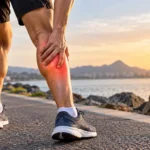
Toe cramps can appear suddenly and make one or more toes curl, tighten, or pull into an uncomfortable position. The muscles may feel hard for a few seconds or several minutes before gradually relaxing. Although occasional toe cramping is often harmless, repeated episodes can sometimes be connected to overuse, footwear, hydration, nerve irritation, circulation changes, or other health factors.
Understanding what triggers your cramps can make them easier to manage. Some people notice them after exercise, while others experience toe cramps at night or after sitting in one position for too long. Simple stretching, movement, and changes in daily habits may help, but persistent cramps accompanied by other symptoms deserve closer attention.
What Do Toe Cramps Feel Like?
A toe cramp is a sudden, involuntary contraction of the small muscles controlling the toes and foot. One toe may curl downward, several toes may pull together, or the entire forefoot can feel tight. The contraction can be mildly uncomfortable or surprisingly painful, especially when it begins without warning during rest or activity.
Most cramps last from a few seconds to several minutes. The affected muscles may remain tender or tired for a short period afterward, particularly after an intense contraction. Some people can see their toes visibly changing position while the cramp occurs, while others mainly notice a deep tightening sensation underneath the foot.
Occasional cramping does not automatically indicate a serious problem. However, the pattern matters, including how often cramps occur, whether they affect one or both feet, and what other symptoms happen at the same time. Repeated cramping with numbness, swelling, weakness, or persistent pain may require professional evaluation.
Common Causes of Toe Cramps
Muscle fatigue is one of the most common reasons for toe cramps. Walking longer distances than usual, exercising intensely, spending hours on your feet, or performing repetitive movements can tire the small muscles that stabilize the foot. When these muscles become fatigued, they may contract involuntarily and create a temporary cramping sensation.
Long periods of inactivity can also contribute. Sitting for hours with your feet in one position may leave the toes and ankles feeling stiff when you eventually begin moving again. Cramps may occur as the foot muscles suddenly start working after remaining relatively inactive for an extended period.
Other possible contributors include restrictive footwear, dehydration, nerve irritation, changes in circulation, and certain medical conditions or medications. Often, more than one factor is involved. Looking at when your cramps occur and what you were doing beforehand can provide helpful clues about the most likely trigger.
Exercise and Muscle Overuse
Exercise can trigger toe cramps when the muscles of the feet work harder than they are accustomed to. Running, hiking, dancing, jumping, or standing for long periods all place repeated demand on the toes and arches. Sudden increases in activity are particularly likely to produce fatigue when the feet have not had enough time to adapt.
Cramps can also develop when your toes repeatedly grip the ground or the inside of your shoes. This may happen during balance exercises, steep hiking, certain sports, or workouts performed barefoot. Excessive gripping can keep the small foot muscles contracted for long periods, increasing the chance of temporary tightness or spasm.
Gradually increasing activity can reduce this risk. Give your feet time to adapt to longer workouts, more difficult terrain, or unfamiliar exercise styles instead of making several large changes at once. Recovery, adequate footwear, and simple foot-strengthening exercises may also improve your ability to tolerate repeated activity.
Dehydration and Electrolyte Changes
Fluid balance plays a role in normal muscle function, which is why dehydration is often associated with muscle cramping. Heavy sweating during exercise or hot weather can reduce both body water and certain electrolytes. In some people, this may contribute to cramps in the feet, calves, or other muscles.
However, dehydration is not the explanation for every toe cramp. Muscle fatigue, nerve activity, training load, and individual susceptibility also play important roles. Drinking excessive amounts of water simply because your toes occasionally cramp is unlikely to solve every episode and may be unnecessary when your hydration is already adequate.
A more practical approach is maintaining normal fluid intake throughout the day and replacing fluids after substantial sweating. People who exercise for long periods in hot conditions may have different hydration needs from someone with a mostly sedentary routine. Frequent unexplained cramps should not automatically be blamed on electrolytes without considering other possible causes.
Tight Shoes and Foot Position
Shoes that crowd the toes can contribute to cramping by keeping the forefoot in a restricted position for extended periods. Narrow toe boxes, high heels, or shoes that are too short may force the toes to bend or overlap. This can increase pressure on small muscles and joints and make the feet feel tired after walking or standing.
High heels can be particularly demanding because they shift more body weight toward the front of the foot. The toes may grip inside the shoe to maintain stability, which increases muscular effort. Switching periodically to supportive footwear with more room for the toes may reduce unnecessary pressure and allow the foot to move more naturally.
People with toe deformities can be especially sensitive to restrictive footwear. Gentle mobility work, including appropriate hammer toe exercises, may support toe movement when the joints remain flexible. However, structural toe changes and persistent shoe-related pain should be assessed rather than managed only with stretching.
Can Nerve Problems Cause Toe Cramps?
Nerves control muscle contractions, so irritation or dysfunction affecting nerves can sometimes create cramping, twitching, burning, or unusual sensations in the feet. Nerve-related symptoms may originate locally around the foot and ankle or higher up in the leg or lower back. The exact sensation can vary considerably between individuals.
Toe cramps caused by nerve irritation may occur alongside tingling, numbness, altered sensitivity, or pain traveling through the leg. Certain positions may make these symptoms more noticeable, while simply stretching the toes may provide little lasting relief. This pattern differs somewhat from an ordinary cramp caused by temporary muscular fatigue.
If repeated toe cramps occur together with weakness, persistent numbness, burning sensations, or changes in coordination, consider seeking professional assessment. A healthcare provider can examine your strength, sensation, reflexes, and movement to determine whether a nerve-related issue may be contributing to the symptoms.
Circulation, Health Conditions, and Medications
Changes in circulation can sometimes cause discomfort or cramping in the feet and lower legs. Reduced blood flow may produce aching, heaviness, or cramping during walking that improves after stopping to rest. This type of pattern deserves medical attention, particularly when symptoms repeatedly appear after a similar amount of physical activity.
Certain medical conditions can also increase the likelihood of muscle cramps or unusual sensations in the feet. These may include conditions affecting nerves, circulation, metabolism, or muscle function. Persistent cramps are therefore more meaningful when they occur alongside other symptoms or in people with existing medical problems.
Some medications may contribute to muscle cramps in certain individuals as well. If toe cramps began soon after starting or changing a medication, discuss the timing with your healthcare professional rather than stopping treatment on your own. They can determine whether the medication may be involved and whether any adjustment is appropriate.
How to Relieve a Toe Cramp Quickly
When a toe cramp begins, gently stop what you are doing and try to relax the affected foot. Use your hands to slowly guide the cramped toes toward a neutral position without forcing them. Gentle movement is usually more helpful than aggressively pulling the toes, especially when the muscles are already contracting strongly.
Standing carefully and placing the foot flat on the floor may also help some cramps release. Slowly moving the ankle or gently walking for a short distance can encourage the muscles to change position. If standing increases pain, remain seated and continue with mild stretching until the contraction begins to settle.
Warmth may feel soothing after the cramp has stopped, particularly if the foot remains tense. Light massage can also help the surrounding muscles relax. Avoid digging deeply into a painful area or applying strong pressure if the foot is swollen, injured, or unusually tender.
Stretching and Strengthening for Prevention
Gentle toe and foot stretches can help maintain comfortable movement. Sit with your foot supported and slowly extend the toes away from a curled position until you feel mild tension. You can also stretch the calf because calf stiffness can influence ankle and foot movement during walking and exercise.
Strengthening the small muscles of the foot may improve endurance and reduce excessive fatigue during daily activity. Exercises such as controlled toe spreads, light towel scrunches, and heel raises can be useful when performed without pain. Start with a small number of repetitions and increase gradually rather than exhausting the muscles during each session.
Whole-leg strength matters as well because the hips, knees, ankles, and feet work together during movement. Squats, bridges, controlled calf raises, and balance exercises can help build lower-body capacity. A balanced routine is generally more useful than repeatedly stretching only the toes whenever cramps appear.
Nighttime Toe Cramps
Toe cramps can occur at night when the feet remain in one position for a long period. Sleeping with the toes pointed downward may shorten some muscles through the foot and calf, potentially making sudden contractions more noticeable. Cramps can also occur after a day involving unusually high levels of walking or standing.
Gentle ankle and toe movements before bed may help some people feel less stiff. A short calf stretch can also be comfortable if it does not trigger pain. Maintaining normal hydration throughout the day may be useful, but drinking large amounts of water immediately before sleep is not necessarily a solution.
Frequent nighttime cramps that repeatedly interrupt sleep deserve additional attention. Keep track of how often they happen and whether they are associated with numbness, weakness, swelling, or other symptoms. This information can help a healthcare professional determine whether the problem is simple muscle cramping or something requiring further assessment.
When Should You Worry About Toe Cramps?
Occasional cramps after exercise or prolonged standing are often temporary. However, cramps that happen frequently, become increasingly painful, or occur without any obvious trigger should not simply be ignored. Persistent symptoms can sometimes point to nerve, circulation, medication-related, or other underlying problems that require evaluation.
Seek medical advice if toe cramps occur with persistent numbness, muscle weakness, significant swelling, skin color changes, or ongoing foot pain. Wounds that heal poorly or changes in foot sensation are also important, particularly for people with diabetes or known circulation problems. These symptoms require more careful assessment than a typical short-lived muscle cramp.
Urgent medical attention is appropriate if severe foot or leg symptoms occur suddenly alongside chest pain, shortness of breath, fainting, or significant swelling in one leg. Although these situations are uncommon causes of ordinary toe cramping, they should not be treated at home. When symptoms seem unusual or severe, professional evaluation is the safer approach.
Best Practices for Reducing Toe Cramps
Start by looking for patterns in when your cramps occur. Consider whether they follow intense exercise, long periods of standing, restrictive footwear, dehydration, or prolonged sitting. Identifying a consistent trigger can make prevention more practical than simply reacting to each cramp once it begins.
Choose shoes that give your toes enough space to move and avoid spending excessive time in footwear that compresses the forefoot. Gradually build exercise intensity and include movement breaks during long periods of sitting. Maintaining normal hydration and eating a balanced diet also supports general muscle function without relying on unnecessary supplements.
If cramps continue despite sensible adjustments, keep a brief record of their frequency, duration, and associated symptoms. This can provide useful information during a medical or physiotherapy assessment. Recurrent toe cramps are often manageable, but persistent unexplained episodes deserve attention when they begin affecting sleep, walking, exercise, or everyday comfort.
Conclusion
Toe cramps are sudden muscle contractions that can be uncomfortable but are often short-lived. Common triggers include muscle fatigue, exercise changes, long periods of inactivity, restrictive footwear, and sometimes dehydration. Understanding what happened before the cramp started can help you identify patterns and make simple adjustments.
Gentle stretching, controlled movement, comfortable shoes, gradual exercise progression, and basic foot strengthening can help reduce recurring episodes in many people. Avoid forcefully pulling cramped toes or assuming that every cramp means you need more electrolytes. A balanced approach usually works better than focusing on one possible cause.
Frequent cramps accompanied by numbness, weakness, swelling, skin changes, or persistent pain require more careful evaluation. Seek medical attention when symptoms are severe, unexplained, or progressively worsening. Occasional toe cramps are common, but changes in their pattern can provide important information about your overall foot and lower-leg health.
FAQs
Why do my toes suddenly cramp and curl?
Sudden curling usually occurs when small foot muscles contract involuntarily. Exercise fatigue, prolonged positioning, restrictive shoes, dehydration, or nerve irritation can contribute, depending on when and how often the cramps occur.
How do I stop a toe cramp immediately?
Stop the activity and gently guide the toes toward a relaxed position. Light stretching, ankle movement, or careful walking may help the muscle release, but avoid forcefully pulling a painful toe.
Can dehydration cause toe cramps?
Dehydration may contribute to muscle cramping, especially after heavy sweating, but it is not the only possible cause. Muscle fatigue, footwear, activity level, and nerve factors can also play a role.
Are frequent toe cramps a sign of something serious?
Frequent cramps are not always serious, but repeated episodes with numbness, weakness, swelling, or circulation changes deserve medical assessment. The overall symptom pattern matters more than an occasional isolated cramp.
Why do my toes cramp at night?
Night cramps may be related to muscle fatigue, prolonged foot position, or activity earlier in the day. Gentle movement before bed may help, but persistent nighttime cramps should be discussed with a healthcare professional.