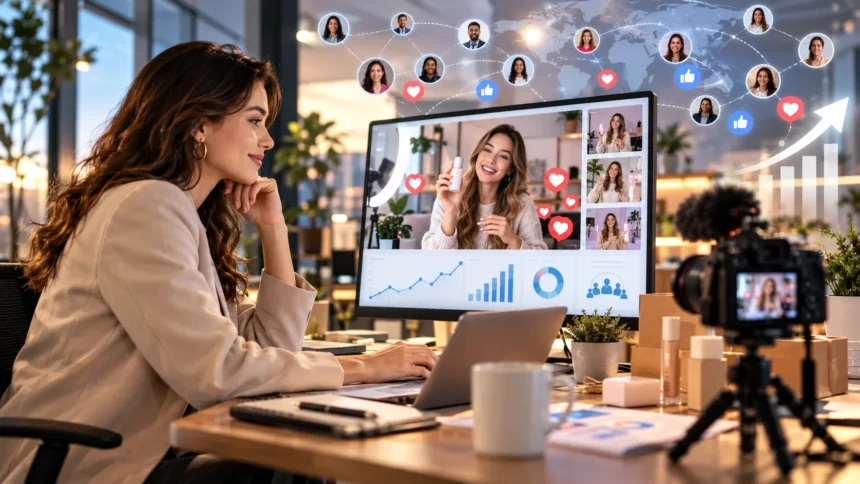
What Is Business Influencer Marketing?
Business influencer marketing is a strategy in which companies collaborate with influential individuals to promote their products, services, or brand messages. These influencers have established credibility and loyal audiences across social media platforms, blogs, and professional networks. Rather than relying entirely on traditional advertising, businesses use trusted voices to connect with potential customers in a more personal and engaging way.
Influencers can be industry experts, content creators, business leaders, or social media personalities who influence purchasing decisions. Their recommendations help brands reach audiences who already trust their opinions and expertise. This approach works particularly well when an influencer’s values, knowledge, and audience interests closely match the products or services being promoted by the business.
Business influencer marketing is not simply about paying someone to advertise a product. It involves building meaningful partnerships that support brand awareness, customer engagement, and long-term business growth. When managed effectively, influencer collaborations can strengthen brand credibility, encourage customer conversations, and introduce businesses to new markets without making promotional content feel overly commercial.
How Does Business Influencer Marketing Work?
Business influencer marketing begins when a company identifies individuals whose audiences match its ideal customer profile. The business then approaches selected influencers to discuss collaboration opportunities, campaign objectives, and promotional expectations. These partnerships may involve sponsored posts, product demonstrations, educational videos, customer testimonials, or other content that introduces the brand to relevant audiences.
Once an agreement is established, influencers develop content that reflects their personal communication style while communicating the brand’s message. Businesses usually share campaign guidelines, important product information, and clear expectations about deliverables. Successful collaborations allow influencers enough creative freedom to communicate naturally, making the content more relatable and useful to their established followers.
After the content is published, businesses evaluate campaign performance using engagement metrics, referral traffic, conversions, and customer feedback. Tracking results helps marketers understand whether their influencer partnerships are reaching the right people and encouraging meaningful actions. These insights also guide future collaborations, helping companies refine their influencer marketing strategy and improve overall campaign effectiveness.
Why Is Influencer Marketing Important for Businesses?
Influencer marketing helps businesses reach audiences through individuals who already have established relationships with their followers. Consumers often pay closer attention to recommendations from familiar content creators than to unfamiliar advertisements. When influencers genuinely understand and appreciate a brand, their recommendations can introduce products naturally while helping potential customers feel more confident about exploring the business.
Another important advantage is improved brand visibility across digital platforms where customers regularly spend time. Influencers can introduce businesses to niche communities that traditional marketing campaigns may struggle to reach efficiently. These targeted connections are particularly valuable for companies entering competitive markets, launching unfamiliar products, or expanding beyond their existing customer base.
Influencer partnerships can also support broader digital marketing efforts, including content marketing, social media engagement, and website traffic generation. Useful creator content may continue attracting attention after the original campaign ends. When businesses combine influencer collaborations with effective landing pages and customer experiences, they can turn increased awareness into lasting relationships and measurable business results.
Different Types of Influencers Businesses Can Work With
Nano-influencers typically have smaller audiences but often maintain close relationships with their followers. Their communities may be built around local interests, specialized hobbies, or particular industries. Businesses targeting specific customer groups can benefit from these partnerships because smaller creators frequently encourage genuine conversations, personalized recommendations, and meaningful audience participation rather than relying entirely on large follower counts.
Micro-influencers generally reach larger communities while maintaining a focused content niche and recognizable personal identity. They frequently specialize in areas such as technology, fitness, personal finance, lifestyle, or professional development. Brands often choose micro-influencers when they need targeted audience exposure, relevant subject knowledge, and engaging content without the investment typically associated with major celebrity endorsements.
Macro-influencers and celebrity influencers have much broader audiences and can introduce brands to substantial numbers of potential customers. They may suit product launches, national awareness campaigns, and major promotional events. However, large audiences do not automatically guarantee better results, so businesses should compare audience relevance, campaign costs, engagement quality, and marketing objectives before selecting an influencer category.
B2B vs. B2C Influencer Marketing: Key Differences
Business-to-business influencer marketing focuses on reaching professionals, decision-makers, and organizations that purchase products or services for commercial purposes. Companies often collaborate with industry analysts, consultants, executives, and subject matter experts who possess professional credibility. These partnerships commonly emphasize educational content, industry insights, webinars, case studies, and practical advice rather than direct promotional messages.
Business-to-consumer influencer marketing targets individual shoppers who make purchasing decisions based on personal preferences, needs, and experiences. Lifestyle creators, reviewers, entertainers, and niche specialists frequently introduce consumer products through demonstrations, tutorials, and everyday recommendations. Platforms such as Instagram, YouTube, and TikTok can be useful because visual storytelling helps audiences understand how products fit into their lives.
The biggest difference between B2B and B2C influencer campaigns often involves the customer journey and purchasing process. B2B buyers may require detailed information, internal approval, and multiple interactions before making decisions. Consumer campaigns can sometimes generate faster purchases, although both approaches depend on audience trust, relevant messaging, consistent communication, and a clear understanding of customer needs.
How to Set Goals for an Influencer Marketing Campaign
Every effective influencer marketing campaign begins with clearly defined business objectives that guide planning and measurement. Companies should determine whether they want to increase brand awareness, generate website traffic, attract qualified leads, or encourage product purchases. Choosing a primary objective helps marketers select suitable influencers, develop appropriate content, and evaluate campaign performance using meaningful indicators.
Brand awareness campaigns usually focus on visibility metrics such as reach, impressions, video views, and audience engagement. Lead generation campaigns may prioritize newsletter registrations, consultation requests, or completed contact forms. Businesses focused on sales can track purchases, conversion rates, average order values, and revenue associated with specific promotional links or discount codes.
Campaign goals should also be realistic, measurable, and connected to the company’s wider marketing strategy. Instead of simply aiming for more followers, a business might target additional qualified website visits within a defined campaign period. Establishing clear performance benchmarks makes it easier to manage expectations, compare results, and decide whether future influencer collaborations deserve additional investment.
How to Choose the Right Influencers for Your Business
Selecting the right influencer requires understanding the customers a business wants to attract and the problems those customers need solved. Marketers should examine audience interests, demographics, geographic location, and purchasing behavior before approaching potential partners. An influencer with a smaller but highly relevant audience may generate stronger business results than someone with thousands of unrelated followers.
Engagement quality is another important consideration when evaluating potential influencer partnerships for a marketing campaign. Businesses should review comments, audience conversations, posting consistency, and the relevance of previous brand collaborations. Genuine interaction usually reveals more about audience relationships than follower numbers alone, while unusually repetitive comments or suspicious engagement patterns may indicate unreliable audience activity.
Brand alignment should remain a priority throughout the influencer selection process because credibility affects campaign success. Businesses benefit from working with creators whose communication styles, personal values, and professional reputations complement their brand identity. Reviewing previous content and sponsored partnerships helps identify influencers who can communicate product benefits naturally without damaging audience trust or creating unrealistic customer expectations.
Building an Effective Business Influencer Marketing Strategy
A strong business influencer marketing strategy combines audience research, campaign planning, content development, and performance tracking into one organized process. Companies should identify their target market, understand customer interests, and choose promotional platforms that match audience behavior. This preparation helps ensure influencer collaborations support real business objectives instead of becoming isolated social media activities with unclear outcomes.
Content planning is equally important because promotional messages must fit naturally into an influencer’s existing content style. Businesses can explore product tutorials, expert interviews, educational discussions, customer stories, and behind-the-scenes experiences. Different formats serve different marketing purposes, so the most suitable approach depends on whether the campaign emphasizes awareness, customer education, trust building, or conversions.
Successful strategies also consider the timing, frequency, and duration of influencer collaborations. A single sponsored post may introduce a brand, while repeated partnerships can strengthen audience familiarity over time. Businesses should coordinate influencer content with website updates, email campaigns, and other marketing activities to maintain consistent messaging throughout the customer journey and make promotional efforts more effective.
How to Find and Approach Potential Business Influencers
Businesses can discover relevant influencers by researching social media hashtags, industry discussions, professional communities, and content related to their products. Searching platforms such as LinkedIn, Instagram, YouTube, and TikTok can reveal creators who regularly discuss topics connected to the brand. Influencer discovery platforms may also help marketers identify suitable partners using audience information and content performance indicators.
Before contacting an influencer, businesses should review their previous content and understand why a partnership could benefit both sides. Personalized outreach messages generally communicate more effectively than generic requests sent to dozens of creators. An introductory message should briefly explain the company, identify the collaboration opportunity, and highlight why the influencer’s expertise or audience makes the partnership relevant.
Once an influencer expresses interest, both parties should discuss campaign expectations, compensation, deadlines, and content requirements. Clear agreements help avoid misunderstandings about deliverables, approval processes, usage rights, and promotional disclosures. Maintaining respectful communication throughout the collaboration also supports stronger professional relationships and increases the possibility of future campaigns that benefit the influencer and the business.
Creating Authentic and Engaging Influencer Marketing Content
Authentic influencer marketing content helps audiences understand products through experiences, explanations, and useful recommendations rather than aggressive advertising. Businesses should encourage creators to communicate in ways that match their usual tone and audience expectations. When promotional content feels natural, viewers are more likely to pay attention, explore the featured brand, and consider whether its products meet their needs.
Educational content is especially valuable when businesses sell complicated products, professional services, or solutions that require careful evaluation. Influencers can explain common customer problems, demonstrate product features, and answer questions that potential buyers frequently ask. This type of content helps customers make informed decisions while positioning the business as a useful resource rather than another advertiser seeking attention.
Transparency is essential for maintaining trust in influencer partnerships and protecting the credibility of promotional recommendations. Sponsored relationships should be disclosed clearly, and creators should avoid unsupported claims about product performance or expected results. Businesses can improve content quality by sharing accurate information, encouraging honest opinions, and allowing influencers to discuss genuine experiences rather than repeating scripted advertising messages.
How Much Does Business Influencer Marketing Cost?
Influencer marketing costs vary depending on audience size, content requirements, platform selection, industry specialization, and the creator’s professional experience. Some influencers charge fixed fees for sponsored content, while others negotiate longer-term partnership agreements. Businesses may also encounter additional expenses for video production, content licensing, paid distribution, campaign management, and performance reporting throughout the collaboration.
Smaller businesses can begin with carefully selected niche influencers rather than investing immediately in expensive celebrity partnerships. Product gifting, affiliate arrangements, and modest paid collaborations may suit certain campaigns, depending on the creator’s preferences and the value exchanged. However, businesses should respect the work involved in content production and agree on fair compensation before expecting promotional deliverables.
A practical influencer marketing budget should account for both collaboration fees and the resources required to manage campaigns effectively. Businesses should reserve funds for content planning, tracking tools, and potential adjustments during campaign execution. Comparing total campaign costs against meaningful business outcomes helps decision-makers understand whether influencer partnerships are financially sustainable and worth expanding.
How to Measure Influencer Marketing ROI and Success
Measuring influencer marketing return on investment requires comparing campaign outcomes against the total amount spent on influencer collaborations. Businesses should first identify which results matter most, including sales revenue, qualified leads, customer acquisition, or brand exposure. Financial ROI can be calculated by subtracting campaign costs from attributable returns and dividing the result by total campaign costs.
Tracking tools make it easier to connect influencer activity with website visits, customer inquiries, and completed purchases. Companies can use unique referral links, campaign tracking parameters, promotional codes, and website analytics to evaluate individual collaborations. However, attribution is not always perfect because customers may encounter multiple marketing channels before purchasing, making careful interpretation of performance data essential.
Long-term influencer marketing success should also consider customer quality, repeat purchases, audience sentiment, and ongoing brand recognition. Some partnerships introduce customers who return regularly, while others mainly generate short-term attention. Reviewing results across multiple campaigns helps businesses identify stronger partnerships, adjust marketing investments, and improve their approach to influencer selection, content development, and customer engagement.
Common Influencer Marketing Mistakes Businesses Should Avoid
One common mistake is selecting influencers based entirely on follower counts without examining audience relevance or engagement quality. Large audiences may generate impressive visibility statistics but limited commercial value when followers have little interest in the promoted product. Businesses should prioritize customer alignment, creator credibility, and realistic campaign objectives instead of assuming that popularity automatically leads to sales.
Another mistake involves controlling influencer content so strictly that promotional messages become unnatural or disconnected from the creator’s usual style. Excessive scripting can reduce authenticity and make audiences less receptive to recommendations. Businesses should communicate important brand requirements while allowing reasonable creative flexibility, encouraging content that remains informative, engaging, accurate, and consistent with established audience expectations.
Failing to measure results or maintain professional relationships can also weaken the effectiveness of influencer marketing campaigns. Without clear performance indicators, businesses may struggle to identify successful collaborations or justify marketing expenses. Regular communication, transparent agreements, performance reviews, and thoughtful campaign adjustments help companies build sustainable partnerships that support continued growth rather than relying on disconnected promotional efforts.
Conclusion
Business influencer marketing helps companies connect with relevant audiences through trusted individuals who understand specific industries, interests, and customer needs. When businesses choose suitable creators and develop authentic promotional content, influencer partnerships can strengthen brand awareness and customer confidence. The effectiveness of this strategy depends on audience relevance, clear objectives, consistent communication, and a genuine commitment to delivering customer value.
Building a successful influencer marketing strategy requires more than finding popular social media personalities and paying for sponsored posts. Businesses need to research potential partners, establish realistic budgets, coordinate engaging content, and measure campaign performance carefully. These activities help marketers recognize which partnerships generate meaningful outcomes and where additional improvements can strengthen their overall digital marketing strategy.
As digital marketing continues to evolve, influencer partnerships can remain an important part of broader business growth efforts. Companies that prioritize credibility, transparent communication, and long-term customer relationships are better positioned to benefit from these collaborations. A thoughtful, measurable approach helps businesses turn influencer marketing from occasional promotional activity into a dependable channel for reaching potential customers.
Frequently Asked Questions (FAQs)
What is business influencer marketing in simple words?
Business influencer marketing is when companies work with trusted content creators or industry experts to promote products and services. It helps brands reach relevant audiences through recommendations, educational content, and authentic online conversations.
Is influencer marketing effective for small businesses?
Yes, influencer marketing can benefit small businesses when they partner with creators who reach their target customers. Niche influencers can help improve local awareness, customer engagement, website traffic, and sales opportunities.
Which social media platform is best for influencer marketing?
The best platform depends on your audience and business objectives. LinkedIn often suits B2B marketing, while Instagram, TikTok, and YouTube can work well for consumer products, tutorials, and visual campaigns.
How do businesses measure influencer marketing success?
Businesses measure success through website traffic, engagement, leads, conversions, and attributable sales. Tracking links, promotional codes, and analytics tools help marketers understand campaign performance and compare results against their marketing investment.
What is the difference between influencer marketing and traditional advertising?
Traditional advertising delivers promotional messages directly through paid media placements. Influencer marketing uses established creators to communicate brand messages through their content, combining paid promotion with audience relationships and personal credibility.