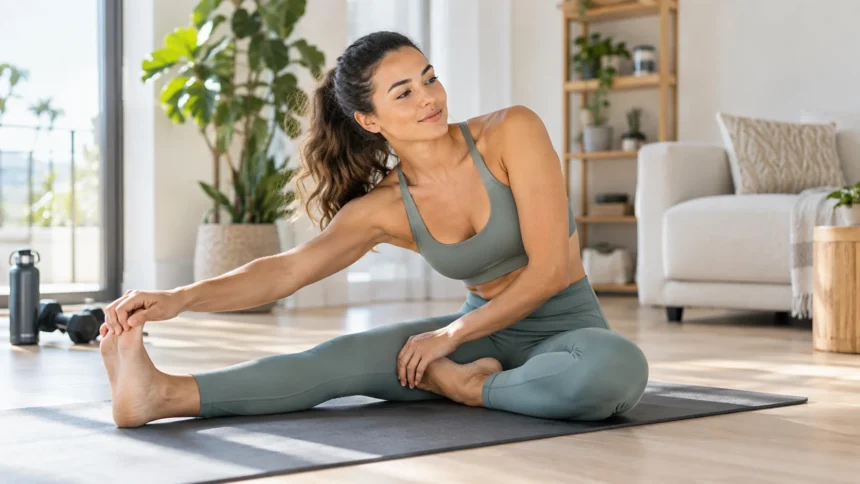
A daily stretching routine can help your body feel less stiff, move more comfortably, and maintain healthy flexibility over time. Whether you spend hours sitting at a desk, exercise regularly, or simply want to improve everyday movement, consistent stretching can support joint mobility and muscular comfort. The key is choosing simple stretches and performing them with controlled, pain-free technique.
Stretching does not need to take an hour or involve complicated positions to be useful. A short routine targeting your neck, shoulders, back, hips, and legs can fit easily into your morning, evening, or workout schedule. Understanding proper stretching form, timing, breathing, and progression can help you build a routine that feels sustainable instead of becoming another task you eventually abandon.
What Is a Daily Stretching Routine?
A daily stretching routine is a planned series of movements designed to gently lengthen muscles and move joints through comfortable ranges of motion. Depending on your goals, it may include static stretches, dynamic movements, or a combination of both. The routine can be performed separately or added before and after other types of physical activity.
Static stretching involves holding a comfortable position for a short period, usually without bouncing or forcing the movement. Dynamic stretching uses controlled, repeated movements that gradually take a joint through its available range. Each approach serves a slightly different purpose, which is why many balanced mobility routines include elements of both types.
The best routine is usually one you can perform consistently without excessive discomfort or preparation. Five to fifteen minutes may be enough for many people when the stretches target areas that commonly become tight. Rather than chasing extreme flexibility, focus on smooth movement, relaxed breathing, and gradually improving how comfortably your body moves.
Benefits of Stretching Every Day
Regular stretching can help maintain or gradually improve flexibility by exposing muscles and surrounding tissues to comfortable ranges of motion. This may make everyday movements such as reaching, bending, turning, or getting up from a chair feel easier. Consistency is particularly useful because flexibility adaptations generally develop gradually rather than appearing after one long stretching session.
A stretching routine can also help reduce the temporary feeling of muscular stiffness associated with prolonged sitting or repetitive daily activities. Moving your shoulders, spine, hips, and legs provides a break from remaining in the same posture for hours. Many people find that gentle mobility work helps them feel more comfortable and aware of how they are holding their body.
Stretching can also complement strength training, walking, running, and other forms of exercise. Better movement awareness may make it easier to perform exercises through an appropriate range while maintaining control. However, stretching works best as one part of a balanced fitness routine that also includes resistance training, aerobic activity, recovery, and sufficient sleep.
How to Stretch With Proper Form
Good stretching form begins by moving slowly into a position rather than forcing your body toward the deepest possible range. You should usually feel mild to moderate tension in the target area without sharp, burning, or radiating pain. Keep the surrounding muscles as relaxed as possible and avoid competing with yourself to reach farther every session.
Breathing normally can make stretching feel more comfortable and prevent unnecessary tension. Take slow breaths while maintaining the position, allowing your body to settle naturally instead of holding your breath and bracing aggressively. If your breathing becomes difficult or you feel yourself straining, reduce the intensity until the stretch becomes easier to control.
Alignment also matters because compensating with another body part can change which muscles are being stretched. For example, arching your lower back excessively during a hip flexor stretch may reduce the intended effect around the front of the hip. Using smaller, controlled movements with good positioning is usually more productive than forcing a larger range with poor technique.
Simple Morning Stretching Routine
A morning stretching routine can begin with gentle neck movements to reduce stiffness after sleeping. Slowly turn your head from side to side, then tilt one ear toward the corresponding shoulder without pulling aggressively. Follow this with relaxed shoulder rolls and controlled arm circles to encourage movement through your upper back, shoulders, and surrounding muscles.
Next, include a standing or seated upper-body stretch by reaching your arms overhead while keeping your ribs comfortably controlled. Gentle side bends can help move the torso through lateral flexion, while slow trunk rotations encourage mobility through the upper and middle back. Keep each movement smooth and avoid twisting rapidly, particularly when your body still feels stiff.
Finish the morning sequence with hip and leg mobility. Try controlled hip circles, a gentle standing hamstring stretch, and a calf stretch against a wall or stable surface. These movements can prepare your lower body for walking, commuting, exercising, or simply spending more time on your feet throughout the remainder of the day.
Best Stretches for the Upper Body
Chest stretches can be helpful for people who spend significant time sitting, typing, or working with their arms in front of them. Place one forearm against a doorway or wall and gently rotate your torso away until you feel tension across the chest. Keep the shoulder relaxed instead of pulling it aggressively backward or forcing the joint into an uncomfortable position.
For the shoulders, bring one arm comfortably across your chest and use the opposite arm to provide gentle support. This stretch can target the rear shoulder area without requiring complicated equipment or positioning. You can also reach one arm overhead and bend the elbow for a controlled triceps stretch, provided the position feels comfortable around your shoulder.
The neck and upper back often benefit from gentle movement rather than aggressive pulling. Slowly tilt and rotate your head within a comfortable range while keeping your shoulders relaxed. Adding controlled upper-back rotations or a seated reach can make the routine feel more complete, especially after long periods of desk work, driving, or using a phone.
Best Stretches for the Hips and Legs
Hip flexor stretches can be particularly useful after extended periods of sitting. Begin in a comfortable split stance or half-kneeling position, gently tuck your pelvis, and shift forward slightly until you feel tension at the front of the hip. Avoid arching your lower back excessively because that can change the movement and reduce the focus on the intended muscles.
Hamstring stretches can be performed while standing, sitting, or lying down depending on your comfort level. Keep your spine relatively neutral and hinge from the hips instead of aggressively rounding forward. You do not need to touch your toes for the stretch to be effective, and a smaller range may provide more useful tension with better control.
Calf and glute stretches can round out your lower-body mobility work. A wall-supported calf stretch targets the back of the lower leg, while a gentle figure-four position can stretch muscles around the hips and buttocks. Pairing mobility exercises with strengthening movements such as the side plank exercise can also support a more balanced approach to flexibility and stability.
Dynamic vs. Static Stretching
Dynamic stretching involves moving repeatedly through a controlled range rather than holding one position for an extended period. Examples include leg swings, arm circles, walking lunges, and gentle torso rotations. These movements are commonly used before exercise because they can help prepare muscles and joints for the types of motion involved in an upcoming workout.
Static stretching involves moving into a comfortable position and holding it for a period of time. Common examples include hamstring, calf, hip flexor, chest, and shoulder stretches. Static stretches are often used after exercise or during separate flexibility sessions when the main goal is improving or maintaining comfortable range of motion.
Neither type of stretching is automatically better in every situation. Dynamic mobility work generally fits well before demanding physical activity, while longer static holds may be more appropriate afterward or at another time of day. Choosing the method based on your activity, goals, and comfort can make your stretching routine more practical and effective.
How Long Should You Stretch Each Day?
You do not need an extremely long stretching session to build a useful habit. Many people can cover the major muscle groups in approximately five to fifteen minutes by choosing several targeted movements. Shorter sessions performed consistently are often easier to maintain than occasional thirty- or sixty-minute routines that become difficult to fit into a normal schedule.
For static stretches, holding a comfortable position for roughly 15 to 30 seconds can be a practical starting point. You may repeat each stretch two or three times depending on your available time and goals. Rather than watching the clock obsessively, pay attention to whether you can maintain the position comfortably without bouncing, straining, or gradually losing proper alignment.
Dynamic stretches are usually performed for repetitions instead of long holds. Five to ten slow repetitions may be enough for movements such as arm circles, hip rotations, or controlled leg swings. Your routine can change depending on how your body feels, provided you continue prioritizing smooth technique and avoid forcing stiff joints suddenly through large ranges.
Common Stretching Mistakes to Avoid
Bouncing aggressively while stretching is a common mistake that can make it harder to control the movement. Rapid bouncing may push a muscle beyond the range you can comfortably manage and is usually unnecessary for general flexibility work. Move into each stretch slowly and use steady tension rather than trying to gain extra range through momentum.
Another mistake is believing that stretching must hurt to be effective. Mild tension is expected, but sharp or intense pain is a signal to reduce the range or stop the movement. Forcing uncomfortable positions repeatedly does not guarantee faster flexibility gains and may make your stretching routine harder to maintain consistently.
People also sometimes stretch one problem area repeatedly while ignoring the rest of their movement routine. Tightness can be influenced by activity level, strength, posture, recovery, and movement habits rather than flexibility alone. Combining stretching with strengthening, regular walking, varied positions, and general physical activity often provides a more balanced strategy for maintaining mobility.
Best Practices for Improving Mobility Over Time
Consistency is more important than trying to achieve dramatic flexibility changes in a few sessions. Choose a manageable number of stretches and practice them regularly while gradually increasing the comfortable range. Tracking how movements feel from week to week can help you notice progress without turning flexibility into a competition based entirely on how far you can stretch.
Strengthening muscles through their available range can also support better mobility. Exercises such as squats, lunges, bridges, controlled core work, and upper-body resistance movements help develop strength alongside flexibility. This combination can improve your ability to control the range you already have instead of focusing exclusively on passive stretching.
Your routine should also reflect your daily activities and individual needs. Someone who sits for most of the day may focus more on hip, chest, and upper-back mobility, while a runner may prioritize calves, hips, and hamstrings. Adjust the routine whenever necessary and seek professional guidance if ongoing pain or significant movement limitations make normal stretching difficult.
Conclusion
A daily stretching routine can be a simple way to maintain flexibility, reduce feelings of stiffness, and encourage more comfortable movement throughout the day. You do not need advanced poses or lengthy sessions to get started. A small selection of controlled stretches targeting major muscle groups can create a practical routine that fits around work, exercise, and everyday responsibilities.
Proper form makes stretching safer and more productive. Move gradually, breathe normally, avoid bouncing, and stop before mild tension becomes sharp or persistent pain. Combining static stretching with dynamic mobility work allows you to use different techniques depending on whether you are preparing for exercise, recovering afterward, or simply trying to move more freely.
For better overall mobility, combine stretching with regular strength training and general physical activity rather than relying on flexibility work alone. Start with a manageable routine and allow progress to develop gradually over time. A routine that takes ten minutes and gets performed consistently is usually more valuable than a complicated program that you rarely complete.
FAQs
Is it good to stretch every day?
Daily gentle stretching can be appropriate for many people when performed within a comfortable range. Keep the intensity manageable and adjust your routine if a particular muscle or joint feels unusually sore or irritated.
What is a good daily stretching routine for beginners?
A beginner routine can include gentle neck movements, shoulder stretches, chest opening, hip flexor stretches, hamstring stretches, and calf stretches. Five to ten minutes is enough to begin building a consistent habit.
Should I stretch in the morning or at night?
Either time can work depending on your schedule and goals. Morning mobility can help you start moving after sleep, while gentle evening stretching may feel relaxing after a day of work or physical activity.
How long does it take to improve flexibility?
Flexibility changes vary between individuals and usually develop gradually with consistent practice. You may notice certain movements becoming more comfortable within several weeks, while larger changes can require longer periods of regular stretching and mobility training.
Should stretching feel painful?
No. Stretching should generally create mild, controlled tension rather than sharp or intense pain. Reduce the range or stop the exercise if you experience pain, numbness, tingling, or other unusual symptoms.