

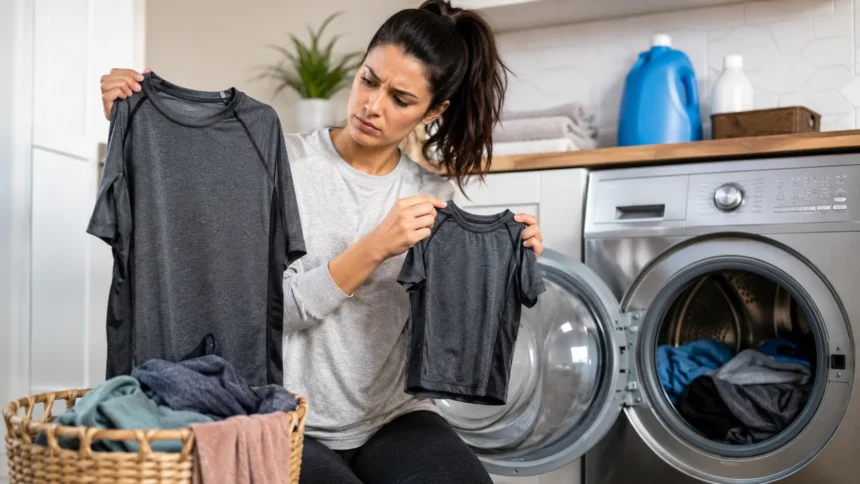
Does Polyester Shrink? What Happens in the Washer
Polyester is everywhere, from everyday T-shirts and workout clothes to jackets, bedding, uniforms, and home furnishings. Its popularity comes from its durability, wrinkle resistance, affordability, and ability to hold its shape after repeated use. However, one common question appears whenever people wash polyester clothing for the first time: does polyester shrink? The short answer is that pure polyester normally resists shrinking much better than natural fabrics such as cotton or wool. Still, temperature, washing methods, dryer settings, fabric blends, and garment construction can influence what happens after repeated laundry cycles.
Understanding how polyester reacts to water and heat can help you avoid accidentally damaging your favorite clothes. Polyester is a synthetic fiber designed to be dimensionally stable, which means ordinary washing usually causes very little noticeable shrinkage. Problems are more likely when the fabric is exposed to excessive temperatures, especially during machine drying or intentional attempts to shrink it. Polyester blends can behave differently because the other fibers in the fabric may respond strongly to heat or moisture. Knowing what is actually happening inside the washer makes it easier to choose the safest care routine for polyester garments.
Does Polyester Shrink? The Short Answer
Polyester generally does not shrink significantly under normal washing conditions because its synthetic fibers are highly resistant to moisture-related changes. Unlike cotton, which can tighten when its natural fibers swell and contract, polyester absorbs relatively little water during a wash cycle. That low moisture absorption helps the fabric maintain its original dimensions even after repeated laundering. A polyester shirt washed in cool or warm water will therefore usually come out almost the same size. Minor changes can occasionally occur because of garment construction, finishing treatments, or previous heat exposure. For most everyday clothing, however, polyester shrinkage is considerably less noticeable than shrinkage in natural fabrics.
Pure polyester and polyester blends should also be treated differently when discussing shrinkage. A garment labeled 100% polyester contains synthetic fibers throughout, so it normally provides the greatest resistance to dimensional change. A cotton-polyester blend may contain enough cotton to shrink slightly when exposed to hot water or high dryer temperatures. Similarly, polyester mixed with rayon, wool, or other sensitive materials can behave differently from pure polyester. The percentage of each fiber listed on the care label provides useful clues about how the garment might respond. This is why checking the fiber composition is important before deciding how aggressively you can wash or dry polyester clothing.
Heat is usually the biggest factor when polyester does change size. Polyester fibers are created using heat, pressure, and chemical processes that give them a stable structure, but extreme heat can eventually affect that structure. Very hot washing water may cause small dimensional changes, especially when combined with an equally hot drying cycle. The dryer often presents a greater risk because sustained high temperatures can soften, distort, or tighten synthetic fibers. In some cases, the garment may appear smaller without experiencing traditional fiber shrinkage. Seams, elastic components, prints, coatings, and blended fibers may contract differently and change the overall fit.
Normal polyester care rarely creates dramatic shrinkage after a single wash. If you wash polyester in cold or lukewarm water and use a gentle or normal machine cycle, the garment should generally keep its original shape. Drying it at a low temperature provides another layer of protection against unwanted size changes. Air drying is even safer when you are particularly concerned about maintaining the garment’s dimensions. Repeated exposure to moderate heat may gradually affect certain garments, although the change is often subtle. Proper washing and drying habits therefore make polyester one of the easier fabrics to maintain over time.
It is also important to separate actual shrinkage from other changes that make clothing feel smaller. A polyester garment can become slightly tighter because of damaged elastic, fabric distortion, twisting seams, or changes in how the material drapes. High heat may also cause polyester fibers to stiffen, making the garment feel less flexible than before. Clothing that has stretched during wear can sometimes return closer to its original dimensions after washing, creating the impression that it shrank dramatically. Measurements taken before and after washing provide a more accurate way to determine genuine shrinkage. In most cases, carefully washed polyester will show little measurable difference.
What Happens to Polyester in the Washer?
When polyester enters a washing machine, the fibers interact with water differently from highly absorbent natural materials. Polyester is hydrophobic, meaning it naturally absorbs relatively little moisture into the fiber itself. Water instead moves around the surface of the fabric while detergent helps loosen oils, sweat, dust, and other residues. Because the fibers do not swell dramatically, polyester tends to maintain its dimensions during ordinary washing. This characteristic is one reason polyester clothing can handle frequent laundering without losing its shape quickly. However, the combination of water temperature, agitation, detergent, and garment construction can still influence the final appearance.
Cold water is generally the safest choice when washing polyester because it cleans most everyday garments without placing unnecessary stress on synthetic fibers. Modern detergents are designed to work effectively at lower temperatures, so intense heat is rarely needed for normal laundry. Cool water also helps protect colors, printed designs, elastic components, and blended materials used alongside polyester. When washing athletic wear or dark polyester clothing, lower temperatures may reduce fading and premature fabric deterioration. A normal or gentle cycle usually provides enough agitation to remove common dirt and body oils. Always check the care label because specialized polyester garments may require slightly different treatment.
Warm water is also commonly suitable for polyester when additional cleaning power is needed. It may be useful for heavily worn shirts, uniforms, bedding, or garments exposed to greater amounts of sweat and body oils. Warm water does not normally cause major shrinkage when the temperature remains within the range recommended on the garment label. Problems become more likely when warm washing is immediately followed by prolonged high-heat tumble drying. Repeated heat exposure can gradually influence fibers, seams, elastic, and other garment components. Choosing moderate temperatures throughout the complete laundry process is therefore more important than focusing only on the washing machine.
Very hot water should generally be avoided unless the garment manufacturer specifically indicates that the fabric can tolerate it. Polyester is heat-sensitive compared with many people’s expectations because synthetic fibers can soften or distort under sufficiently high temperatures. Washing in extremely hot water may also weaken certain finishes, affect printed graphics, or damage stretch materials blended into the garment. The fabric may develop unusual wrinkles that become difficult to remove once excessive heat changes its structure. Hot washing can additionally accelerate color fading and reduce the lifespan of certain polyester clothing. Using the hottest possible setting is therefore rarely necessary for routine cleaning.
The mechanical action of the washer can affect polyester even when shrinkage is not occurring. Aggressive cycles may cause pilling, surface fuzziness, snagging, or friction damage, particularly on lightweight or loosely knitted polyester fabrics. Zippers, hooks, rough fabrics, and garments with decorative hardware can rub against polyester during the wash and create visible wear. Turning garments inside out may help protect printed surfaces and reduce friction on the outer fabric. Washing similar materials together can also reduce unnecessary abrasion during the cycle. Polyester may be durable, but thoughtful washing still helps preserve its smooth appearance, comfortable feel, and original fit.
Does Polyester Shrink in the Dryer?
The dryer is where polyester faces the greatest risk of heat-related changes because tumble drying combines continuous movement with concentrated warm air. Low dryer temperatures are generally safe for polyester garments when their care labels permit machine drying. The material dries relatively quickly because polyester fibers retain less water than many natural fabrics. This means you usually do not need a long, extremely hot drying cycle to remove moisture. Excessive drying can expose the garment to unnecessary heat long after it has already become dry. Using lower heat and removing clothing promptly can help preserve both size and fabric quality.
High heat may cause polyester fibers to soften, tighten, distort, or permanently develop unwanted creases. Although this effect is sometimes described as polyester shrinkage, the underlying process can differ from the shrinkage that occurs in cotton or wool. Synthetic fibers are thermoplastic, meaning they can respond physically when temperatures become sufficiently high. If a polyester garment is exposed to intense dryer heat repeatedly, its shape may gradually change. The garment may become shorter, tighter, or uneven in specific areas rather than shrinking uniformly. These changes can be difficult or impossible to reverse after heat has permanently altered the fiber structure.
Polyester blends are particularly important to watch in the dryer because different fibers may respond to heat at different rates. A shirt containing both cotton and polyester may shrink because the cotton component contracts while the polyester remains comparatively stable. The result can be subtle changes in length, width, sleeve shape, or overall drape. Polyester-spandex garments can also suffer when excessive heat damages the elastic fibers responsible for stretch and recovery. Once elastic fibers weaken, clothing may become loose, misshapen, or uncomfortable rather than simply smaller. Following the recommended tumble drying temperature is therefore especially important for blended fabrics.
Air drying offers the lowest-risk option when you want to avoid polyester shrinkage or heat damage entirely. You can hang many polyester shirts, dresses, athletic garments, and lightweight jackets on appropriate hangers after gently removing excess water. Heavier items may benefit from drying flat so their weight does not stretch the fabric while wet. Because polyester does not retain large amounts of moisture, it often dries much faster than thick cotton fabrics. Air drying can also reduce energy use while protecting prints, elastic, colors, and surface finishes. Proper airflow prevents garments from staying damp longer than necessary and helps maintain freshness.
If you prefer using a dryer, choosing a low-heat or synthetic setting provides a practical balance between convenience and fabric protection. Some machines include dedicated permanent-press or delicate settings designed to expose clothing to gentler temperatures. Removing polyester garments shortly after they become dry prevents unnecessary additional heat exposure. Overloading the dryer should also be avoided because crowded garments may dry unevenly and remain exposed to heat for longer periods. Dryer balls can help separate clothing and improve airflow without requiring extreme temperatures. Small adjustments to your drying routine can significantly extend the usable life of polyester clothing.
Can You Shrink Polyester on Purpose?
It is possible to make some polyester garments smaller through controlled heat exposure, but intentionally shrinking polyester is less predictable than shrinking cotton. Pure polyester has strong dimensional stability, so moderate washing temperatures may have little effect on the garment. People trying to shrink polyester usually rely on hotter water and higher dryer temperatures to influence the fibers. However, the same heat needed to produce noticeable shrinkage can also damage the material. The fabric may become stiff, shiny, wrinkled, distorted, or uneven instead of simply becoming one size smaller. Intentional shrinking should therefore be approached cautiously when the garment is valuable.
A polyester blend is often easier to shrink because the natural fiber portion may respond more strongly to heat and water. For example, a shirt containing cotton and polyester can experience noticeable contraction when washed and dried at elevated temperatures. The amount of shrinkage depends partly on how much cotton or another responsive fiber is present in the blend. A garment containing only a small percentage of natural fiber may still show limited change. Higher natural-fiber percentages can create more noticeable shrinkage, but the outcome may not be perfectly uniform. Reading the fabric composition label can help you estimate how responsive the garment might be.
Heat-based shrinking also carries risks beyond changing the overall dimensions of the garment. Printed graphics can crack, peel, fade, or become distorted when exposed to temperatures beyond their recommended range. Elastic waistbands and stretch panels may lose their recovery if high heat damages spandex or similar fibers. Adhesives used in logos, decorative patches, reflective details, and certain seams can weaken as well. Zippers, buttons, and synthetic trims may respond differently from the surrounding fabric and create puckering. A garment that becomes slightly smaller is not necessarily improved if several other components are damaged in the process.
If a polyester garment is simply too large, tailoring is often more reliable than attempting to shrink it. A tailor can reduce specific areas such as the waist, sleeves, shoulders, or length while preserving the fabric’s quality. Intentional heat treatment cannot target one area precisely and may create unwanted changes throughout the garment. Tailoring is particularly worthwhile for expensive jackets, dresses, uniforms, or clothing with complex construction. Even simple alterations can provide a more predictable fit than repeated hot washing and drying. The cost of alteration may also be lower than replacing a garment damaged by aggressive attempts at shrinking.
Before experimenting with intentional shrinkage, consider whether the garment might still be returnable, exchangeable, or adjustable through another method. Clothing sizes vary significantly between brands, and choosing a smaller size may solve the problem more effectively than modifying the fabric. Adjustable belts, drawstrings, layering, or minor sewing changes can sometimes improve fit without exposing polyester to damaging temperatures. If experimentation is unavoidable, gradual changes are safer than immediately choosing the highest possible heat. Check the garment after each controlled attempt rather than repeatedly applying extreme temperatures. Once polyester experiences permanent heat damage, restoring its original condition can be difficult.
How to Keep Polyester From Shrinking or Getting Damaged
The simplest way to prevent polyester shrinkage is to follow the care label attached to the garment. Manufacturers consider fiber composition, dyes, stitching, decorative elements, and construction methods when recommending washing temperatures and drying settings. Two garments that both contain polyester may therefore have very different care requirements. One shirt may safely tolerate normal machine washing, while another may require a delicate cycle because of its finish or blended fibers. Checking the label takes only a few seconds but can prevent permanent heat damage. It should be your first reference whenever you wash unfamiliar polyester clothing.
Using cold or lukewarm water provides an effective everyday approach for maintaining polyester garments. Lower temperatures reduce stress on synthetic fibers while still removing common dirt, sweat, and odors when used with suitable detergent. Avoid using more detergent than necessary because excess product can remain on polyester and create a dull or uncomfortable residue. Liquid detergent can work particularly well when washing synthetic athletic clothing because it dissolves easily in cooler water. Selecting a normal or gentle machine cycle can further reduce friction and surface wear. Together, these habits keep polyester clothing cleaner without relying on excessive heat.
Drying habits are equally important because the dryer may expose polyester to higher temperatures than the washing machine. Select low heat whenever the garment label permits tumble drying, and avoid leaving already-dry clothing inside a hot machine. Polyester usually dries quickly, so shorter cycles may be sufficient for lightweight shirts, pants, and activewear. Removing clothing while it is slightly damp can also reduce static and excessive wrinkling. The remaining moisture often evaporates quickly when the garment is hung in a well-ventilated area. Air drying remains the safest option when preserving fabric shape is your highest priority.
Separating laundry appropriately can protect polyester from physical damage that might otherwise be mistaken for fabric deterioration. Heavy denim, towels, garments with exposed zippers, and rough materials can rub against lightweight polyester during washing and drying. This friction may create pills, snags, fuzziness, or weakened surface fibers. Turning delicate polyester garments inside out adds another barrier against abrasion and helps preserve prints or decorative details. Mesh laundry bags can be useful for particularly lightweight or stretchy synthetic clothing. Proper sorting therefore protects the appearance of polyester in addition to reducing the possibility of heat-related damage.
Storage also affects how well polyester maintains its shape after washing. Make sure clothing is completely dry before placing it in drawers, closets, storage boxes, or garment bags. Lightweight polyester shirts and dresses can usually be hung, while heavier knitted items may maintain their shape better when folded. Avoid placing polyester garments against strong heat sources because prolonged elevated temperatures can influence synthetic fibers. Keeping clothing in a clean, dry environment also prevents odors and reduces the need for unnecessarily aggressive washing later. Good care between washes can extend garment life just as effectively as choosing the correct washing settings.
Do Polyester Blends Shrink Differently?
Polyester blends can shrink differently from 100% polyester because the additional fiber determines how the fabric responds to moisture, heat, and agitation. Manufacturers blend polyester with other materials to improve softness, breathability, stretch, durability, or cost. Cotton-polyester clothing is particularly common because cotton adds comfort while polyester improves wrinkle resistance and dimensional stability. However, cotton remains more vulnerable to shrinkage than polyester when exposed to hot washing and drying conditions. The final garment may therefore shrink somewhat even though polyester itself remains relatively stable. Fiber percentages are important when predicting the amount of possible dimensional change.
A 50/50 cotton-polyester blend generally resists shrinking better than a garment made entirely from cotton. Polyester helps stabilize the fabric and can reduce the overall amount of contraction after laundering. Nevertheless, high heat may still cause the cotton fibers to tighten enough to create a noticeable change in fit. The garment could become shorter or narrower, especially after repeated hot wash and dryer cycles. Pre-shrunk cotton used in some blends may reduce this effect, but it does not guarantee that no change will occur. Moderate washing and drying temperatures remain the safest choice for maintaining blended clothing.
Polyester and spandex blends require particular care because stretch fibers can be sensitive to heat. These blends are widely used in leggings, sportswear, fitted shirts, underwear, swimwear, and performance clothing. High temperatures may weaken the elastic properties of spandex, causing the garment to lose its original recovery and supportive fit. Instead of shrinking evenly, affected clothing may become loose, wavy, stretched, or distorted in certain areas. Cool water and low-temperature drying are usually better for preserving elasticity over repeated laundry cycles. Air drying can provide even greater protection for expensive or frequently worn performance garments.
Polyester-rayon blends can also behave differently from pure polyester because rayon is more sensitive to moisture and handling. Some rayon fabrics may shrink, stretch, weaken, or change shape when washed incorrectly, depending on how the fiber was manufactured and finished. The presence of polyester can improve durability, but it does not completely eliminate rayon’s care requirements. A garment containing a substantial amount of rayon may therefore need gentler washing than ordinary polyester clothing. High heat should be approached cautiously because both fabric appearance and dimensions can be affected. The garment label becomes especially important when dealing with this type of blend.
Other combinations, including polyester with wool, nylon, acrylic, or specialized performance fibers, create their own laundry requirements. Polyester-wool clothing may require gentle washing because wool can felt or shrink even when polyester remains stable. Nylon and polyester both resist significant moisture-related shrinkage, but extreme heat may still damage their synthetic structures. Acrylic can also react poorly to excessive temperatures and may stretch or lose shape under improper conditions. Treating every polyester blend as though it were pure polyester can therefore lead to disappointing results. Always base your care method on the most sensitive fiber present in the garment.
What to Do If Polyester Has Already Shrunk
If a polyester garment appears smaller after washing, first determine whether genuine shrinkage has occurred or the fabric has simply tightened temporarily. Lay the garment flat and compare its dimensions with another identical item or measurements recorded before washing if available. Check whether the change is uniform across the entire garment or concentrated around seams, elastic areas, cuffs, or blended sections. Uneven changes may indicate heat distortion rather than traditional shrinkage. Wearing the garment briefly may also allow minor tension in knitted polyester to relax naturally. Avoid immediately applying more heat because this could make the problem worse.
Gentle reshaping may help when the change is minor and the fibers have not been permanently damaged. Wash or soak the garment in lukewarm water according to the care instructions, then carefully reshape it while damp. Do not aggressively pull the fabric because excessive stretching can distort seams and create an uneven fit. Place the garment flat on a clean towel and gradually guide it toward its previous dimensions. Allow it to air dry while maintaining the desired shape as much as possible. This method cannot guarantee restoration, but it may help correct slight dimensional changes in some knitted polyester garments.
Steam can sometimes relax wrinkles or minor fabric distortion, but it must be used carefully around synthetic fibers. Keep the steamer at a safe distance rather than pressing extremely hot equipment directly against polyester. Excessive heat from an iron can melt, shine, flatten, or permanently damage synthetic material. If ironing is permitted by the care label, choose the recommended synthetic or low-temperature setting. A pressing cloth can provide additional protection between the iron and the garment surface. When uncertain, testing heat on a hidden section is safer than applying it immediately to the most visible area.
Severe heat damage is much harder to reverse because polyester fibers may have physically changed structure. Fabric that has become hardened, shiny, severely warped, or permanently creased may not respond to soaking or gentle reshaping. Continuing to heat the material in an attempt to restore it can create additional damage rather than solving the problem. Tailoring may still help if the garment remains wearable but has changed slightly in one or two areas. A professional cleaner or tailor can also assess whether adjustment is realistic. Valuable or sentimental clothing deserves professional evaluation before further home experimentation.
The experience can also help you adjust your laundry routine for similar garments in the future. Look at the care label again and identify whether hot water, a high dryer setting, or an unusually long drying cycle may have contributed. Check the garment’s fiber percentages because another material in the blend may have been responsible for most of the shrinkage. Lowering the washing temperature and switching to low-heat or air drying can prevent the same problem from happening again. Treat similar fabrics consistently once you identify a safe routine. Polyester is generally forgiving when proper temperature control becomes part of your normal laundry habits.
Best Way to Wash Polyester for Long-Lasting Clothes
Begin by checking pockets, closing suitable zippers, and turning polyester garments inside out before placing them in the washing machine. These simple preparation steps can reduce friction and prevent loose objects from damaging delicate synthetic surfaces. Separate heavily soiled clothing from lightly worn garments so you do not need unnecessarily aggressive wash cycles for the entire load. You may also want to separate light and dark colors to reduce the possibility of dye transfer. Lightweight activewear should be kept away from rough towels and garments with abrasive hardware whenever possible. Thoughtful preparation can significantly improve fabric appearance after repeated washing.
Choose a detergent appropriate for the type of polyester garment and the level of soiling involved. Everyday polyester shirts usually require only a standard amount of quality laundry detergent, while sportswear may benefit from products designed to remove body oils and persistent odors. Avoid automatically adding extra detergent because polyester can hold oily residues on its surface despite absorbing little water into the fiber. Too much detergent may leave additional buildup that traps odors rather than eliminating them. Following the recommended dosage for your load size and water conditions is generally more effective. Proper rinsing is equally important for keeping synthetic clothing fresh.
Cold water works well for most polyester laundry and provides strong protection against color fading and unnecessary heat exposure. Warm water can be selected when the care label permits it and additional cleaning is genuinely required. A normal wash cycle is suitable for many everyday polyester garments, while delicate or lightweight fabrics may benefit from reduced agitation. Avoid extremely long washing cycles unless the clothing is heavily soiled because additional friction can encourage pilling. Polyester’s durability does not mean harsher washing always produces better results. Using only the amount of cleaning intensity required is usually better for fabric longevity.
After washing, remove polyester garments promptly rather than leaving them compressed inside the machine for extended periods. Shaking each garment gently before drying helps release wrinkles and restores its natural shape. Air drying is an excellent choice for lightweight polyester because the material usually releases moisture quickly. When using a dryer, select a low-temperature setting and remove garments as soon as they are dry. Avoid overdrying because extra heat provides little benefit once moisture has already evaporated. Prompt removal from the dryer can also reduce static buildup and minimize difficult creases.
Consistent care is more important than using complicated laundry techniques. Polyester was designed to be durable and easy to maintain, so most garments do not require specialized treatment when washed correctly. The biggest mistakes generally involve excessive heat, aggressive drying, inappropriate treatment of blended fibers, or ignoring garment care labels. Using cool water, reasonable agitation, and gentle drying can keep polyester clothing looking good through many wash cycles. These habits also protect colors, prints, elastic materials, and fabric texture in addition to preventing shrinkage. A simple, repeatable laundry routine usually delivers the best long-term results for polyester.
Frequently Asked Questions
Does 100% polyester shrink in the washing machine?
Pure polyester generally experiences very little shrinkage during normal machine washing, particularly when cold or warm water is used. Very high temperatures may cause some change or distortion, but ordinary washing conditions usually preserve the garment’s original dimensions.
Will polyester shrink in hot water?
Polyester is more resistant to hot water than cotton, but excessive temperatures can still affect synthetic fibers and other garment components. Repeated exposure to very hot washing conditions may cause tightening, distortion, fading, or damage rather than predictable uniform shrinkage.
Can a polyester shirt shrink in the dryer?
A polyester shirt can change size or shape when exposed to high dryer temperatures, especially over repeated cycles. Using low heat or air drying is safer when you want to minimize shrinkage and protect the fabric.
Does a cotton-polyester blend shrink?
Yes, cotton-polyester blends can shrink because the cotton portion responds more strongly to heat and moisture than polyester. The amount of shrinkage usually depends on the percentage of cotton, previous fabric treatments, and the temperatures used during washing and drying.
What is the safest way to wash polyester?
Washing polyester in cold or lukewarm water with an appropriate detergent and a normal or gentle cycle is suitable for most garments. Low-heat tumble drying or air drying can further reduce the possibility of shrinkage, distortion, fading, and heat-related damage.