

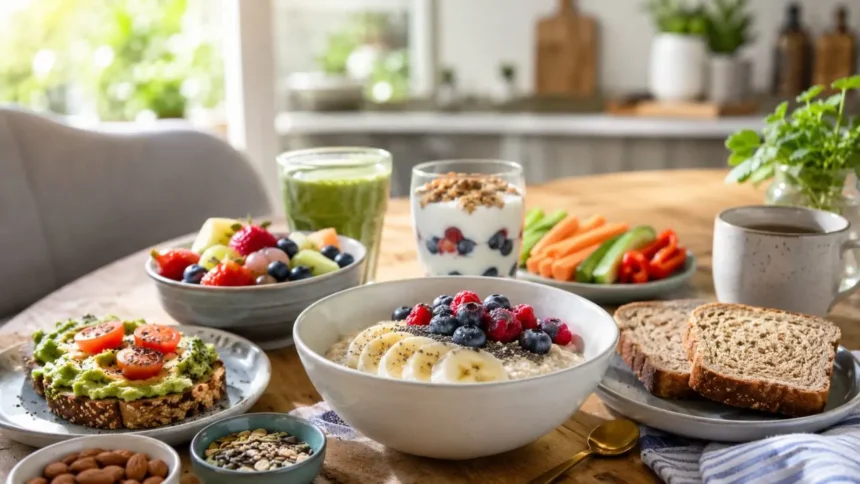
Low Cholesterol Breakfast: 10 Delicious Ideas
A satisfying breakfast can do more than prevent midmorning hunger. When it contains soluble fiber, whole grains, plant protein, and unsaturated fats, it can support a broader eating pattern designed to manage LDL cholesterol and protect long-term heart health.
Building a low cholesterol breakfast does not require expensive ingredients, complicated recipes, or flavorless meals. Familiar foods such as oatmeal, berries, whole-grain toast, beans, yogurt, nuts, seeds, and vegetables can be combined into breakfasts that are nutritious, filling, and easy to prepare.
It is also important to understand that dietary cholesterol is not the only concern. Saturated fat, overall food quality, fiber intake, body weight, physical activity, genetics, and certain medical conditions can all influence blood cholesterol levels. One breakfast cannot correct every factor, but daily choices can make a meaningful difference over time.
The following low cholesterol breakfast ideas are designed for real mornings. Some can be prepared in minutes, while others can be made ahead for busy workdays. Each option can also be adjusted to suit different appetites, budgets, dietary preferences, and cultural eating habits.
What Makes a Breakfast Good for Cholesterol?
A cholesterol-friendly breakfast usually contains plenty of fiber and relatively little saturated fat. Soluble fiber is especially useful because it forms a gel-like material during digestion and can reduce the amount of cholesterol absorbed into the bloodstream.
Oats, barley, apples, pears, berries, beans, chia seeds, and ground flaxseeds are practical sources of fiber. Including one or more of these foods at breakfast can help you increase your daily fiber intake without making a sudden or unrealistic change to your entire diet.
Healthy fats also matter when planning breakfast for high cholesterol. Nuts, seeds, avocado, olive oil, and natural nut butter provide mainly unsaturated fats. These foods can replace butter, cream, fatty meat, and other ingredients that contain larger amounts of saturated fat.
A balanced meal should also contain protein to support fullness and steady energy. Beans, tofu, low-fat yogurt, unsweetened soy products, egg whites, nuts, seeds, and moderate portions of eggs can provide protein without relying heavily on bacon, sausage, or full-fat cheese.
Look Beyond Dietary Cholesterol Alone
The phrase low cholesterol breakfast may suggest that avoiding cholesterol-containing foods is the only goal. However, the overall nutritional pattern matters more than focusing on a single number printed on a food label.
Saturated fat can raise LDL cholesterol in many people. Common breakfast sources include butter, cream, fatty breakfast meats, pastries, coconut oil, and large servings of full-fat cheese. Replacing these foods with fiber-rich carbohydrates and unsaturated fats is usually more helpful than simply avoiding every egg.
Dietary cholesterol is found in animal-based foods, while plant foods naturally contain no cholesterol. That does not mean every plant-based breakfast is automatically heart-healthy, because coconut products, highly processed snacks, and sugary baked goods may still contain excessive saturated fat or added sugar.
Think about the entire plate rather than judging one ingredient in isolation. A breakfast built around oats, fruit, seeds, and low-fat milk is very different from one built around pastries, butter, sausage, and sweetened coffee, even when both meals contain a similar number of calories.
1. Oatmeal With Berries and Ground Flaxseed
Oatmeal is one of the most practical cholesterol-lowering breakfast foods. Oats contain beta-glucan, a type of soluble fiber that can support healthier LDL cholesterol levels when eaten regularly as part of an overall heart-conscious diet.
Prepare rolled or steel-cut oats with water, low-fat milk, or unsweetened soy milk. Add strawberries, blueberries, raspberries, chopped apple, or pear for natural sweetness, additional fiber, and a wider range of nutrients.
A spoonful of ground flaxseed or chia seeds can make the meal more filling. These seeds contribute fiber and unsaturated fats, while walnuts or almonds can add texture and help replace less heart-friendly toppings such as butter or cream.
Avoid turning oatmeal into a high-sugar dessert. Large amounts of brown sugar, syrup, chocolate spread, and sweetened cream can reduce its nutritional value. Cinnamon, vanilla, fruit, or a small amount of date can add flavor with less added sugar.
2. Overnight Oats With Apple and Walnuts
Overnight oats are useful for people who do not have time to cook in the morning. The oats soften while sitting in liquid overnight, creating a ready-to-eat breakfast that can be stored in a covered container in the refrigerator.
Combine rolled oats with unsweetened soy milk, low-fat dairy milk, or plain low-fat yogurt. Add chopped apple, cinnamon, ground flaxseed, and a small portion of walnuts to create a high-fiber breakfast with protein and healthy fats.
Choose plain milk and yogurt rather than heavily sweetened varieties. Flavored products can contain more added sugar than expected, particularly when sweetened yogurt, sweetened milk, honey, and dried fruit are all used in the same recipe.
Prepare two or three containers at once to simplify busy mornings. The toppings can be changed throughout the week by using berries, pears, peaches, chia seeds, almonds, or unsweetened peanut butter while keeping the same basic recipe.
3. Avocado and Bean Whole-Grain Toast
Avocado toast can become a more balanced low cholesterol breakfast when it is paired with beans. Avocado provides unsaturated fat, while beans contribute soluble fiber and plant-based protein that help the meal feel more satisfying.
Choose bread that lists a whole grain as the first ingredient. Words such as multigrain, wheat, or brown do not always confirm that a product is made mainly from whole grains, so checking the ingredient list is worthwhile.
Mash avocado with lemon juice, black pepper, and a small amount of salt. Spread it over toast and add mashed white beans, black beans, chickpeas, sliced tomato, cucumber, spinach, or fresh herbs.
Keep the serving balanced because avocado is nutritious but energy-dense. One slice of loaded toast may be enough when served with fruit, while people with larger energy needs can add another slice or a side of unsweetened yogurt.
4. Plain Yogurt With Fruit, Oats, and Nuts
A yogurt bowl can provide protein, calcium, fiber, and healthy fats in one convenient meal. Choose plain nonfat or low-fat Greek yogurt to limit saturated fat while still getting a creamy texture and satisfying amount of protein.
Add fresh berries, chopped pear, apple, orange segments, or another whole fruit. Whole fruit contributes fiber that fruit juice lacks, and it usually produces a more filling breakfast than a sweetened fruit drink.
Top the bowl with a small handful of oats, high-fiber cereal, walnuts, almonds, chia seeds, or ground flaxseed. These additions improve texture while bringing more whole grains and plant-based nutrients into the meal.
Check flavored yogurt carefully because some varieties contain substantial added sugar. A plain yogurt bowl can be sweetened naturally with fruit, cinnamon, vanilla, or a small amount of unsweetened applesauce instead of several spoonfuls of syrup.
5. Vegetable Scramble With Whole-Grain Toast
Eggs can fit into many heart-conscious diets, but the rest of the breakfast matters. Combining one whole egg with additional egg whites can provide flavor and protein while keeping dietary cholesterol and saturated fat lower than a large serving of whole eggs with processed meat.
Cook the scramble with spinach, mushrooms, tomatoes, onions, peppers, broccoli, or leftover vegetables. Use a small amount of olive or canola oil rather than butter, and flavor the meal with herbs, black pepper, paprika, or garlic.
Serve the scramble with whole-grain toast and fresh fruit. This combination supplies more fiber than a traditional plate of eggs, white bread, sausage, and fried potatoes, making it a better-balanced breakfast for high cholesterol.
Individual needs vary, especially for people with diabetes, cardiovascular disease, or genetically high cholesterol. Anyone who has received specific instructions about eggs or dietary cholesterol should continue following the advice of their healthcare professional.
6. Tofu Scramble With Colorful Vegetables
Tofu scramble is a plant-based alternative to scrambled eggs. Tofu provides protein without dietary cholesterol, while vegetables add fiber, color, volume, and flavor without making the meal excessively heavy.
Crumble firm tofu into a pan with onions, spinach, mushrooms, tomatoes, or bell peppers. Turmeric can create a golden appearance, while black pepper, cumin, garlic, nutritional yeast, or smoked paprika can add savory flavor.
Serve the scramble with whole-grain toast, a small whole-grain tortilla, or leftover barley. Adding black beans or chickpeas can increase the fiber and make the meal more filling for people with larger appetites.
Some packaged tofu products and seasoning mixtures contain a significant amount of sodium. Check labels when managing blood pressure as well as cholesterol, and use herbs, spices, lemon, or vinegar to create flavor without relying entirely on salt.
7. Chia Pudding With Berries
Chia pudding is a make-ahead breakfast created by soaking chia seeds in liquid. The seeds absorb moisture and develop a thick texture, providing a convenient way to add fiber and unsaturated fats to the morning meal.
Mix chia seeds with unsweetened soy milk, low-fat milk, or another suitable beverage. Refrigerate the mixture for several hours or overnight, stirring once during the early soaking period to prevent large clumps from forming.
Add berries, sliced banana, chopped pear, oats, or a few nuts before serving. Using fruit can provide enough sweetness for many people, although a small amount of honey or maple syrup can be included when necessary.
Increase fiber gradually if your usual intake is low. Chia seeds absorb fluid and may cause bloating or digestive discomfort when a large amount is introduced suddenly, so begin with a moderate portion and drink enough water throughout the day.
8. High-Fiber Cereal With Fruit
Cold cereal can be part of a low cholesterol breakfast, but the nutritional quality varies widely between products. Look for a whole-grain cereal with a meaningful amount of fiber and relatively little added sugar.
Compare nutrition labels rather than relying on packaging claims such as natural, wholesome, or made with grains. A cereal may sound healthy while still containing refined flour, added sugar, and very little fiber per serving.
Serve the cereal with low-fat milk or unsweetened soy milk, then add berries, banana, apple, pear, or peaches. A spoonful of nuts or seeds can improve fullness and provide unsaturated fat.
Measure the cereal occasionally because actual portions can be much larger than the serving shown on the package. Combining a moderate portion with fruit and protein usually creates a more satisfying meal than filling a large bowl with cereal alone.
9. Berry and Oat Breakfast Smoothie
A homemade smoothie can work on mornings when eating a solid meal feels difficult. The most balanced versions contain whole fruit, fiber, protein, and unsaturated fat rather than being made mainly from juice or sweetened ingredients.
Blend berries, oats, ground flaxseed, and unsweetened soy milk or low-fat dairy milk. Plain yogurt, silken tofu, or unsweetened nut butter can be added to increase protein and make the smoothie more filling.
Keep the whole fruit in the drink instead of straining away the pulp. Avoid using fruit juice as the main liquid because juice is easy to consume quickly and generally provides less fiber than whole fruit.
Smoothies can become high in calories and sugar when they contain several bananas, fruit juice, sweetened yogurt, honey, protein powder, and nut butter at the same time. Use a simple recipe and include only enough ingredients to create one balanced serving.
10. Bean and Vegetable Breakfast Wrap
Beans are not limited to lunch and dinner. Black beans, chickpeas, lentils, and white beans provide plant protein and soluble fiber, making them valuable ingredients in a cholesterol-conscious breakfast.
Fill a whole-grain tortilla with beans, spinach, tomato, peppers, onions, and avocado. Add salsa, lemon juice, cilantro, cumin, or chili for flavor instead of relying on large amounts of full-fat cheese or sour cream.
For extra protein, include tofu, egg whites, or a small amount of plain low-fat yogurt. Leftover roasted vegetables can also be used, which makes the wrap an affordable way to reduce food waste.
Check the sodium content of tortillas, canned beans, and packaged salsa. Rinsing canned beans can remove some surface sodium, while no-salt-added beans and homemade salsa provide greater control over the final meal.
Foods to Limit at a Low Cholesterol Breakfast
Processed breakfast meats are among the first foods to reconsider. Bacon, sausage, and similar products can contain substantial saturated fat and sodium, particularly when they are eaten in large portions or served every morning.
Pastries, doughnuts, biscuits, croissants, and some packaged muffins may contain butter, shortening, cream, refined flour, and added sugar. Their small size can make them seem light, but they may provide little fiber or lasting fullness.
Full-fat dairy products can also add saturated fat quickly. Large amounts of cheese, cream, whole milk, butter, and cream cheese can be replaced with low-fat dairy, unsweetened soy products, avocado, nut butter, or fruit-based toppings.
Coconut oil and coconut cream are plant-based, but they are high in saturated fat. Using them does not automatically make a breakfast heart-healthy. Olive, canola, or other unsaturated oils are generally more suitable for routine cooking.
Common Low Cholesterol Breakfast Mistakes
One common mistake is choosing a meal that is low in cholesterol but high in added sugar. Sugary cereal, sweetened coffee, juice, and flavored yogurt may contain little dietary cholesterol while still creating a poorly balanced breakfast.
Another mistake is avoiding all fats. Unsaturated fats from nuts, seeds, avocado, and certain vegetable oils can be part of a heart-healthy eating pattern. The goal is to replace saturated fat rather than remove every source of fat.
Some people increase fiber too quickly after receiving a high cholesterol result. A sudden jump in oats, beans, bran, chia seeds, and vegetables can cause gas or bloating, so fiber-rich foods should be introduced gradually.
It is also easy to overlook portion size. Nuts, avocado, granola, nut butter, and seeds are nutritious, but large amounts may provide more energy than needed. Moderate servings create room for fruit, whole grains, and protein.
How to Build a Balanced Breakfast
Begin with a high-fiber base such as oats, barley, whole-grain bread, a whole-grain tortilla, or a lower-sugar whole-grain cereal. This provides structure for the meal and helps replace refined breakfast products.
Add a protein source such as beans, tofu, low-fat yogurt, unsweetened soy milk, egg whites, nuts, seeds, or a moderate portion of eggs. Protein can improve fullness and reduce the temptation to rely on pastries or snack foods later.
Include fruit or vegetables to add fiber, color, vitamins, and volume. Berries, apples, pears, oranges, spinach, tomatoes, peppers, and mushrooms are easy breakfast additions that work in both sweet and savory meals.
Finish with a modest portion of unsaturated fat, such as walnuts, chia seeds, ground flaxseed, avocado, or natural peanut butter. This simple formula makes it easier to create different meals without needing a strict recipe every morning.
A Simple Seven-Day Breakfast Plan
On Monday, prepare oatmeal with berries and ground flaxseed. Tuesday can include avocado and bean toast with fresh fruit, while Wednesday may feature plain low-fat yogurt topped with oats, apple, and walnuts.
For Thursday, make a tofu and vegetable scramble with whole-grain toast. On Friday, use an overnight oat jar prepared the night before with pear, cinnamon, and chia seeds.
Saturday may allow more time for a vegetable scramble made with one whole egg and extra egg whites. Serve it with whole-grain toast, tomato, and fruit rather than processed breakfast meat.
Finish the week with a bean and vegetable breakfast wrap or a berry-oat smoothie. Leftover fruit, vegetables, beans, and grains can be used throughout the plan to keep the grocery cost manageable.
Can Breakfast Alone Lower Cholesterol?
A better breakfast can support cholesterol management, especially when it replaces a meal high in saturated fat and refined carbohydrates. However, one meal cannot compensate for an eating pattern that is consistently unbalanced during the rest of the day.
Lunch, dinner, snacks, beverages, and portion sizes also matter. Regular physical activity, adequate sleep, smoking status, body weight, blood pressure, diabetes management, genetics, and medication use can affect cardiovascular risk.
Some people can achieve meaningful improvements through lifestyle changes, while others need cholesterol-lowering medication as well. Needing medication does not mean that a person has failed or that healthy food choices are no longer valuable.
Continue taking prescribed medication unless the prescriber recommends a change. Cholesterol often causes no obvious symptoms, so repeat blood testing is the appropriate way to learn whether a treatment plan is working.
Tips for Making Breakfast Easier
Prepare ingredients before they are urgently needed. Overnight oats, chia pudding, boiled eggs, chopped fruit, cooked beans, and portioned nuts can reduce the time required to assemble breakfast during a busy morning.
Keep versatile staples available, including oats, whole-grain bread, frozen berries, low-fat yogurt, unsweetened soy milk, canned beans, chia seeds, and natural nut butter. Frozen and canned foods can be convenient without sacrificing nutritional value.
Use leftovers creatively. Roasted vegetables can be added to a scramble, cooked barley can become a warm breakfast bowl, and leftover beans can be mashed onto whole-grain toast or placed inside a wrap.
Choose a few breakfasts you genuinely enjoy rather than forcing yourself to eat a different recipe every day. Consistency is easier when the meals are affordable, familiar, satisfying, and compatible with your routine.
Final Thoughts
A useful low cholesterol breakfast is not defined by one miracle ingredient. It combines soluble fiber, whole grains, fruit or vegetables, lean or plant-based protein, and moderate portions of unsaturated fat.
Oatmeal, beans, berries, whole-grain bread, tofu, low-fat yogurt, nuts, seeds, and avocado provide many ways to create a filling meal. These foods can be adjusted to suit sweet or savory preferences without depending on processed meat or heavy dairy products.
Focus on replacing rather than simply restricting. Replacing butter with nut butter, refined cereal with oats, sausage with beans, and sweetened yogurt with plain yogurt and fruit makes the eating pattern easier to maintain.
Cholesterol management is a long-term process rather than a single breakfast decision. Combine healthier meals with medical care, regular movement, and prescribed treatment to build a realistic plan for protecting your heart.
Frequently Asked Questions
What is the best breakfast for lowering cholesterol?
Oatmeal topped with berries, ground flaxseed, and a few walnuts is a strong option. It provides soluble fiber, whole grains, fruit, and unsaturated fat in one meal.
Are eggs allowed in a low cholesterol breakfast?
Eggs may fit in moderate amounts, depending on individual health needs. Pairing one whole egg with egg whites, vegetables, and whole grains is more balanced than serving eggs with bacon and buttered toast.
What breakfast foods should I avoid with high cholesterol?
Limit processed meats, butter, cream, pastries, fried foods, and large portions of full-fat cheese. These foods may contain substantial saturated fat and little cholesterol-lowering fiber.
Is peanut butter good for high cholesterol?
Natural peanut butter can be a heart-conscious choice because it contains mainly unsaturated fat and plant protein. Select one without hydrogenated oil and keep the portion moderate.
How quickly can oatmeal lower cholesterol?
The response varies according to diet, genetics, medication, and starting cholesterol levels. Eat oats consistently as part of a balanced diet and use follow-up blood tests to measure actual progress.