

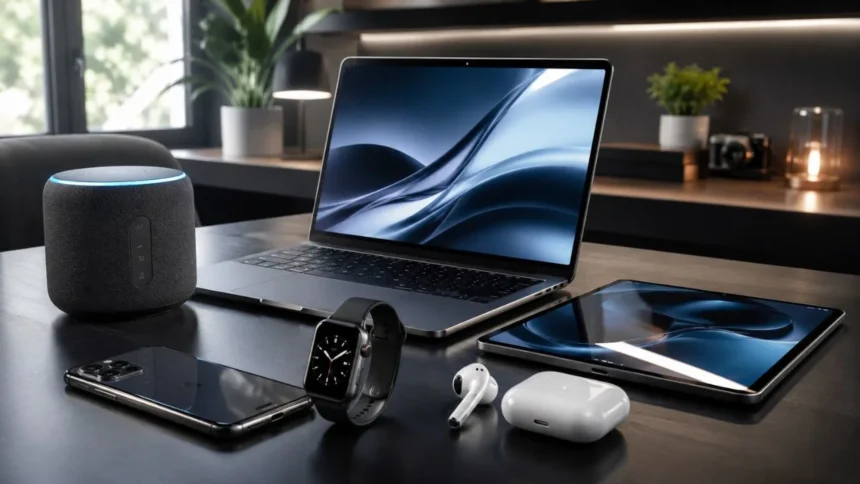
Buying technology is easy, but investing in the right gadgets requires more thought. New devices appear constantly, promising faster performance, smarter automation, better health insights, and easier daily routines. However, an expensive product is not automatically a valuable one. A worthwhile gadget should solve a genuine problem, receive reliable updates, and remain useful long after the excitement of opening the box has disappeared.
The smartest approach to gadget investing is to focus on practical value rather than popularity. A dependable laptop that supports your work for five years may be a better investment than several fashionable devices used only occasionally. Likewise, a smart thermostat that helps control energy use can offer more lasting value than a decorative connected appliance with limited functionality.
Modern smart technology can improve productivity, home security, communication, entertainment, fitness, and energy management. The challenge is separating useful innovation from unnecessary features. AI-powered gadgets, wearable technology, smart home devices, wireless accessories, and connected appliances may all appear impressive, but their real value depends on your habits, needs, and existing technology ecosystem.
This gadget buying guide explains which categories are generally worth considering, how to calculate value for money, and which warning signs suggest a product may become an expensive mistake. Instead of chasing every upgrade, you can build a practical collection of future-ready gadgets that save time, support important goals, and deliver dependable performance.
What Does Gadget Investing Actually Mean?
Gadget investing does not mean expecting a device to increase in financial value. Most consumer electronics lose resale value as newer models arrive. Instead, the word “investing” refers to purchasing technology that produces meaningful returns through saved time, improved productivity, lower running costs, increased safety, better communication, or a more comfortable daily routine.
A good technology investment continues solving a problem throughout its usable life. For example, a quality monitor may improve your workspace every working day, while a dependable smartwatch may help you stay aware of movement, sleep patterns, or appointments. The return is created through repeated usefulness rather than the excitement generated during the first week of ownership.
Long-term value also depends on durability, repairability, battery condition, software support, and compatibility. A cheaper device that stops receiving updates after a short period may cost more over time than a better-supported alternative. Similarly, a smart appliance tied to an unreliable application could lose important functions even when its physical components still work perfectly.
The best gadget investments usually offer a balance of useful features, reasonable pricing, strong construction, dependable customer support, and simple integration with other devices. They do not need to be the most powerful products available. They need to perform the tasks that matter to you without creating unnecessary costs, subscriptions, technical difficulties, or privacy concerns.
Begin With Your Needs, Not the Latest Technology
Before comparing specifications, identify the problem you want the gadget to solve. A person who travels frequently may benefit from noise-cancelling earbuds, a compact power bank, and a lightweight laptop. Someone working from home may receive greater value from an ergonomic keyboard, reliable webcam, external monitor, and backup storage system.
This problem-first approach protects you from buying attractive technology without a clear purpose. Marketing campaigns often promote minor improvements as essential breakthroughs, encouraging people to replace perfectly functional devices. Writing down the result you expect from a purchase makes it easier to distinguish a real need from a temporary desire created by advertising or online trends.
Consider how frequently you will use the product. A gadget used for several hours every day can justify a larger budget because small improvements affect your routine repeatedly. By comparison, spending heavily on a specialised device used twice a year may provide poor value unless renting or borrowing an alternative is inconvenient.
You should also consider whether a simpler product can solve the same problem. A basic timer may work as well as a connected kitchen device, while an ordinary light with a motion sensor may be enough for a hallway. Smart features are worth paying for only when automation, remote control, personalised data, or integration produces a noticeable benefit.
Smartphones and Computers Remain Core Tech Investments
Smartphones are among the most frequently used gadgets, making reliability more important than novelty. A worthwhile phone should offer dependable performance, strong battery life, enough storage, a good display, useful cameras, and several years of security support. Most buyers do not require the most expensive processor or professional camera features available.
Replacing a smartphone every year usually provides limited value because improvements between consecutive generations are often gradual. A better strategy is to keep a capable device until battery deterioration, storage limitations, damaged components, or discontinued updates begin affecting daily use. Replacing the battery can sometimes extend the phone’s practical life at a much lower cost.
Computers should be purchased according to workload rather than impressive specification numbers. Basic browsing, email, document editing, and streaming require much less power than video editing, software development, animation, or advanced gaming. Paying for unused performance increases the initial cost without creating a meaningful return for the average user.
When comparing laptops, examine the complete experience rather than the processor alone. Keyboard comfort, screen quality, port selection, weight, cooling, repair options, webcam performance, and battery endurance can matter every day. A balanced computer that supports your real workload comfortably is normally a better investment than an unnecessarily powerful machine with poor usability.
Wearable Technology Can Be Valuable With Consistent Use
Smartwatches and fitness trackers can be worthwhile for people who actively use their reminders, activity records, navigation, communication tools, or health-related features. Their strongest benefit is convenience. Important information remains accessible without repeatedly reaching for a phone, while prompts may encourage movement, structured routines, and greater awareness of everyday habits.
However, wearable technology should support healthy behaviour rather than replace professional medical advice. The information can help users notice trends and stay motivated, but readings may vary according to device quality, fit, skin contact, activity type, and individual conditions. A wearable is most useful when its data leads to realistic, sustainable actions.
Battery life deserves careful attention because frequent charging affects long-term usability. A feature-rich smartwatch may offer advanced applications and communication tools, while a simpler fitness band may last much longer between charges. The better choice depends on whether you prioritise smartphone-like functions or low-maintenance activity tracking.
Avoid buying a premium wearable merely because it includes dozens of measurements. Consider which features you will use every week and whether they justify the cost. A reasonably priced tracker that supports your main goals consistently may offer more value than an advanced model whose specialised sensors and applications remain unused.
Wireless Earbuds and Headphones Offer Everyday Value
Quality headphones can be an excellent investment for commuters, remote workers, students, travellers, and people who listen to audio regularly. Clear sound, comfortable design, effective microphones, and dependable connectivity can improve calls, concentration, entertainment, and travel. Because headphones may be used daily, small improvements in comfort can create substantial long-term value.
Noise cancellation is particularly helpful in offices, aircraft, public transport, and shared environments. However, the most expensive noise-cancelling model is not necessary for every buyer. People who mainly listen at home may prefer better sound quality, longer battery life, or greater comfort instead of paying heavily for advanced environmental noise reduction.
Wireless earbuds provide portability, but their small internal batteries naturally become less effective with age. Before purchasing, investigate warranty coverage, replacement options, charging case quality, and expected update support. Over-ear headphones may provide a longer useful life when replaceable cables, ear cushions, and batteries are available.
Comfort should be treated as seriously as audio performance. Even excellent-sounding headphones offer poor value when they cause pressure, fall out during movement, or become uncomfortable after thirty minutes. Where possible, choose a retailer with a reasonable return policy so that you can evaluate fit during normal listening sessions.
Smart Home Gadgets Are Best When They Work Together
Smart home technology becomes more valuable when devices share a compatible platform and can be controlled without complicated workarounds. Before buying connected lights, plugs, sensors, thermostats, locks, or cameras, check whether they work with your preferred home system. Cross-platform compatibility can reduce dependence on a single manufacturer and make future expansion easier.
Begin with simple devices that provide immediate usefulness. Smart plugs can automate lamps and selected appliances, while motion sensors can trigger lighting in entrances or corridors. A video doorbell may improve awareness around the front door, and temperature sensors can help identify rooms that are consistently too warm or cold.
Avoid filling your home with connected devices simply because smart versions exist. Internet access adds software dependence, security responsibilities, and potential points of failure. A smart kettle, connected toaster, or application-controlled decorative item may provide little practical improvement compared with a dependable standard product that works instantly and requires no account.
Your smart home should continue functioning during minor internet or service interruptions whenever possible. Local controls, physical switches, manual overrides, and widely supported standards make a system more resilient. Technology should simplify basic household tasks rather than make lighting, heating, or access dependent on an unreliable application or distant server.
Smart Security Devices Require Careful Selection
Connected cameras, video doorbells, smart locks, and alarm sensors can improve awareness and convenience, but they also handle sensitive information. Buyers should examine privacy policies, storage methods, encryption, account security, update commitments, and subscription requirements. A cheap camera may become expensive when essential recording features require a monthly payment.
Consider exactly what area needs monitoring before choosing equipment. A video doorbell may be enough for deliveries and visitors, while a larger property may benefit from several outdoor cameras and motion-triggered lighting. Indoor cameras require greater privacy consideration, particularly in shared homes or rooms used by children and guests.
Smart locks can reduce the inconvenience of physical keys, provide temporary access, and record entry activity. However, they should come from established manufacturers with clear support information and dependable manual backup methods. Battery warnings, emergency access, installation quality, and compatibility with the existing door should all be checked before purchase.
Security gadgets cannot compensate for weak physical protection. Strong doors, suitable locks, exterior lighting, window security, and sensible routines remain important. Connected devices should strengthen an existing security plan rather than create a false sense of safety. Their greatest value comes from timely alerts, remote awareness, and convenient control.
Energy-Saving Gadgets May Produce Measurable Returns
Smart thermostats can be valuable when heating or cooling represents a significant household expense. Scheduling, remote adjustments, occupancy awareness, and usage reports may help reduce unnecessary operation. The potential return depends on the home, climate, insulation, equipment, tariff, and whether household members actually use the available controls properly.
Smart plugs with energy monitoring can reveal how much electricity selected appliances consume. This information may help identify inefficient equipment, unnecessary standby usage, or habits that increase bills. However, the cost of the plug should be compared with the realistic savings, particularly when monitoring a device that already uses very little energy.
Portable power stations can be worthwhile for camping, mobile work, planned backup power, or areas experiencing occasional outages. Buyers should calculate the required battery capacity, output power, charging speed, port selection, and battery cycle life. Purchasing an oversized model adds cost and weight, while an undersized unit may fail to power essential equipment.
Solar-powered accessories can also provide value in the right conditions, but performance depends on available sunlight, panel size, storage capacity, and placement. Avoid exaggerated claims from unknown brands. A clearly specified system designed for your actual power needs is more useful than a cheap product advertised with unrealistic charging or battery figures.
Robot Vacuums and Smart Cleaning Devices Save Time
A robot vacuum can be a strong investment for households that need frequent maintenance cleaning. It is particularly useful for hard floors, pet hair, and busy routines. The greatest return is not always perfect cleaning quality; it is the ability to clean regularly with less manual effort and keep dust from building up between deeper cleaning sessions.
Navigation quality, obstacle detection, brush design, suction performance, bin capacity, and replacement-part availability matter more than decorative application features. Homes with clutter, thick rugs, high thresholds, loose cables, or complex layouts may require preparation before each cleaning cycle. Evaluating the home environment prevents disappointment after purchase.
Self-emptying docks offer convenience, but they increase the purchase price and may require proprietary dust bags. Mopping functions also vary widely. Some models simply drag a damp pad, while more advanced systems control water, lift pads over carpets, or wash components automatically. Buyers should decide whether these improvements justify the extra cost and maintenance.
Traditional vacuum cleaners still provide stronger focused cleaning for stairs, furniture, corners, and heavily soiled areas. A robot vacuum is best viewed as a maintenance assistant rather than a complete replacement. Its value is highest when automatic schedules reduce repetitive work without creating more time-consuming cleaning, untangling, and troubleshooting tasks.
Productivity Gadgets Can Improve Work and Study
A second monitor is often one of the most valuable productivity upgrades for people who regularly compare documents, manage spreadsheets, edit content, conduct research, or attend video meetings. Screen size, resolution, adjustability, text clarity, and connection options are more important than fashionable gaming features when the primary purpose is professional work.
Keyboards, mice, webcams, microphones, and laptop stands may seem less exciting than new computers, but they directly affect everyday comfort and efficiency. An ergonomic setup can reduce unnecessary movement and make long sessions easier. These accessories often deliver a noticeable improvement without requiring a complete system replacement.
External storage and backup devices are also practical investments. Important files should not exist on only one computer or phone. A combination of local backup and reputable cloud storage can reduce the risk of losing documents, photographs, client work, or business information through damage, theft, technical failure, or accidental deletion.
Portable chargers are valuable for travel and long working days, but capacity and output should match the intended devices. A compact power bank may be suitable for a phone, whereas laptops often require higher output. Safety certifications, temperature management, port quality, charging standards, and airline restrictions deserve more attention than exaggerated capacity claims.
AI-Powered Gadgets Need a Clear Practical Purpose
Artificial intelligence is increasingly included in phones, computers, cameras, appliances, wearables, and dedicated assistants. Some AI functions can improve transcription, image organisation, translation, accessibility, search, photography, and routine automation. The important question is whether the feature solves a frequent problem instead of simply making the product appear more advanced.
Dedicated AI gadgets should be approached more cautiously than established multi-purpose devices. A product that depends entirely on cloud processing, a start-up’s subscription service, or a single application may lose much of its value if the company changes direction. Hardware usefulness should not disappear completely when an online service becomes unavailable.
Privacy also matters because AI features may process conversations, images, documents, location information, or personal behaviour. Look for clear explanations of what is processed on the device, what is uploaded, how long information is retained, and whether users can delete it. Avoid products that offer impressive promises but provide vague data-handling information.
The best AI investment may already be included in a device you need for other reasons. A capable phone or laptop can support multiple AI tools while remaining useful for communication and work. Buying separate hardware makes sense only when its specialised design provides a clear improvement in speed, convenience, accuracy, accessibility, or hands-free operation.
Gadgets That Often Provide Poor Value
Single-purpose smart products often offer poor value when a phone or basic appliance can perform the same task. Connected water bottles, application-controlled kitchen items, novelty screens, and digital accessories may appear impressive but add charging, setup, account creation, and maintenance requirements to activities that were previously simple.
First-generation products are another risky purchase. Early adopters may experience limited compatibility, incomplete software, weaker battery life, manufacturing issues, and uncertain support. Waiting for later versions can provide better reliability and lower pricing. It also allows time for independent reviews to reveal whether the original concept remains useful beyond its launch campaign.
Cheap connected devices from unknown sellers may create security, safety, and durability concerns. Attractive specifications are easy to print on a product page, but dependable software and long-term support require ongoing investment from the manufacturer. Extremely low pricing may indicate compromises in components, quality control, application development, or customer service.
Luxury versions of ordinary gadgets can also deliver diminishing returns. Premium materials and advanced features may appeal to enthusiasts, but performance does not always improve in proportion to price. The sensible choice is usually the point where essential quality becomes reliable, before specialised features begin adding substantial cost for relatively small benefits.
How to Calculate a Gadget’s Real Value
Begin by estimating cost per use. A £600 device used five days a week for four years may provide better value than a £100 gadget used only several times. Cost per use does not measure every benefit, but it encourages realistic thinking about frequency, lifespan, and whether the product will become part of your normal routine.
Next, calculate the total cost of ownership. Include accessories, replacement batteries, protective cases, repairs, electricity, cloud storage, proprietary consumables, and subscriptions. A reasonably priced security camera may become costly after several years of recording fees, while a printer can become expensive when it requires frequent proprietary ink replacements.
Consider the time a gadget may save or waste. Reliable automation can remove repetitive work, but poorly designed applications and unstable connections create troubleshooting. Read long-term owner feedback about setup, updates, battery deterioration, customer service, and daily usability instead of relying entirely on reviews published immediately after launch.
Finally, compare the product with the cost of doing nothing or using an alternative. Repairing an existing device, buying refurbished technology, using a simpler tool, or waiting for a discount may be more sensible. A purchase becomes a worthwhile investment only when its expected benefit is greater than the financial and practical cost.
Check Software Support, Security, and Privacy
Software support is now part of product durability. A device may remain physically functional while becoming less secure or losing compatibility with applications and services. Before buying, check whether the manufacturer publishes a clear update period. Longer security support can improve safety, resale potential, and the practical lifespan of connected technology.
Create unique passwords for device accounts and enable multi-factor authentication where available. Update applications, routers, cameras, smart speakers, and other connected products regularly. Default settings should also be reviewed because some devices enable data sharing, voice storage, location tracking, or promotional notifications that users may not need.
Be especially cautious with products containing cameras, microphones, biometric sensors, or location tracking. Decide whether the convenience justifies the information being collected. A device that remains in the home for years may gather more personal information than a website visited once, making transparent privacy controls an important part of value.
Consider what happens when the manufacturer stops supporting the product. Can it still perform basic functions locally, or will it become unusable without an online account? Future-proof gadgets are not necessarily the newest devices. They are products designed to remain useful through changing applications, networks, services, and ownership circumstances.
Buying Refurbished Technology Can Stretch Your Budget
Refurbished smartphones, laptops, tablets, monitors, and headphones can offer excellent value when purchased from trustworthy sellers. These products may cost significantly less than new equivalents while providing more performance than newly manufactured budget devices. Refurbished buying can also reduce electronic waste by extending the useful life of existing equipment.
The meaning of “refurbished” varies, so examine the seller’s testing process, condition grades, warranty, battery standards, return policy, and included accessories. A professionally inspected device with a clear warranty is different from an untested used product sold without support. Detailed condition information helps prevent disagreements about scratches, wear, or missing components.
Battery health is especially important for phones, laptops, tablets, and earbuds. Replacing a battery may be possible, but the additional cost should be included in the purchase decision. Also confirm that the device still receives security updates and supports the applications, networks, and accessories needed for your normal activities.
Previous-generation flagship devices are often strong refurbished choices because they may offer better displays, cameras, materials, and performance than new entry-level alternatives. However, an extremely old premium model can become a poor investment when repairs are expensive or updates are ending. Balance original quality against remaining supported life.
Create a Sensible Gadget Investment Budget
Divide your technology spending into practical priority levels. Essential devices include products required for work, communication, safety, or education. Useful upgrades improve comfort or efficiency, while optional gadgets mainly provide entertainment or novelty. Fund essential replacements first so that impulse purchases do not prevent you from replacing genuinely important equipment.
For purchases below £100, focus on accessories that solve a clear daily inconvenience, such as a reliable charger, keyboard, power bank, smart plug, tracker, or storage device. Between £100 and £300, compare longevity carefully because wearables, earbuds, cameras, and household gadgets may involve batteries, subscriptions, or replacement parts.
Purchases between £300 and £800 deserve deeper research because this range includes many phones, tablets, laptops, monitors, cleaning devices, and power stations. Compare at least three suitable products, calculate total ownership cost, and check independent long-term reviews. A short waiting period can reduce emotional spending and reveal whether the need remains important.
For technology costing more than £800, define the expected lifespan and measurable benefit before paying. Expensive devices should normally support demanding work, frequent travel, specialist hobbies, business operations, or important household needs. Financing should be approached carefully because interest and long contracts can make rapidly depreciating electronics considerably more expensive.
How to Make Every Gadget Last Longer
Protecting a gadget extends the return on your investment. Use suitable cases, screen protection, cable management, ventilation, and safe storage when appropriate. Keep electronic devices away from excessive heat, moisture, dust, and physical pressure. Simple preventive care is usually cheaper than repairing damaged displays, ports, hinges, or internal components.
Battery-powered technology benefits from sensible charging habits and temperature control. Extreme heat can accelerate battery wear, while poor-quality chargers may create reliability or safety problems. Use reputable charging equipment, clean ports carefully, and avoid leaving devices in hot vehicles or direct sunlight for extended periods.
Install updates, remove unnecessary applications, manage available storage, and restart devices when performance becomes unstable. Slow technology does not always require immediate replacement. Cleaning software, replacing a battery, upgrading storage or memory where possible, and reinstalling the operating system may restore useful performance.
Keep purchase receipts, serial numbers, warranty details, recovery codes, and account information organised. Before selling or recycling a device, back up important files and remove personal data correctly. Responsible maintenance protects both your investment and your privacy while helping useful technology remain in service for longer.
Final Verdict: Which Smart Tech Is Worth Your Money?
The best gadget investments are rarely the products with the longest feature lists. They are reliable devices that solve frequent problems, integrate smoothly with your existing equipment, and remain supported for several years. Smartphones, computers, productivity accessories, headphones, selected wearables, and carefully planned smart home products can all provide strong value.
Energy-saving devices, robot vacuums, security equipment, and portable power stations may also be worthwhile when they match the household’s actual needs. Their value should be measured through saved time, reduced inconvenience, improved awareness, or lower running costs. Buying a product without a suitable use case turns useful technology into expensive clutter.
Approach fashionable AI devices and unusual connected products cautiously. Innovation can be valuable, but first-generation hardware and cloud-dependent services involve greater uncertainty. Waiting for clear evidence of reliability, useful applications, and long-term support is often wiser than paying a premium to become an early adopter.
Gadget investing is ultimately about intentional purchasing. Define the problem, compare realistic alternatives, review ownership costs, and choose quality where it affects everyday use. When every device has a clear role, your technology becomes a practical system that supports your life instead of a collection of upgrades competing for money, attention, and charging space.
Frequently Asked Questions
What gadgets are worth investing in?
Smartphones, dependable laptops, quality headphones, external monitors, backup storage, security devices, and selected energy-saving gadgets usually offer strong value when they support frequent needs and receive long-term software support.
Are expensive gadgets always better?
No. Higher prices may provide stronger materials or specialist features, but they do not guarantee better value. The best product is one that performs your required tasks reliably without charging you for features you will not use.
How often should I upgrade my technology?
Upgrade when the current device no longer performs reliably, lacks important security updates, cannot run necessary software, or costs too much to repair. Annual upgrades are rarely necessary for most buyers.
Are smart home gadgets a good investment?
They can be valuable when they improve security, comfort, energy management, or everyday automation. Choose compatible devices with clear update policies, manual controls, and limited dependence on unnecessary subscriptions.
Is refurbished technology worth buying?
Yes, refurbished technology can provide excellent value when it comes with professional testing, a clear condition grade, a suitable warranty, healthy battery performance, and enough remaining software support.