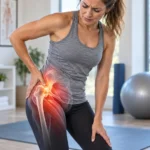
Inner thigh muscle pain can make walking, exercising, climbing stairs, or even changing position uncomfortable. The pain may develop suddenly after a quick movement or appear gradually after repeated activity. Because several muscles and nearby structures sit around the groin and upper leg, the exact cause is not always obvious from the location alone.
The inner thigh contains the adductor muscles, which help bring the leg toward the body and stabilize the hips during movement. These muscles work during running, walking, kicking, lunging, and changing direction. When they are overloaded, strained, or fatigued, discomfort can range from mild soreness to sharp pain.
Most mild muscle-related problems improve with appropriate activity changes and gradual recovery. However, persistent or severe inner thigh pain can sometimes come from the hip, groin, nerves, or other medical conditions. Understanding common patterns can help you know when simple relief strategies may be reasonable and when professional assessment is more appropriate.
What Causes Inner Thigh Muscle Pain?
Inner thigh pain often develops when the adductor muscles are asked to handle more load than they are prepared for. This can happen after sprinting, kicking, running, gym workouts, or suddenly increasing exercise volume. The discomfort may begin during activity or become more noticeable later when the muscles cool down.
A sudden overstretch can also injure the inner thigh. Slipping, changing direction quickly, or spreading the legs farther than usual may strain muscle fibers. People commonly describe a pulling sensation, sharp pain, or tenderness close to the groin or along the inside of the upper leg.
Not every case comes from exercise. Long periods of inactivity followed by heavy activity, altered walking mechanics, previous injuries, or weakness in surrounding hip muscles may also contribute. Identifying what changed before symptoms began can provide useful clues about why the area became irritated.
Inner Thigh Muscle Strains
A muscle strain occurs when fibers are overstretched or partially torn. Mild strains may cause soreness and tenderness while still allowing normal walking, whereas more significant injuries can cause bruising, swelling, weakness, or difficulty moving the leg. Sudden pain during sprinting or side-to-side movement is a common pattern.
The adductor muscles are particularly vulnerable during sports that involve rapid direction changes. Football, hockey, tennis, martial arts, and similar activities repeatedly challenge the inner thigh. A strain may occur when the muscle contracts forcefully while also being placed in a lengthened position.
Recovery depends on severity. Mild strains may improve within a few weeks, while more substantial injuries can require longer rehabilitation. If you felt a strong tearing sensation, cannot walk normally, or develop significant bruising, professional evaluation can help determine how serious the injury may be.
Overuse and Exercise-Related Soreness
Not all inner thigh pain represents an injury. Delayed muscle soreness can develop after unfamiliar exercises such as sumo squats, lateral lunges, adductor machines, or wide-stance movements. This soreness often appears several hours after training and can feel strongest one or two days later.
Overuse can also produce discomfort when training volume increases too quickly. Someone who suddenly adds longer runs, frequent football sessions, or repeated lower-body workouts may irritate the adductors without experiencing one specific injury. The pain may feel dull, tight, or achy rather than sharply localized.
Reducing training temporarily and allowing adequate recovery can help. Once symptoms settle, gradually rebuilding activity is usually more effective than immediately returning to the same workload. Repeated soreness after every session may mean your training volume, exercise selection, or recovery routine needs adjustment.
Hip and Groin Problems That Can Feel Like Inner Thigh Pain
The hip joint sits close to the inner thigh, so pain from the hip can sometimes be felt around the groin or upper leg. Joint irritation, arthritis, or other hip problems may cause deep discomfort rather than tenderness directly within a muscle. Symptoms can also worsen with prolonged sitting or certain hip movements.
Groin-related conditions can create a similar pattern. Hernias, tendon problems, or irritation involving nearby structures may feel like inner thigh muscle pain even when the adductors are not the main source. Pain that repeatedly returns despite rest and muscle rehabilitation deserves a wider assessment.
Notice whether the discomfort is associated with clicking, joint stiffness, abdominal swelling, or pain during coughing and straining. These details can help a clinician distinguish muscular pain from another condition. Persistent symptoms should not automatically be treated as a simple strain simply because they occur on the inner thigh.
Nerve-Related Inner Thigh Pain
Nerve irritation can sometimes cause pain along the inner thigh. Unlike a typical muscle strain, nerve-related discomfort may feel burning, electric, tingling, numb, or unusually sensitive. Symptoms can originate from the lower back, pelvis, or another area along the pathway of the affected nerve.
The pain may change depending on posture rather than muscle activity alone. Sitting, bending the spine, standing for long periods, or certain hip positions can influence symptoms. Some people may also experience weakness or altered sensation rather than only soreness when pressing on the muscle.
Persistent numbness, significant weakness, or pain that travels across several areas should be evaluated professionally. These symptoms may require assessment of the back, hips, and nervous system rather than treatment focused only on the adductor muscles. Sudden neurological changes deserve more urgent attention.
How to Relieve Mild Inner Thigh Muscle Pain
For mild soreness or a minor strain, reduce activities that clearly make the pain worse. You may need to shorten walks, pause sprinting, or temporarily avoid deep lunges and wide-stance exercises. Complete inactivity is not always necessary, but repeatedly provoking sharp pain can delay improvement.
Cold packs may feel helpful after a recent injury or activity flare, while warmth may help when the muscles feel stiff or tight. Always protect your skin and use temperature-based treatments for comfort rather than expecting them to directly repair the muscle. Gentle movement is often useful once symptoms allow it.
Over-the-counter pain medication may be appropriate for some people, but it is not suitable for everyone. Pregnancy, stomach problems, kidney conditions, allergies, and other medications can affect what is safe. If you repeatedly need medication simply to walk comfortably, consider professional assessment rather than relying on ongoing self-treatment.
Stretching and Mobility for Inner Thigh Pain
Gentle mobility may help when the inner thigh feels tight, but stretching should not be aggressive. A light butterfly stretch or controlled side-to-side weight shift can create mild tension through the adductors. Stop if the stretch causes sharp pain or noticeably increases soreness afterward.
A newly strained muscle may be more sensitive to deep stretching, especially during the first stage of recovery. Trying to force flexibility can irritate healing tissue rather than speed up recovery. Comfortable range-of-motion work is usually a better starting point until pain begins settling.
Pelvic and hip movement can also influence how the inner thigh feels because these regions work together during everyday activity. Gentle exercises such as a controlled pelvic tilt may fit into a broader mobility routine when comfortable. Exercise choice should still reflect the actual cause of your symptoms.
Strengthening the Inner Thigh Safely
Strengthening helps the adductor muscles tolerate greater activity demands over time. Beginners can start with gentle isometric exercises, such as lightly squeezing a pillow or soft ball between the knees. The contraction should feel controlled and should not create sharp pain through the groin or thigh.
As symptoms improve, side-lying leg lifts, resisted adduction, lateral lunges, and other progressive exercises can be introduced. Resistance should increase gradually rather than jumping directly into heavy or explosive movements. Building strength slowly allows both muscles and tendons time to adapt.
Balanced lower-body training matters as well. The glutes, hamstrings, quadriceps, calves, and core all influence hip and leg control. Strengthening only the inner thigh while ignoring surrounding muscles may leave important weaknesses or movement limitations unaddressed.
How Long Does Inner Thigh Muscle Pain Last?
Recovery time depends on the cause and severity of symptoms. Mild post-exercise soreness may improve within a few days, while a minor strain can take several weeks. More significant muscle injuries may require considerably longer, especially when pain has been repeatedly aggravated.
Improvement is not always perfectly steady. You may feel better for several days and then notice increased soreness after doing more activity than usual. A temporary flare can indicate that the workload increased faster than the muscle was ready to tolerate rather than automatically meaning a new injury occurred.
Focus on function as well as pain. Being able to walk farther, move the hip more comfortably, and complete strengthening exercises with less discomfort are useful signs of progress. Symptoms that remain unchanged or become progressively worse over several weeks should be reassessed.
How to Prevent Inner Thigh Muscle Pain
Increase exercise volume gradually, particularly when adding sprinting, lateral movement, or wide-stance lower-body exercises. Sudden increases in speed, distance, intensity, or frequency can overload muscles that have not adapted. Consistency is generally safer than alternating between long periods of inactivity and extremely demanding workouts.
Warm up before high-intensity activity with light movement and gradually more demanding drills. Dynamic movements can prepare the hips and legs for running or sport without requiring aggressive stretching. Save longer static stretches for situations where they feel useful rather than treating them as the only injury-prevention strategy.
Regular strength training can also improve adductor capacity. Include exercises for the hips, thighs, and trunk instead of targeting only one area. Adequate rest, sleep, and recovery between hard sessions allow your muscles to adapt to training instead of accumulating repeated irritation.
When Should You See a Doctor?
Seek medical advice after a significant injury if you cannot walk normally, experience major swelling, or develop extensive bruising. Sudden severe pain or an obvious loss of strength can indicate a more substantial muscle or tendon injury. These symptoms may need structured rehabilitation or additional assessment.
Arrange a non-urgent appointment if inner thigh pain lasts for several weeks, repeatedly returns, or interferes with sleep and normal activity. Persistent groin or hip pain may not come entirely from the muscles. A clinician can examine movement, strength, tenderness, and other possible sources of discomfort.
Urgent medical attention is important for major one-sided leg swelling, redness, warmth, chest pain, or shortness of breath because circulation problems can occasionally produce serious symptoms. Fever, rapidly increasing swelling, or severe unexplained pain also deserves prompt assessment rather than being assumed to be ordinary muscle soreness.
Conclusion
Inner thigh muscle pain commonly results from strains, overuse, unfamiliar exercise, or excessive loading of the adductor muscles. The discomfort may feel sore, tight, sharp, or tender depending on the cause. Hip, groin, and nerve problems can sometimes create similar symptoms, so the pattern matters.
Mild muscle-related pain often improves with temporary activity modification, comfortable movement, and gradual return to strengthening. Avoid repeatedly stretching a painful muscle aggressively or returning immediately to the activity that triggered symptoms. A steady progression usually gives the tissue a better chance to recover.
Seek professional advice when pain is severe, persistent, or associated with significant weakness, swelling, numbness, or difficulty walking. Urgent symptoms such as major leg swelling or breathing difficulties require immediate attention. Identifying the true cause is the most reliable way to choose safe treatment and prevent repeated problems.
FAQs
Why does my inner thigh muscle hurt?
Common causes include muscle strain, overuse, delayed exercise soreness, or sudden increases in activity. Hip, groin, and nerve-related conditions can also cause discomfort in the same area.
Should I stretch inner thigh pain?
Gentle stretching may help mild tightness, but aggressive stretching can worsen a fresh muscle strain. Stop if stretching creates sharp pain or leaves the area noticeably more irritated afterward.
How long does an inner thigh strain take to heal?
Mild strains may improve within a few weeks, while more significant injuries can take longer. Recovery depends on injury severity, activity level, rehabilitation, and whether the muscle is repeatedly aggravated.
Can I walk with inner thigh muscle pain?
Light walking may be reasonable when pain is mild and does not worsen. Significant limping, sharp pain, or increasing discomfort suggests you should reduce activity and consider professional assessment.
When is inner thigh pain serious?
Seek medical care for severe pain, major swelling, extensive bruising, weakness, or symptoms that persist for several weeks. Sudden leg swelling with chest pain or shortness of breath requires urgent evaluation.