

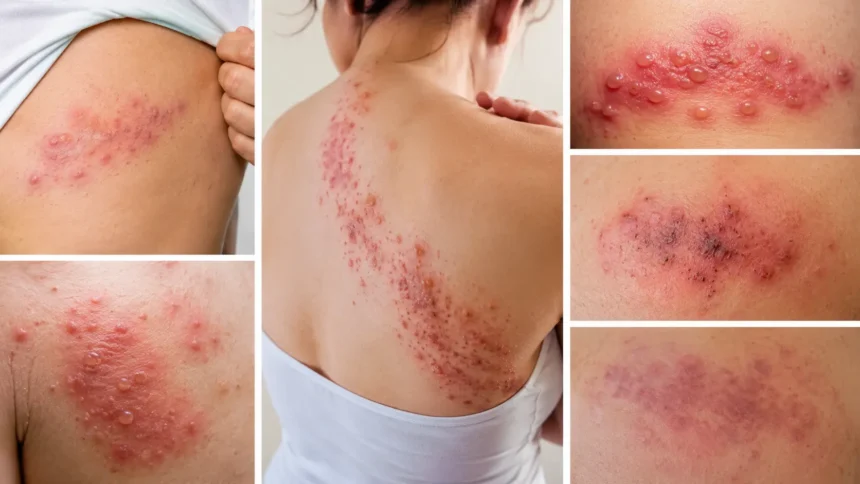
Images of Shingles: Early Signs, Stages & Symptoms
Shingles can look surprisingly different from one person to another, which is why people often search for images of shingles when an unusual rash, patch of redness, or cluster of blisters appears. The condition usually develops in a recognizable pattern, but the earliest signs may be subtle enough to resemble an insect bite, heat rash, eczema, or simple skin irritation. As shingles progresses, the appearance often becomes more distinctive, particularly when grouped fluid-filled blisters form in a narrow area on one side of the body. However, photographs alone cannot confirm a diagnosis because several other skin conditions can look similar. Understanding the typical stages, locations, sensations, and warning symptoms can help you recognize when professional medical evaluation is appropriate.
Shingles, medically known as herpes zoster, occurs when the varicella-zoster virus becomes active again after remaining dormant in the nervous system. This is the same virus responsible for chickenpox, although having shingles does not mean that chickenpox has somehow returned in exactly the same form. Instead, the reactivated virus travels along sensory nerves toward the skin, which helps explain why shingles commonly follows a narrow band or localized area. Pain, tingling, itching, or unusual skin sensitivity may begin before anything visible appears. Once the rash develops, small bumps may change into clusters of blisters over several days. Recognizing this progression is often more useful than comparing a single spot with a photograph found online.
When looking at shingles rash pictures, one of the most important features to notice is distribution rather than simply color. A classic shingles outbreak usually affects one dermatome, which is an area of skin supplied by a particular sensory nerve. This often produces a stripe, band, or irregular patch that stays on either the left or right side of the torso rather than spreading symmetrically across both sides. Shingles can also occur on the face, scalp, neck, arm, leg, or other locations. Depending on skin tone and the stage of the outbreak, affected skin may appear bright red, pink, reddish-purple, brownish, grayish, or darker than the surrounding skin. For this reason, relying exclusively on redness can make shingles harder to recognize.
Another important point is that the severity of what you see does not always match the severity of what someone feels. A relatively small rash can produce intense burning, stabbing, aching, or electric-like nerve pain. Conversely, some people develop visible blisters with comparatively mild discomfort. Symptoms can also change throughout the outbreak, so the condition may feel like tingling or tenderness initially and become painful once inflammation increases. Older adults and people with certain medical conditions may be more likely to experience prolonged nerve-related symptoms after the skin itself improves. Anyone concerned about possible shingles should therefore pay attention to both skin changes and unusual sensations occurring in the same area.
Early medical attention matters because antiviral treatment tends to provide the greatest benefit when started promptly after the rash appears. It is especially important to seek urgent evaluation if symptoms involve the eye, forehead, nose, or ear, or if the rash is widespread rather than confined to a limited area. People who are pregnant, immunocompromised, seriously unwell, or experiencing severe neurological symptoms should also obtain medical advice rather than relying on online shingles images. Even when a rash seems typical, a healthcare professional can evaluate its appearance alongside symptoms and medical history. The sections below explain what shingles commonly looks like from the earliest stage through healing, along with signs that deserve faster medical attention.
What Does Shingles Look Like?
A typical shingles rash begins as an area of altered skin that eventually develops clusters of raised bumps and fluid-filled blisters. Before the blisters appear, the skin can look normal or mildly inflamed, making the condition difficult to identify visually during its earliest phase. Some people notice a patch of redness, while others see scattered small bumps appearing along a narrow area. The skin may also feel unusually sensitive when touched by clothing, bedding, or even moving air. As the rash develops, the lesions generally become more concentrated and recognizable. The combination of localized nerve sensations and a one-sided rash is often more characteristic of shingles than the appearance of an individual blister.
In many shingles images, the rash appears as grouped blisters rather than isolated spots scattered randomly across the body. These blisters may be tiny at first and can resemble clear beads sitting on irritated skin. Over time, they may become cloudy, break open, and eventually dry into crusts or scabs. New blisters can continue appearing for several days, meaning one area may contain fresh blisters while another has already started crusting. This creates a changing appearance throughout the outbreak rather than a single static rash pattern. Although images can demonstrate these stages, the speed and severity of progression differ considerably between individuals.
Location provides another useful clue when evaluating what shingles may look like. The torso is among the most common areas affected, where the rash can form a partial belt around one side of the chest, back, abdomen, or waist. Unlike many allergic or inflammatory rashes, typical localized shingles usually does not form an identical pattern on both sides of the body. It may stop near the midline because the virus follows the distribution of particular nerves. Shingles on the face can produce a smaller patch involving the forehead, cheek, scalp, or surrounding areas. Because facial shingles can sometimes involve important nerves and the eye, its location can be medically significant even when the rash appears relatively small.
Shingles may look different across different skin tones, which is an important limitation of many traditional medical image collections. On lighter skin, inflammation is often described as pink or red, while on darker skin the affected area may appear purple, deep red, brown, gray, or simply darker than nearby skin. Fluid-filled blisters can still be visible even when surrounding redness is less obvious. After the active rash disappears, temporary darker or lighter marks may remain where lesions healed. These changes do not necessarily mean the infection remains active. Looking for blister shape, grouping, distribution, and associated sensations may therefore be more useful than focusing only on whether the rash appears red.
Not every case of shingles produces the dramatic blistering pattern commonly shown in photographs. Some outbreaks remain relatively mild with only a few lesions, while others can cover a much larger section of a dermatome. Rarely, people may experience shingles-related nerve pain without developing the typical visible rash, making diagnosis more challenging. In people with weakened immune systems, lesions may sometimes spread beyond the usual localized pattern and require more urgent assessment. Because photographs cannot show nerve pain, numbness, fever, sensitivity, or medical risk factors, image comparison has clear limitations. A suspected outbreak should therefore be considered in the context of both visible and non-visible symptoms.
Images of Shingles in the Early Stage: What to Look For
The earliest stage of shingles may begin before any visible skin changes occur. This period is sometimes called the prodromal phase, and it can involve burning, itching, tingling, numbness, tenderness, or unusual sensitivity along a limited area of skin. Some people describe sharp or shooting pain, while others initially mistake the sensation for a muscle strain, internal pain, or irritation from clothing. Because there is no characteristic rash yet, photographs are often not particularly useful at this point. The location and one-sided nature of the discomfort can provide clues, although neither feature proves shingles is present. Visible skin changes may begin within the following days.
When the first visible signs develop, early shingles can appear much less dramatic than the classic blistered rash shown in medical images. Affected skin may look mildly discolored, irritated, or slightly swollen, with tiny raised bumps appearing in groups. At this stage, shingles may resemble contact dermatitis, insect bites, folliculitis, heat rash, or other common conditions. The difference sometimes becomes clearer as additional lesions appear within the same nerve distribution. Burning or tenderness that seems stronger than the visible rash would suggest may also raise suspicion for shingles. However, no single visual feature can reliably distinguish every early outbreak from similar-looking skin problems.
During the next phase, small raised bumps may develop into clear fluid-filled vesicles, which are the characteristic shingles blisters. They commonly appear close together rather than evenly spaced across a broad area. Several clusters can develop along the same strip of skin, creating the recognizable band-like pattern associated with herpes zoster. New lesions may continue appearing over approximately several days, so an early rash may look different even from one morning to the next. Surrounding skin can become more inflamed as the blistering increases. People searching for early shingles images should therefore remember that photographs taken at different points in the outbreak can represent noticeably different appearances.
The sensations accompanying the early rash can be especially helpful when distinguishing shingles from harmless irritation. Pain may feel burning, deep, aching, stabbing, prickling, or similar to an electric shock. Some people experience intense itching instead of obvious pain, while others notice that ordinary touch becomes uncomfortable. These sensory changes occur because shingles affects nerves as well as the skin. A rash caused mainly by friction or mild irritation may not produce the same localized nerve-like sensations, although symptoms can overlap considerably. When pain and skin changes develop together in a one-sided pattern, obtaining medical assessment promptly can be more appropriate than waiting for the rash to become unmistakable.
Recognizing early shingles can matter because treatment decisions are time-sensitive. Antiviral medications are generally most useful when started early in the course of the outbreak, particularly soon after the rash begins. Someone who suspects shingles should therefore not wait until every lesion resembles the severe photographs commonly found online. Prompt assessment becomes even more important when the rash occurs near an eye, on the forehead or nose, around an ear, or in someone with a weakened immune system. Severe headache, confusion, weakness, widespread lesions, or significant illness also warrant medical attention. Identifying shingles early is ultimately about recognizing the overall clinical pattern, not matching the skin perfectly to a picture.
Shingles Rash Stages From First Bumps to Healing
The first stage of a shingles outbreak often consists of nerve symptoms that appear before the classic rash. Burning, itching, tingling, tenderness, or pain can develop along one side of the body and may last for a short period before visible lesions emerge. General symptoms such as headache, fatigue, chills, or feeling unwell may occur in some people, although many have no significant systemic symptoms. When skin changes begin, they may initially appear as discoloration or small raised spots. Because this stage lacks the familiar blisters, shingles can easily be mistaken for another condition. The evolving pattern over the following days usually provides additional clues.
The second recognizable stage involves the formation of grouped vesicles, or small fluid-filled blisters. These lesions often develop on an inflamed base and can resemble miniature droplets or tightly packed bubbles. New blisters may continue to form while older ones become larger or cloudier, producing several stages of lesions within the same area. Pain can increase during this period because inflammation is affecting both the skin and underlying nerves. The rash can be particularly uncomfortable when clothing rubs against it or during bathing and sleeping. Although the exact timeline varies, active blister formation generally represents the phase when shingles is visually easiest to recognize.
As the outbreak progresses, the blisters can become cloudy, flatten, leak, or break. Open lesions may look raw or moist before they begin drying, and scratching can potentially worsen irritation or contribute to secondary bacterial infection. Keeping the area clean and avoiding unnecessary touching can help protect damaged skin while healing occurs. During the blistering phase, virus from shingles lesions can transmit varicella-zoster virus to a susceptible person through direct contact with blister fluid. That person would develop chickenpox rather than shingles if infected. Covering the rash when practical and using careful hand hygiene can reduce exposure until lesions have crusted.
The next stage involves drying and crust formation. Blisters gradually lose fluid and develop scabs, often changing from translucent lesions to darker crusted areas. Because lesions may have appeared on different days, some spots can be fully crusted while nearby blisters are still healing. Itching may become more noticeable as damaged skin repairs itself, although nerve-related pain can persist. People sometimes worry when crusts look dark or uneven, but this can be part of normal healing. Picking at scabs should be avoided because it may increase irritation, delay healing, and contribute to changes in skin pigmentation or scarring.
After the crusts fall away, the visible rash may disappear while temporary color changes remain. Some people notice darker, lighter, pinkish, reddish, or purplish marks in areas where blisters were previously located. These marks can fade gradually, although the time needed varies with skin tone, inflammation, scratching, and the severity of the outbreak. More importantly, nerve symptoms may sometimes continue after the skin has healed, particularly in older adults. Persistent shingles-related nerve pain is known as postherpetic neuralgia and can last far longer than the original rash. This is why complete skin healing does not always mean every symptom associated with shingles has immediately resolved.
Where Does the Shingles Rash Usually Appear?
The chest and back are among the most recognizable locations for shingles because nerve pathways around the torso can create a distinctive band of lesions. Someone may develop painful blisters beginning near the spine and extending around one side of the ribs toward the chest or abdomen. The rash generally remains on either the left or right side rather than forming a continuous ring around the entire body. This one-sided distribution reflects the sensory nerve involved in the outbreak. Depending on the affected nerve, the band can be narrow or relatively broad. Pain may occasionally be felt before visible lesions appear, leading people to initially suspect a muscle, rib, or internal-organ problem.
Shingles can also appear on the face, and this location deserves particular attention. Blisters may develop on one side of the forehead, scalp, cheek, or around the nose and eye. When the ophthalmic branch of the trigeminal nerve is affected, the eye can potentially become involved and vision may be threatened without appropriate treatment. Pain, redness, light sensitivity, visual changes, or lesions around the eye should therefore be evaluated promptly. A rash involving the tip or side of the nose can also be an important warning sign of possible eye involvement. Facial shingles should not be managed solely by comparing symptoms with images online.
The scalp can be another challenging location because hair may hide early lesions. Someone may initially notice scalp tenderness, burning, itching, or pain when brushing their hair before seeing actual blisters. Lesions can occur within the hairline and sometimes extend toward the forehead or ear, depending on the nerve affected. Because ordinary scalp conditions such as folliculitis, dermatitis, or insect bites may also produce bumps and irritation, appearance alone may be misleading. Unusual one-sided scalp pain combined with clusters of developing blisters should raise greater concern. Medical assessment becomes particularly important when eye, facial, or ear symptoms accompany the scalp rash.
Although less commonly pictured, shingles can occur on an arm, hand, leg, or foot when the reactivated virus travels through nerves supplying those regions. The lesions may form an elongated patch rather than the belt-like arrangement seen around the torso. Pain can extend along the same limb and may occasionally be mistaken for joint, muscle, or nerve compression problems before the rash emerges. Because shingles usually follows a defined sensory distribution, it generally does not cover an entire arm or leg uniformly. A small number of lesions can still produce significant discomfort. Diagnosis can be harder when the location is unusual, making professional evaluation more valuable.
Shingles may occasionally affect areas such as the buttocks, groin, or genital region, where it can resemble several other skin conditions. In these locations, visual diagnosis becomes especially unreliable because different infections and inflammatory disorders can produce painful blisters or sores. Shingles can also involve nerves associated with deeper or less visible structures, producing symptoms that do not fit the typical torso-rash image. Regardless of location, the combination of localized nerve pain and grouped lesions on one side remains an important pattern. Widespread lesions occurring in several unrelated body regions are less typical of uncomplicated localized shingles. Such widespread symptoms deserve medical assessment, particularly in someone whose immune system may be weakened.
Shingles Symptoms Beyond the Visible Rash
Pain is one of the most important shingles symptoms, and in some people it is more troublesome than the rash itself. The pain arises because varicella-zoster virus reactivates within sensory nerves before affecting the skin supplied by those nerves. Sensations vary and may include burning, stabbing, throbbing, aching, tingling, pins and needles, or sudden electric-like shocks. Even gentle contact can feel painful, a phenomenon known as allodynia. Someone may find a shirt sleeve, bedsheet, or shower uncomfortable against the affected skin. Because pain can begin before the rash appears, shingles is sometimes initially mistaken for musculoskeletal pain, dental problems, abdominal conditions, or other disorders depending on its location.
Itching is another common symptom and can occur before, during, or after blister formation. Some people experience primarily itching and tingling rather than severe pain, especially in milder cases. Scratching should be minimized because breaking blisters can irritate damaged skin and increase the chance of secondary infection. Cool compresses and clinician-recommended symptom-relief measures may make the area more comfortable. When itching continues after the skin has healed, it may sometimes reflect persistent changes in the affected nerves rather than an ongoing active rash. Persistent or severe symptoms should be discussed with a healthcare professional, particularly if they interfere with sleep or everyday activities.
General symptoms can accompany shingles but are not present in everyone. Fatigue, headache, mild fever, chills, or a generally unwell feeling may develop around the time the rash begins. Swollen lymph nodes can occasionally occur near the affected region as the immune system responds to the infection. These symptoms alone are nonspecific and can occur with numerous viral illnesses. When they coincide with one-sided burning pain and a developing blistering rash, however, they may fit the broader shingles pattern. High fever, severe weakness, confusion, or rapidly worsening illness is less typical of a straightforward mild outbreak and should prompt appropriate medical evaluation.
Numbness and altered sensation can also occur because the condition involves sensory nerves. Affected skin may feel partially numb while simultaneously producing burning or shooting pain, which can seem contradictory but is possible with nerve irritation. Symptoms may extend slightly beyond the visible rash, meaning discomfort is not always confined to the exact locations of individual blisters. Muscle weakness is less common and deserves medical attention, especially when it affects the face, limbs, bladder, or other important functions. Severe headache, neck stiffness, confusion, loss of balance, or other neurological changes should not be assumed to be routine shingles symptoms. Prompt assessment is important whenever neurological problems accompany a suspected outbreak.
For most people, symptoms gradually improve as the skin heals, but nerve pain can sometimes continue afterward. Postherpetic neuralgia occurs when the affected nerves remain painful after the shingles lesions have resolved. The likelihood generally increases with age and may also be influenced by the severity and location of the original outbreak. Persistent pain can feel burning, sensitive, stabbing, or aching and may substantially affect sleep and daily activities. Treatments are available specifically for nerve pain, so prolonged symptoms should not simply be endured without medical advice. Understanding this possibility is important because someone may have no remaining visible shingles rash while still experiencing a genuine complication of the original infection.
Shingles vs Other Rashes: Important Visual Differences
Shingles can resemble contact dermatitis, particularly during the early stage when the skin is inflamed but obvious blisters have not yet formed. Contact dermatitis often develops after exposure to an irritant or allergen and may produce redness, itching, swelling, or small blisters. Its pattern frequently corresponds to where the substance contacted the skin rather than following a single sensory nerve. Shingles, by comparison, more commonly produces pain, burning, tingling, or hypersensitivity before or alongside the rash. A one-sided band of closely grouped blisters makes shingles more likely, although exceptions occur. Medical examination may be necessary when the appearance and symptoms overlap.
Herpes simplex can also cause grouped fluid-filled blisters and may therefore look similar to shingles in photographs. Both conditions belong to the herpesvirus family, but they are caused by different viruses and often follow different clinical patterns. Herpes simplex frequently recurs in particular locations, while shingles reflects reactivation of varicella-zoster virus within a sensory nerve. Shingles often covers a longer strip or broader dermatome and may produce pronounced nerve pain. However, appearance alone may not reliably distinguish the infections, especially in genital, facial, or other localized outbreaks. Laboratory testing may sometimes be used when confirming the cause would influence treatment or counseling.
Insect bites can mimic early shingles when several itchy red bumps appear close together. Bedbug, flea, mosquito, or other bites may develop in clusters or lines and can cause significant itching. Unlike classic shingles, bites usually do not progress into a clearly defined one-sided dermatome accompanied by localized burning nerve pain. Exposure history and the appearance of similar lesions elsewhere may provide additional clues. Nevertheless, irritated bites can blister, particularly after scratching or in people who develop stronger reactions. Watching how lesions evolve can provide useful information, but persistent pain or rapidly changing blisters deserve medical evaluation rather than repeated online image comparison.
Eczema and allergic rashes are typically itchier and more widespread or recurrent than classic shingles, although certain forms can develop localized patches. Eczema may produce dry, scaly, cracked, thickened, or weeping skin depending on the type and severity. Shingles tends to develop more abruptly and is often associated with abnormal sensations in a specific nerve distribution. Similarly, hives usually create raised, temporary welts that appear and disappear rather than clusters of fluid-filled blisters that crust over. Psoriasis tends to form more persistent plaques with scaling rather than vesicles. These general differences can guide observation, but they should not be treated as definitive diagnostic rules.
Bacterial skin infections can sometimes complicate the comparison further. Impetigo may produce blisters or characteristic crusting, while cellulitis can cause spreading warmth, swelling, tenderness, and discoloration. A shingles rash that has been scratched can also develop secondary bacterial infection, meaning more than one process may occur at the same time. Increasing warmth, expanding redness, pus, worsening swelling, fever, or rapidly intensifying tenderness can suggest additional infection and should be assessed medically. In general, a photograph provides only one moment in the evolution of a rash. The timeline, sensations, distribution, medical history, exposure history, and physical examination all contribute to determining what a rash actually represents.
When Shingles Can Be Serious and When to Seek Medical Care
Shingles affecting the eye region requires prompt medical attention because inflammation can involve structures necessary for vision. A rash may appear on one side of the forehead, upper eyelid, scalp, or nose before eye symptoms become obvious. Eye redness, pain, blurred vision, light sensitivity, swelling, or changes in sight should be taken seriously. Lesions on or near the nose can also accompany involvement of the nerve branch associated with the eye. Waiting for symptoms to resemble a particular online image may delay treatment unnecessarily. Anyone who suspects shingles near the eye should seek professional assessment promptly rather than attempting to manage the condition solely at home.
Shingles around the ear can sometimes affect facial and auditory nerves. Symptoms may include painful blisters near or inside the ear, ear pain, hearing changes, dizziness, altered taste, or weakness on one side of the face. Facial weakness deserves timely medical assessment regardless of whether obvious blisters are present. Because several neurological and ear conditions can produce overlapping symptoms, self-diagnosis based on photographs is particularly unreliable in this situation. Treatment decisions may depend on how quickly symptoms are recognized. Any combination of facial weakness, ear symptoms, and a painful blistering rash should therefore be evaluated promptly by a healthcare professional.
A widespread shingles-like rash is another reason to obtain timely medical care. Typical shingles remains relatively localized because it follows one or occasionally adjacent sensory nerve distributions. Numerous lesions appearing far outside the primary area can suggest disseminated infection, which is more concerning and can occur more readily in people with weakened immune defenses. Individuals receiving chemotherapy, immunosuppressive medications, certain biological therapies, or treatment following transplantation may face increased risk of complications. People with immune-system disorders should also contact their medical team promptly if shingles is suspected. Treatment and monitoring requirements may differ from those used for uncomplicated localized outbreaks.
Severe or unusual neurological symptoms should never be dismissed as ordinary shingles discomfort. Confusion, severe headache, neck stiffness, significant weakness, difficulty walking, loss of consciousness, or new problems controlling bladder or bowel function require appropriate urgent assessment. Difficulty breathing, severe systemic illness, or rapidly spreading symptoms also warrant urgent attention. These presentations are not the typical experience for most uncomplicated shingles cases, but serious complications can occur. Similarly, newborn exposure, pregnancy-related concerns, or exposure involving people with significantly weakened immunity may require professional advice. When uncertainty involves a high-risk individual, seeking guidance is generally safer than relying on visual comparisons.
Even without emergency warning signs, contacting a healthcare professional early can be worthwhile whenever shingles is suspected. Antiviral medicines can shorten aspects of the illness and reduce viral activity, with treatment generally considered most beneficial when initiated promptly. Older adults, people with substantial pain, and those with facial involvement may particularly benefit from early assessment. A clinician can also recommend appropriate pain control and evaluate whether another condition could explain the rash. If the lesions are atypical, testing may sometimes help establish the diagnosis. The purpose of recognizing shingles images and symptoms is therefore not to replace medical evaluation, but to identify a pattern early enough to seek appropriate care.
Healing, Contagiousness and What to Expect After the Rash
The visible shingles rash typically changes considerably during healing, which can make recovery difficult to judge from appearance alone. Fresh blisters may initially look shiny and fluid-filled, then become cloudy or flatter before forming crusts. Because new lesions can appear for several days, one patch may contain both fresh blisters and older scabs. This mixed appearance is common during the active phase and does not necessarily mean the condition is starting over. Eventually, new blister formation stops and existing lesions dry. The overall recovery timeline differs between people, particularly when outbreaks are severe or the immune system is compromised.
A person with shingles does not transmit shingles itself directly to another person. However, varicella-zoster virus from active shingles blisters can infect someone who lacks immunity to the virus, potentially causing chickenpox. Direct contact with blister fluid is an important route of transmission, which is why covering lesions when possible and washing hands carefully are sensible precautions. Extra caution is appropriate around people at higher risk from chickenpox, including certain pregnant individuals, newborns, and people with weakened immune systems. Once every blister has dried and crusted, the risk from exposed blister fluid decreases substantially. Individual medical circumstances can affect precautions, so professional advice may be needed in higher-risk settings.
Skin care during healing should focus on comfort and protecting the affected area. Keeping the rash clean, avoiding aggressive scrubbing, and wearing loose clothing can reduce irritation. Cool compresses may provide temporary relief for itching or burning, while medications recommended by a healthcare professional may help control pain. Blisters and crusts should not be deliberately opened or picked because doing so can damage the healing skin. Covering the area with an appropriate non-stick dressing may sometimes be useful, especially when lesions could rub against clothing. Any dressing should be changed carefully so that fragile skin is not repeatedly traumatized.
After the scabs disappear, temporary pigmentation changes may remain visible. Darker skin can develop post-inflammatory hyperpigmentation, while some individuals notice lighter areas or persistent redness after lesions heal. These marks often improve gradually, although resolution can take longer than the active blistering stage. Scarring is possible but is not inevitable, particularly when lesions heal without substantial scratching, trauma, or secondary infection. Protecting recently healed skin from excessive sun exposure can also be helpful when discoloration is present. Persistent open sores, drainage, increasing warmth, swelling, or worsening redness should be assessed because these changes may indicate delayed healing or secondary infection.
Recovery from shingles includes monitoring nerve symptoms as well as the skin. Mild sensitivity can continue temporarily even after the rash has disappeared, but ongoing severe pain may indicate postherpetic neuralgia. People experiencing persistent burning, stabbing pain, touch sensitivity, or sleep disruption should discuss treatment options with a healthcare professional. The emotional impact of prolonged pain should also not be underestimated, particularly when symptoms interfere with daily activities. In addition, people who have recovered from shingles may want to discuss shingles vaccination with a healthcare professional if they are eligible. Having experienced one outbreak does not guarantee that shingles can never occur again.
Frequently Asked Questions About Images of Shingles
What does shingles look like when it first starts?
Early shingles may appear as a mildly discolored or irritated patch with small raised bumps, although pain, burning, itching, or tingling can begin before visible changes occur. The rash commonly develops on one side of the body and later forms grouped fluid-filled blisters.
Where does shingles usually appear first?
Shingles commonly appears on one side of the chest, back, abdomen, or waist, but it can also develop on the face, scalp, arm, or leg. Its distribution often follows a sensory nerve pathway rather than spreading evenly across both sides of the body.
How can I tell if a rash is shingles from a picture?
A picture may suggest shingles when it shows grouped blisters in a narrow, one-sided distribution, but images cannot reliably confirm the diagnosis. Pain, tingling, sensitivity, timing, location, medical history, and examination are also important for distinguishing shingles from other rashes.
How quickly do shingles blisters appear?
Some people experience nerve pain or tingling for a few days before the rash becomes visible, after which bumps can develop into fluid-filled blisters. New lesions may continue appearing over several days before blister formation stops and crusting begins.
What should I do if I think I have shingles?
Contact a healthcare professional promptly, particularly if the rash recently appeared, because antiviral treatment is generally most beneficial when started early. Seek faster medical attention for shingles near the eye or ear, widespread lesions, significant immune suppression, severe illness, facial weakness, vision changes, or concerning neurological symptoms.