

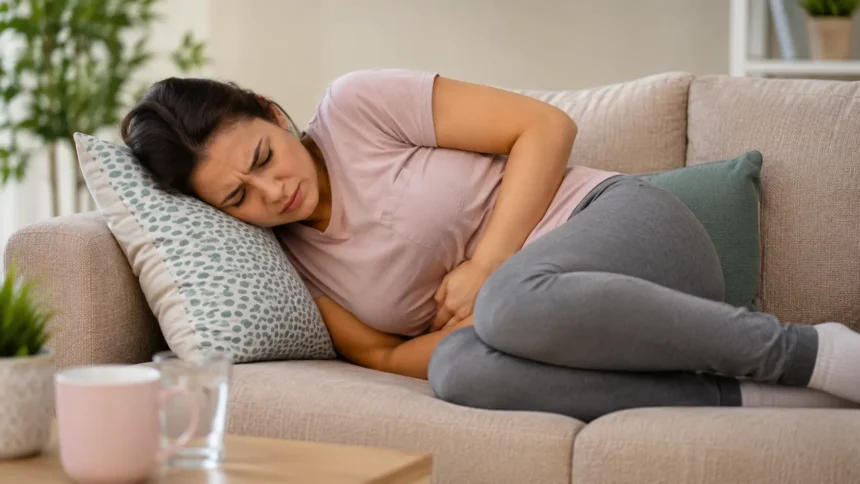
Cramps but No Period? 10 Possible Causes Explained
Feeling familiar period-like cramps and then realizing your period has not arrived can be confusing, especially when your cycle is normally predictable. Lower abdominal cramping without menstrual bleeding can happen for many reasons, ranging from normal hormonal changes to conditions that deserve medical attention. The location, timing, severity, and duration of the pain can provide important clues about what may be happening. Other symptoms, such as nausea, bloating, vaginal discharge, breast tenderness, urinary changes, or a missed period, can also help narrow the possibilities. In many cases, cramps without a period are temporary and harmless. However, persistent or severe pelvic pain should never simply be assumed to be menstrual.
The menstrual cycle involves much more than the days when bleeding occurs, which explains why cramping can happen at other times of the month. Hormone fluctuations influence the uterus, ovaries, digestive system, pelvic muscles, and even bowel habits throughout the cycle. Some people experience noticeable ovulation pain, while others develop cramping when hormone levels change before a delayed period. Pregnancy can also produce sensations that feel surprisingly similar to premenstrual cramps. Medical conditions affecting reproductive organs may create recurring pelvic discomfort even when menstruation is absent. Understanding the possible causes can help you decide whether monitoring your symptoms, taking a pregnancy test, or speaking with a healthcare professional is appropriate.
Why You Can Have Cramps Without Getting Your Period
Period cramps typically develop when the uterus contracts as its lining begins to shed, but uterine contractions are not the only source of pelvic discomfort. Muscles, ligaments, ovaries, bowel loops, the bladder, and surrounding tissues occupy the same relatively small area of the lower abdomen. Pain originating from one structure can therefore feel very similar to menstrual cramps arising from another. Hormonal changes can also alter how sensitive the nervous system becomes to pressure and movement within the pelvis. This is why abdominal cramps without a period do not automatically indicate a problem with menstruation itself. Looking beyond the uterus can reveal several other possible explanations for the discomfort.
Timing is one of the most useful clues when trying to understand cramps but no period. Pain occurring approximately halfway between periods may suggest ovulation, while cramping around the expected period date could accompany pregnancy, hormonal changes, or a delayed menstrual cycle. Symptoms that consistently worsen before or during menstruation may point toward conditions such as endometriosis or adenomyosis. Sudden severe pain on only one side deserves more attention because ovarian problems can sometimes produce this pattern. Keeping track of when symptoms begin and how long they continue may reveal patterns that are difficult to recognize from memory alone. A menstrual cycle tracker can therefore provide useful information when discussing symptoms with a healthcare professional.
The character of the pain matters as much as its timing because pelvic discomfort can present in several different ways. Some people describe a dull, heavy pressure similar to ordinary menstrual cramps, while others experience sharp, stabbing, pulling, burning, or intermittent sensations. Mild cramping lasting a few hours may be very different clinically from persistent pelvic pain that interferes with sleep, work, exercise, or daily activities. Pain that spreads into the back, thighs, rectum, or groin may provide additional diagnostic clues. Associated symptoms such as fever, vomiting, unusual vaginal discharge, painful urination, or heavy bleeding also change the level of concern. Severe or rapidly worsening symptoms deserve prompt medical evaluation rather than prolonged self-monitoring.
Cycle changes themselves are common and do not necessarily mean something is wrong. Stress, illness, sleep disruption, significant changes in exercise, weight fluctuations, travel, and hormonal medications can occasionally shift the timing of ovulation and menstruation. When ovulation happens later than expected, the next period usually occurs later too, creating several days when premenstrual-type symptoms may appear without bleeding. Someone may therefore experience bloating, breast tenderness, mood changes, lower back pain, and cramping while still waiting for their period. However, repeatedly irregular periods can sometimes indicate an underlying hormonal or reproductive issue. Persistent cycle changes are worth discussing with a clinician, particularly when accompanied by new or worsening pelvic pain.
It is also important to remember that symptoms alone cannot reliably identify every cause of pelvic cramping. Pregnancy, ovarian cysts, endometriosis, digestive problems, and pelvic infections can sometimes produce overlapping symptoms that make self-diagnosis difficult. Even two people with the same condition may experience very different pain patterns or symptom intensity. For this reason, the goal of understanding possible causes is not to diagnose yourself but to recognize useful clues and potential warning signs. A healthcare professional may use your medical history, pregnancy testing, physical examination, laboratory testing, or imaging when appropriate. Seeking evaluation becomes particularly important when symptoms persist, repeatedly return, or become significantly different from your normal menstrual experience.
Causes 1 and 2: Ovulation and Early Pregnancy
Ovulation is one of the most common explanations for mild cramps when your period is not due yet. During ovulation, an ovary releases an egg from a developing follicle, and this process can sometimes cause temporary lower abdominal discomfort known as mittelschmerz. The pain commonly occurs around the middle of the menstrual cycle, although exact timing varies considerably depending on cycle length. Some people feel the discomfort mainly on one side, corresponding roughly with the ovary releasing an egg during that cycle. Ovulation cramps may feel dull and achy or briefly sharp, and they often disappear within several hours to a couple of days. Mild symptoms without other concerning signs generally do not require treatment.
Other changes occurring around ovulation can make the timing easier to recognize. Cervical mucus may become clearer, wetter, and more slippery as estrogen levels rise before ovulation, while some people notice mild bloating or increased breast sensitivity. Basal body temperature generally rises slightly after ovulation due to increasing progesterone, although accurately interpreting temperature patterns requires consistent daily tracking. Not everyone experiences noticeable ovulation pain, and some people feel it only during certain cycles. If mid-cycle pain suddenly becomes severe, lasts longer than usual, or occurs with dizziness or vomiting, assuming it is routine ovulation may be unsafe. Conditions involving the ovaries can produce similar one-sided pain and sometimes require urgent evaluation.
Early pregnancy is another important possibility when menstrual-like cramps occur around the time a period is expected but bleeding never begins. Hormonal changes and adjustments in the uterus during very early pregnancy can produce mild pulling, pressure, or cramping sensations in the lower abdomen. Other early pregnancy symptoms may include breast tenderness, fatigue, nausea, increased urination, sensitivity to smells, or a missed period. However, many people experience few symptoms during the earliest weeks, while premenstrual symptoms can closely resemble pregnancy symptoms. Cramping by itself therefore cannot confirm whether conception has occurred. A home pregnancy test is generally a much more reliable way to investigate pregnancy when a period is late.
Pregnancy tests detect human chorionic gonadotropin, often called hCG, which begins increasing after implantation. Testing too early can sometimes produce a negative result even when pregnancy has occurred because hormone levels may not yet be high enough for detection. If a test is negative but menstruation still does not begin, repeating the test according to the manufacturer’s directions after a short interval may provide a clearer answer. Testing first-morning urine can sometimes help when hCG concentrations are still relatively low. Anyone taking fertility medication containing hCG should follow medical guidance because certain treatments can affect pregnancy-test interpretation. Persistent uncertainty about pregnancy can also be resolved through evaluation by a healthcare professional.
Although mild cramping can occur during an uncomplicated early pregnancy, certain pain patterns require urgent medical attention. Severe lower abdominal pain, particularly pain concentrated on one side, can occasionally occur with an ectopic pregnancy in which pregnancy develops outside the uterus. Warning signs may include shoulder-tip pain, dizziness, fainting, weakness, or vaginal bleeding, although symptoms can vary significantly. An ectopic pregnancy can become a medical emergency if internal bleeding develops and should never be managed through symptom monitoring alone. Anyone with a positive pregnancy test and significant pelvic pain should seek appropriate medical evaluation promptly. Severe pain, fainting, or symptoms suggesting significant internal bleeding warrant emergency care regardless of whether pregnancy has already been confirmed.
Causes 3 and 4: Hormonal Birth Control and Perimenopause
Hormonal contraception can sometimes explain both menstrual changes and cramping without a regular period. Birth control pills, hormonal intrauterine devices, implants, injections, patches, and vaginal rings alter reproductive hormone patterns in different ways. Depending on the method, periods may become lighter, less frequent, irregular, or stop altogether while occasional pelvic cramping continues. Symptoms can be particularly unpredictable during the first few months after starting or changing a contraceptive method. Missing doses or taking medication inconsistently can also contribute to breakthrough symptoms and altered bleeding patterns. Because contraceptive effectiveness varies with correct use and method, pregnancy should still be considered whenever it is realistically possible.
A hormonal IUD commonly makes periods lighter over time, and some users eventually experience little or no menstrual bleeding. Cramping may still occasionally occur because the uterus can contract even without producing a typical monthly period. Copper IUDs work differently because they contain no hormones and are more commonly associated with heavier bleeding or stronger menstrual cramps, particularly during the first several months. New severe pain after IUD placement should not automatically be attributed to expected adjustment symptoms. Persistent pelvic pain, fever, unusual discharge, or inability to feel previously detectable IUD strings may deserve professional assessment. Clinicians can determine whether placement, infection, pregnancy, or another pelvic condition needs to be considered.
Stopping hormonal contraception can also temporarily change cycle timing because the body’s natural reproductive hormone patterns need to resume. Ovulation may return relatively quickly for some people, while others experience irregular cycles before their menstrual pattern becomes predictable again. During this transition, symptoms such as cramping, spotting, breast tenderness, or premenstrual discomfort may occur at unfamiliar times. A late period following contraceptive changes may therefore reflect delayed ovulation rather than an underlying disease. Nevertheless, pregnancy can occur once fertility returns, sometimes before the first obvious natural menstrual period. Anyone experiencing a missed period after stopping contraception should consider pregnancy testing when pregnancy is possible rather than assuming hormones are solely responsible.
Perimenopause represents another hormonal reason for cramps with irregular or missing periods, particularly during the years leading up to menopause. During this transition, ovarian hormone production becomes less predictable and ovulation may occur inconsistently from one cycle to another. Periods can become shorter, longer, heavier, lighter, closer together, or farther apart, while symptoms such as cramps, breast tenderness, headaches, sleep problems, and hot flashes may occur. Some months may feel strongly premenstrual even when bleeding is delayed or skipped entirely. Perimenopause commonly begins in the forties but may begin earlier for some individuals. Because symptoms overlap with several reproductive conditions, age alone should not be used to explain every new pelvic symptom.
Changes attributed to perimenopause still deserve evaluation when they are unusually severe or substantially different from a person’s previous pattern. Very heavy bleeding, bleeding after sex, persistent pelvic pressure, progressively worsening pain, or symptoms of anemia should not simply be dismissed as hormonal aging. Likewise, going without periods unexpectedly at a relatively young age may require investigation for causes other than typical menopause transition. Pregnancy remains biologically possible during perimenopause while ovulation continues, even when cycles become irregular. Contraception may therefore still be necessary for people who wish to avoid pregnancy. Discussing substantial menstrual changes with a healthcare professional can help distinguish expected hormonal variation from conditions requiring further investigation.
Causes 5 and 6: Endometriosis and Adenomyosis
Endometriosis is an important possible cause when period-like cramps repeatedly occur before, during, or outside menstruation. The condition involves tissue similar to the lining of the uterus growing outside the uterine cavity, commonly affecting structures within the pelvis. These areas respond to hormonal signals and may contribute to inflammation, irritation, adhesions, and pain over time. Symptoms can include painful periods, chronic pelvic pain, discomfort during or after sex, painful bowel movements, pain with urination during menstruation, or difficulty becoming pregnant. Some people experience symptoms throughout much of the month rather than exclusively during menstrual bleeding. Others have relatively mild symptoms despite substantial endometriosis, making symptom severity an imperfect guide to the extent of disease.
Cramping without active menstrual bleeding can occur because endometriosis-related inflammation and pain sensitivity are not always limited to the days of a period. Pain may appear around ovulation, in the days leading up to menstruation, during bowel movements, or after certain physical activities. Some people describe deep aching or pressure, while others experience stabbing, burning, or radiating pain through the lower back and legs. Digestive symptoms such as bloating, constipation, diarrhea, or nausea may occur alongside pelvic pain and can sometimes be mistaken for an intestinal condition. Recurring symptoms that follow a recognizable menstrual pattern can provide useful information for clinicians. Keeping a detailed symptom diary may make those patterns easier to identify during medical assessment.
Endometriosis cannot be reliably diagnosed simply by deciding whether symptoms sound typical because its presentation varies widely. A healthcare professional may begin with a detailed medical history and pelvic examination before determining whether imaging or specialist assessment would be helpful. Ultrasound can identify certain problems such as ovarian endometriomas but does not necessarily rule out all forms of endometriosis when results appear normal. Treatment depends on factors such as symptom severity, pregnancy plans, age, previous treatments, and personal preferences. Options may involve pain management, hormonal therapy, surgery, or a combination of approaches depending on individual circumstances. People experiencing significant recurrent pelvic pain deserve evaluation rather than being expected to tolerate symptoms indefinitely.
Adenomyosis is another condition that can produce strong menstrual-type cramps, pelvic aching, and a sensation of pressure or heaviness. In adenomyosis, tissue resembling the uterine lining is located within the muscular wall of the uterus rather than outside the uterus as in endometriosis. The uterine wall can become enlarged or tender, and some people experience increasingly painful periods or heavy menstrual bleeding. Pelvic pain may also occur before bleeding starts or continue after a period has finished. Because the symptoms overlap with fibroids and endometriosis, distinguishing these conditions based on symptoms alone can be difficult. Ultrasound or magnetic resonance imaging may sometimes contribute useful information when adenomyosis is suspected.
Treatment for adenomyosis is individualized according to symptoms, reproductive plans, overall health, and the degree to which the condition affects daily life. Some people obtain adequate relief with medications aimed at controlling pain or menstrual bleeding, while hormonal approaches may help reduce symptoms for others. More intensive treatment can be considered when symptoms remain severe despite conservative management. Pelvic pain affecting work, sleep, physical activity, sexual health, or emotional well-being is clinically meaningful even when it occurs intermittently. Anyone who notices progressively worsening cramps over months or years should mention this pattern during medical evaluation. Recognizing long-term changes can help clinicians distinguish chronic reproductive conditions from occasional fluctuations in an otherwise normal menstrual cycle.
Causes 7 and 8: Ovarian Cysts and Uterine Fibroids
Ovarian cysts are fluid-filled or partly solid structures that develop on or within an ovary, and many occur as part of normal ovarian function. Functional cysts often form during the menstrual cycle and disappear naturally without causing noticeable symptoms. When symptoms do occur, a cyst can create dull pelvic pressure, bloating, fullness, or pain that may feel similar to menstrual cramps. Discomfort may occur mainly on one side depending on which ovary is affected. Certain cysts can also cause pain during sex or changes in menstrual timing. Because ovarian cysts vary widely in size and type, symptoms alone cannot determine whether a particular cyst is harmless or requires further assessment.
Most simple ovarian cysts are not emergencies, but sudden changes in pain deserve attention. A cyst can occasionally rupture, causing abrupt pelvic pain that ranges from mild to severe depending on the cyst and amount of associated bleeding. An enlarged ovary can also twist around supporting tissues in a condition called ovarian torsion, potentially reducing its blood supply. Torsion typically causes sudden, significant one-sided pelvic or abdominal pain and is often accompanied by nausea or vomiting. This situation requires urgent medical assessment because timely treatment may be necessary to protect ovarian function. Severe unexplained pelvic pain should therefore not be managed at home simply because ovarian cysts are often benign.
When ovarian symptoms are persistent, clinicians may use pelvic ultrasound to examine the ovaries and surrounding structures. Imaging can help determine characteristics such as cyst size, appearance, location, and whether a cyst contains mainly fluid or more complex material. Management can range from observation with follow-up imaging to treatment or surgery depending on symptoms, age, appearance, pregnancy status, and other risk factors. Premenopausal people commonly develop functional cysts that resolve naturally, so discovering a cyst does not automatically mean something dangerous has been found. However, persistent or unusual ovarian masses deserve individualized medical assessment rather than assumptions based on age alone. Follow-up recommendations should be based on the specific imaging findings and clinical situation.
Uterine fibroids provide another possible explanation for cramping, pelvic pressure, and changes in menstrual bleeding. Fibroids are noncancerous growths that develop from muscle and connective tissue within or around the uterus. Some remain very small and produce no symptoms, while others become large enough to affect menstruation or press on nearby organs. Common symptoms can include heavy periods, prolonged bleeding, pelvic fullness, frequent urination, constipation, lower back discomfort, and menstrual-type cramps. Depending on their size and location, fibroids can occasionally cause pelvic discomfort even when a person is not actively menstruating. Their presence alone, however, does not prove they are responsible for every episode of pelvic pain.
Fibroid treatment is determined largely by how much symptoms interfere with health and everyday functioning rather than by the simple presence of a fibroid. Someone with small, symptom-free fibroids may require only observation, while significant bleeding or pelvic pressure may justify medical or procedural treatment. Available options vary according to fibroid size, number, location, age, fertility goals, and individual medical circumstances. New abdominal enlargement, increasing pelvic pressure, urinary problems, or very heavy menstrual bleeding should be discussed with a clinician. Blood tests may also be appropriate when repeated heavy periods raise concern about iron-deficiency anemia. A proper assessment can help distinguish fibroids from adenomyosis, ovarian conditions, pregnancy-related changes, and other causes of pelvic symptoms.
Causes 9 and 10: Digestive Problems and Pelvic Inflammatory Disease
Digestive problems frequently mimic menstrual cramps because the intestines sit close to the reproductive organs within the abdomen and pelvis. Constipation, trapped gas, food intolerance, and intestinal spasms can all cause pressure or aching that feels remarkably similar to uterine cramping. The discomfort may improve after passing stool or gas, although that pattern is not universal. Bloating, changes in bowel frequency, hard stools, diarrhea, or abdominal rumbling can make a digestive cause more likely. Hormonal fluctuations around menstruation can also influence bowel activity, meaning gastrointestinal symptoms and menstrual symptoms sometimes overlap. Paying attention to both bowel patterns and cycle timing may help determine whether digestive factors contribute to recurring cramps.
Irritable bowel syndrome, commonly abbreviated as IBS, can produce recurring abdominal pain along with constipation, diarrhea, or alternating bowel patterns. Symptoms may worsen with certain foods, stress, sleep disruption, or hormonal changes, and some people notice stronger symptoms around their menstrual cycle. IBS does not cause visible structural damage to the bowel, but its symptoms can still significantly affect quality of life. Persistent abdominal pain should not automatically be labeled IBS without evaluation, particularly when the symptoms are new. Unintentional weight loss, rectal bleeding, persistent fever, nighttime symptoms, or unexplained anemia warrant medical investigation. These features can indicate that a different gastrointestinal condition needs to be considered.
Simple constipation can also cause surprisingly strong lower abdominal cramps and pelvic pressure. Stool accumulating in the colon can produce bloating, fullness, straining, and discomfort that may be mistaken for an approaching period. Drinking adequate fluids, consuming appropriate dietary fiber, maintaining regular activity, and establishing consistent bathroom habits may support normal bowel function for many adults. However, abruptly increasing fiber can worsen bloating for some people, particularly when fluid intake remains inadequate. Severe abdominal swelling, repeated vomiting, inability to pass stool or gas, or intense worsening pain needs prompt medical assessment. Those symptoms may indicate something more serious than routine constipation and should not be managed solely with home remedies.
Pelvic inflammatory disease, or PID, is a different and potentially serious explanation for pelvic cramps without menstrual bleeding. PID occurs when infection and inflammation affect the upper reproductive tract, which may include the uterus, fallopian tubes, or surrounding tissues. Symptoms can include lower abdominal or pelvic pain, abnormal vaginal discharge, bleeding between periods, pain during sex, painful urination, or fever. Some people develop relatively mild symptoms, meaning the condition is not always obvious at first. Untreated PID can lead to complications affecting reproductive health, so timely diagnosis and appropriate antibiotic treatment are important. Anyone with pelvic pain and possible infection symptoms should seek medical assessment rather than trying to determine the cause from symptoms alone.
Urinary and bladder problems should also remain on the wider list of possibilities even though they are not one of the ten primary causes discussed here. A urinary tract infection can cause pressure or discomfort low in the abdomen, particularly when accompanied by burning urination, frequent urination, or a strong urge to urinate. Bladder pain conditions may produce recurring pelvic pressure that improves or changes after urination. Kidney infections can cause more serious symptoms, including fever, chills, nausea, and pain extending toward the back or side. Urinary symptoms combined with pelvic cramping therefore deserve attention, especially when they persist. Testing a urine sample can often help clinicians determine whether infection or another urinary problem should be considered.
When Cramps but No Period Need Medical Attention
Occasional mild cramps that resolve quickly may not require urgent medical care, particularly when they occur around ovulation or during a temporary cycle change. The situation becomes more concerning when pain is severe, rapidly worsening, persistent, or substantially different from your usual menstrual cramps. Pain that prevents normal walking, sleeping, working, or daily activity deserves professional assessment. Repeated episodes occurring over several cycles should also be discussed with a healthcare professional even when each episode eventually disappears. Chronic pelvic pain can result from several reproductive, gastrointestinal, urinary, or musculoskeletal conditions. Identifying the pattern early may make it easier to determine what evaluations or treatments are appropriate.
Certain symptoms accompanying cramps require particularly prompt attention. Severe one-sided pelvic pain with nausea or vomiting may occur with ovarian torsion or another acute ovarian problem. Fever, foul-smelling or unusual vaginal discharge, and worsening pelvic tenderness can suggest infection and should be medically evaluated. Significant bleeding, weakness, dizziness, or fainting can indicate substantial blood loss or another urgent condition. Pregnancy introduces additional concerns because significant pelvic pain can occasionally be associated with ectopic pregnancy or other pregnancy complications. When severe symptoms are present, waiting for the next menstrual period to see whether the problem resolves may create unnecessary risk.
A late period combined with pelvic cramping is a good reason to consider pregnancy testing whenever pregnancy is biologically possible. If the test is positive and pain is mild, contacting an appropriate healthcare provider can help determine the next steps for routine pregnancy care. If the test is positive and pain becomes severe, one-sided, or associated with bleeding, dizziness, weakness, shoulder pain, or fainting, urgent assessment is appropriate. A negative test does not always exclude a very early pregnancy if testing occurred before hormone levels became detectable. Repeating testing according to test instructions may therefore be useful when menstruation remains absent. Persistent symptoms deserve medical evaluation regardless of repeated home-test results.
New symptoms after menopause also warrant careful evaluation because menstrual-cycle explanations are no longer applicable after menopause has been established. Pelvic pain or vaginal bleeding occurring after menopause should be discussed with a healthcare professional rather than assumed to represent a harmless hormonal fluctuation. Likewise, adolescents with extremely severe cramps, adults experiencing dramatically worsening pain, or anyone with a strong family history of relevant reproductive conditions may benefit from earlier assessment. Healthcare decisions should consider the individual’s age, medical history, pregnancy possibility, medications, and previous menstrual pattern. No single symptom checklist can account for every situation. Changes from your own normal pattern often provide some of the most useful information.
Emergency care is appropriate when cramps occur alongside collapse, fainting, severe weakness, intense sudden pain, uncontrolled vomiting, significant vaginal bleeding, or signs of severe illness. These symptoms can occur with conditions that require rapid diagnosis and treatment rather than a routine appointment. People sometimes delay care because pelvic pain resembles cramps they have experienced before, but dramatic changes in intensity or associated symptoms should not be ignored. Trusting that something feels unusually severe is reasonable even when the exact cause is uncertain. Emergency clinicians can evaluate potentially dangerous causes while providing appropriate pain and supportive care. Seeking urgent treatment does not mean the condition is necessarily serious; it means serious possibilities need to be excluded safely.
What to Do When You Have Cramps but No Period
Start by considering where you are in your menstrual cycle and whether your period is actually late. Cycle lengths naturally vary, so being a day or two beyond an expected date does not always represent a meaningful missed period. Record the date the cramps started, where they are located, how intense they feel, and whether the pain remains constant or comes and goes. Note accompanying symptoms such as bloating, bowel changes, nausea, vaginal discharge, breast tenderness, spotting, urinary symptoms, or fever. This information can reveal patterns over several hours or days. It can also provide useful details if you eventually need to discuss the problem with a healthcare professional.
When pregnancy is possible, taking a home pregnancy test is generally more useful than trying to distinguish pregnancy cramps from period cramps based on symptoms. Follow the instructions included with the specific test because timing and interpretation vary between products. If the result is negative but your period remains absent, repeating the test later may be appropriate, particularly if the first test was taken very early. A positive result accompanied by substantial pelvic pain should prompt medical advice. Severe pain, fainting, significant bleeding, or other emergency symptoms require urgent assessment rather than repeated testing at home. Pregnancy status is especially important because it changes the possible causes clinicians need to consider.
For mild cramps without warning signs, simple supportive measures may provide temporary relief while you monitor symptoms. Gentle movement, adequate hydration, sufficient sleep, and warmth applied to the lower abdomen can feel soothing for some people. Avoid repeatedly pressing or massaging an area that is acutely or intensely painful because severe unexplained abdominal pain should be evaluated instead. Over-the-counter pain medicines may help some adults, but suitability depends on medical conditions, allergies, medications, pregnancy possibility, and other individual factors. Following labeled instructions and professional advice is safer than exceeding recommended doses. Anyone unsure which medication is appropriate should ask a pharmacist or healthcare professional before taking it.
If cramps keep returning, documenting symptoms for several cycles can be especially helpful. Record period dates, bleeding intensity, pain scores, bowel symptoms, urinary symptoms, sexual discomfort, medications, and anything that appears to trigger or relieve the pain. Patterns such as regular mid-cycle pain may suggest ovulation, while progressive menstrual pain could warrant evaluation for conditions such as endometriosis or adenomyosis. Persistent heavy bleeding and pressure may lead clinicians to investigate fibroids or other uterine causes. Recurrent one-sided pain may encourage evaluation of the ovaries. A symptom diary does not establish a diagnosis, but it can give healthcare professionals a clearer picture than trying to reconstruct several months of symptoms from memory.
Most importantly, avoid assuming that all pelvic pain is simply a variation of menstrual cramping. Reproductive organs share the pelvis with the bladder, bowel, nerves, muscles, and other structures, so several different systems can produce remarkably similar sensations. A clinician may need to consider gynecological, gastrointestinal, urinary, pregnancy-related, infectious, or musculoskeletal causes depending on your symptoms. Most episodes of mild cramping do not signal an emergency, but recurrent or disruptive symptoms deserve attention even when they seem manageable. Seeking medical advice is particularly worthwhile when pain interferes with normal life or changes substantially from your usual cycle. Understanding the cause can provide more useful relief than repeatedly treating unexplained cramps without knowing why they occur.
Cramps but No Period: The Bottom Line
Cramps without a period are common enough to have many possible explanations, and not every episode indicates a reproductive health problem. Ovulation can cause temporary mid-cycle pain, while pregnancy can produce mild cramping around the time a period would normally appear. Hormonal contraception and perimenopause can change both menstrual timing and the way pelvic symptoms are experienced. Digestive problems such as constipation or IBS may imitate uterine cramps because the bowel and reproductive organs occupy neighboring areas. These relatively common explanations are important to consider before assuming the worst. At the same time, symptoms that persist or become severe should not be dismissed simply because benign causes are possible.
Several gynecological conditions can also produce cramps when menstrual bleeding is absent. Endometriosis can cause pain at different points throughout the menstrual cycle, while adenomyosis may create chronic pelvic aching or pressure. Ovarian cysts can sometimes produce one-sided discomfort, and uterine fibroids may contribute to cramping, pressure, and menstrual changes. Pelvic inflammatory disease can cause pelvic pain with or without dramatic symptoms and requires appropriate medical treatment. Because these conditions can overlap considerably in how they feel, diagnosing them based only on pain location is unreliable. Medical assessment can help determine whether examination, pregnancy testing, laboratory testing, ultrasound, or another investigation is appropriate.
The circumstances surrounding the cramps often provide more useful information than the presence of pain alone. Consider when the pain began, whether your menstrual period is actually late, whether pregnancy is possible, and whether the discomfort resembles your usual cramps. Pay attention to whether pain is one-sided, sudden, progressively worsening, or connected with bowel movements, urination, sex, or physical activity. Additional symptoms such as fever, vomiting, abnormal discharge, heavy bleeding, dizziness, or fainting can significantly alter the urgency of the situation. Recording these details creates a clearer symptom history. That information can help both you and your healthcare professional understand what deserves further investigation.
Mild cramps that disappear without additional symptoms can often be monitored, especially when they correspond with ovulation or a minor cycle variation. Persistent pelvic pain, however, deserves more attention because repeated discomfort should not automatically become something you simply learn to tolerate. Conditions such as endometriosis can sometimes take time to identify because symptoms are normalized or mistaken for ordinary menstruation. Likewise, digestive and urinary disorders can go unrecognized when every episode of lower abdominal pain is attributed to reproductive hormones. Seeking evaluation does not mean assuming a serious diagnosis. It means giving persistent symptoms the opportunity to be properly understood and treated.
Ultimately, cramps but no period can mean anything from normal ovulation to pregnancy, hormonal changes, digestive issues, or a medical condition affecting the reproductive organs. The ten possible causes discussed here provide a useful starting point, but they cannot replace an individualized medical evaluation. Monitor mild symptoms, consider pregnancy testing when appropriate, and keep track of recurring patterns. Seek professional advice when pain continues, repeatedly returns, becomes unusually intense, or interferes with everyday activities. Sudden severe pelvic pain, significant bleeding, fainting, or serious symptoms during possible pregnancy require urgent medical attention. Paying attention to changes in your body without jumping to conclusions offers the most balanced approach to unexplained pelvic cramping.
Frequently Asked Questions
Why am I cramping like my period is coming but it never comes?
Hormone fluctuations, delayed ovulation, pregnancy, birth control, perimenopause, ovarian cysts, digestive problems, and several pelvic conditions can all cause period-like cramps without immediate bleeding. If your period is late and pregnancy is possible, consider taking a pregnancy test.
Can you have pregnancy cramps before a positive test?
Yes, mild cramping can occur during very early pregnancy, sometimes before a home test becomes positive. Because premenstrual symptoms can feel almost identical, pregnancy testing at the appropriate time is more reliable than judging symptoms alone.
How many days can you have cramps before your period?
Some people experience premenstrual cramping for a few days before bleeding begins, but patterns differ considerably between individuals. Cramps lasting much longer than your normal pattern, becoming progressively worse, or occurring repeatedly throughout the month should be discussed with a healthcare professional.
Can stress cause cramps and a late period?
Stress can affect hormonal signaling involved in ovulation, potentially delaying ovulation and therefore delaying the next menstrual period. Stress can also contribute to muscle tension and digestive symptoms that may feel like abdominal or pelvic cramps.
When should I worry about cramps but no period?
Seek prompt medical attention when cramps are severe, suddenly worsen, occur with fever, repeated vomiting, unusual vaginal discharge, significant bleeding, dizziness, or fainting. Significant one-sided pain during a possible or confirmed pregnancy also requires urgent evaluation because an ectopic pregnancy must be ruled out.